You are changing the Order #
Cancel Changes
Continue Editing
Need help choosing a vendor?
Tell us what you need — we'll match you in minutes.
Chat on WhatsApp
Explore
Businesses
Plates for rent
Find plates and dinnerware for your event on Rentlyz. Compare 9 verified plate rental suppliers offering 420 options — dinner plates, salad plates, dessert plates, charger plates, soup bowls, pasta bowls, Seder plates, and premium designer dinnerware — with real-time availability and instant quotes across Israel.
Compare Plates Rental Suppliers
9 Businesses
•
420 items
Variety of Items
Distance
Delivery Price
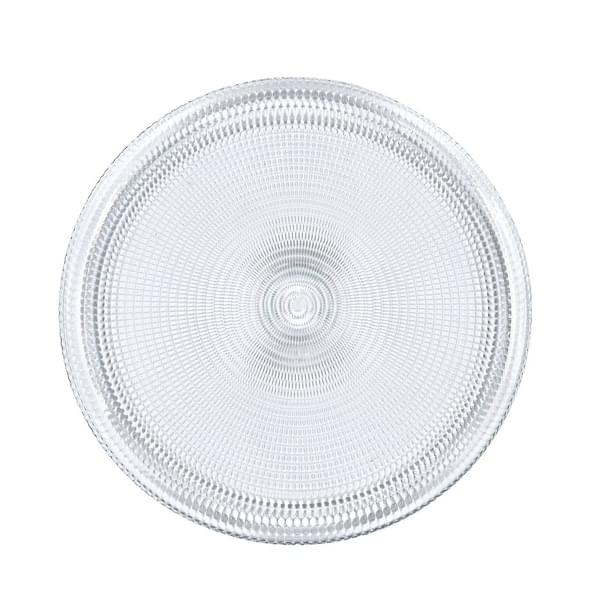
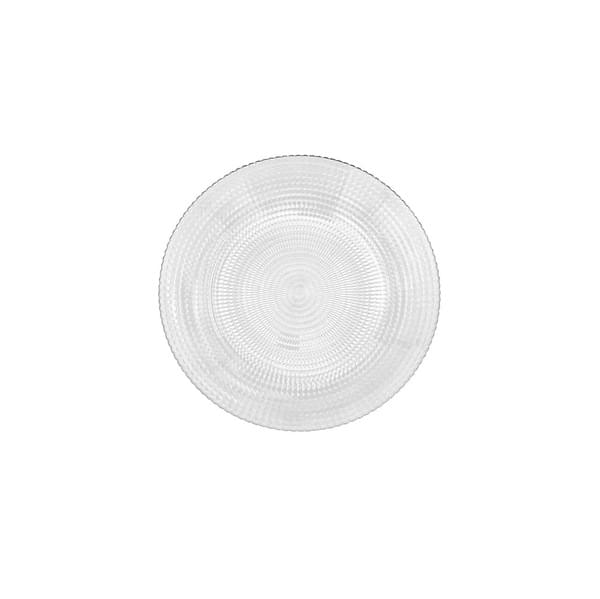
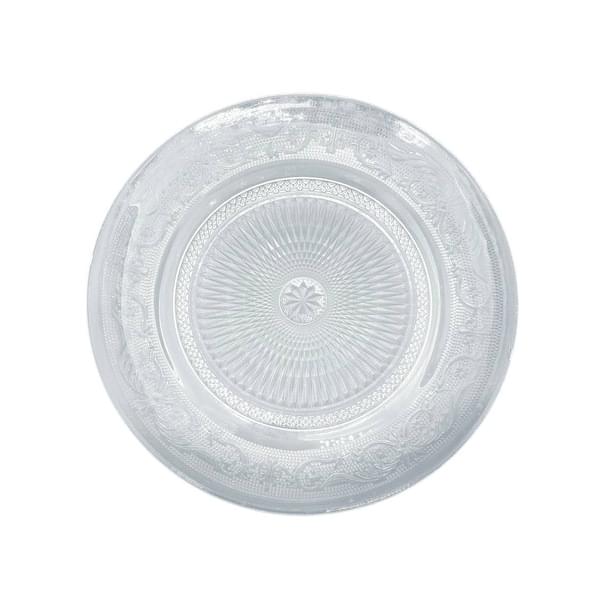
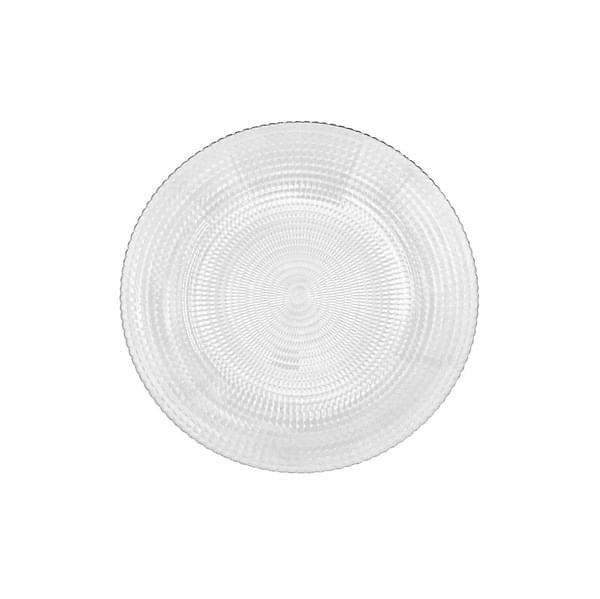
Harmonia
ציוד יוקרתי לאירועים במבחר סגנונות ועיצובים
122 items
•
₪1 - ₪12
Sorted by popularity

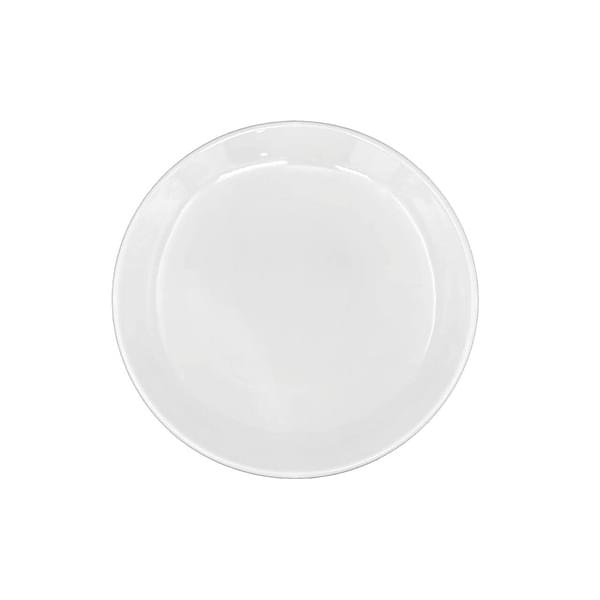
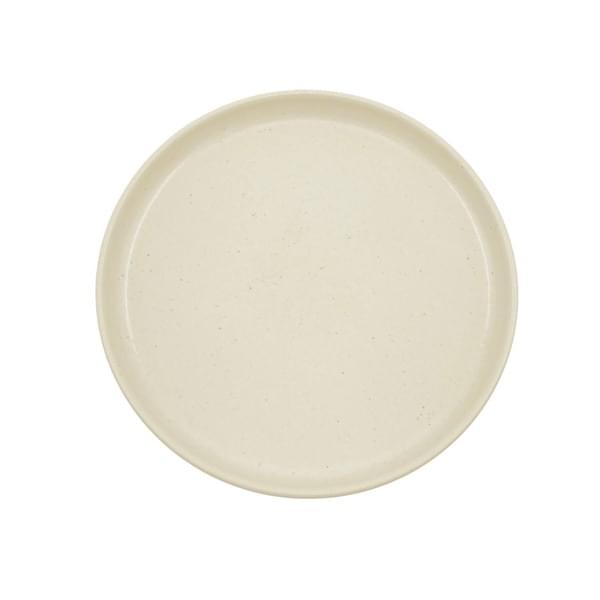

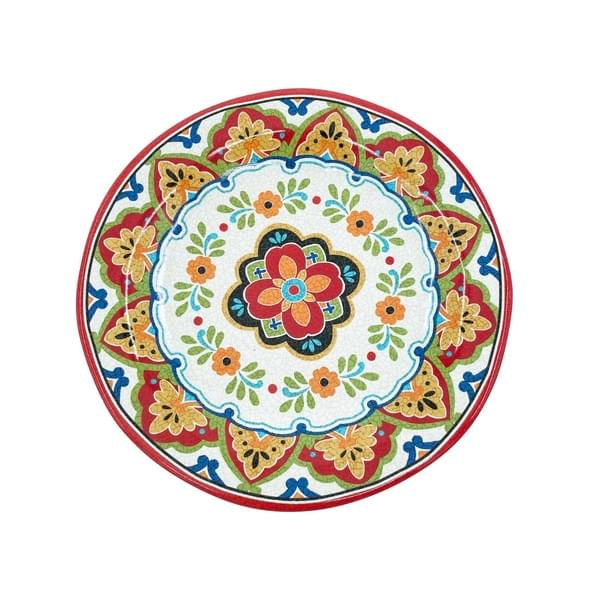
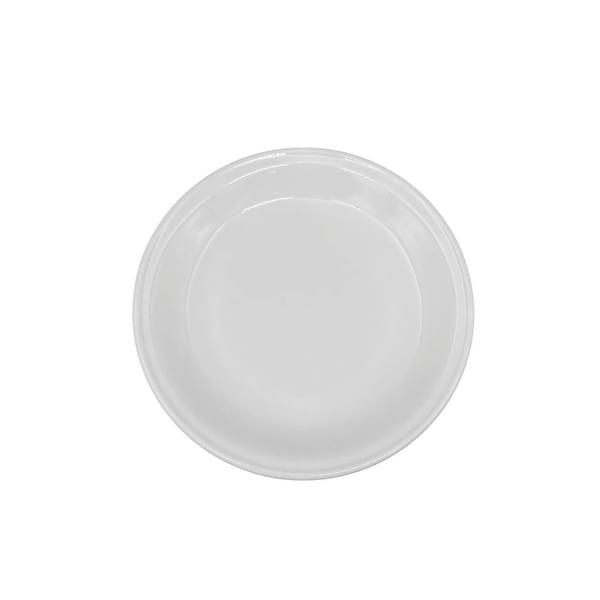
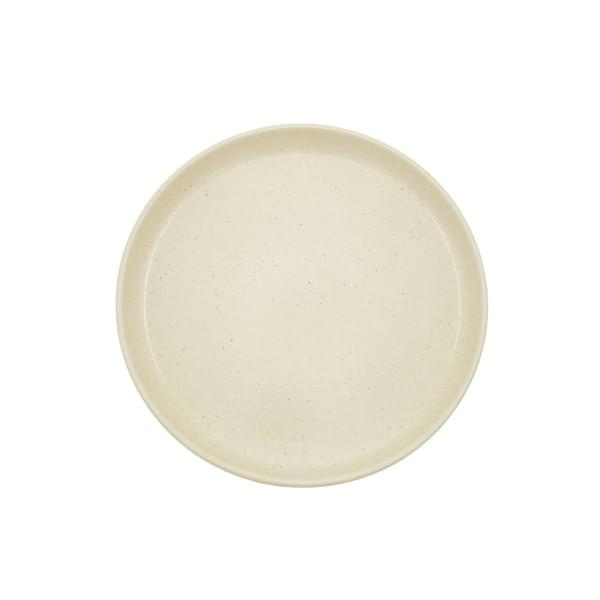
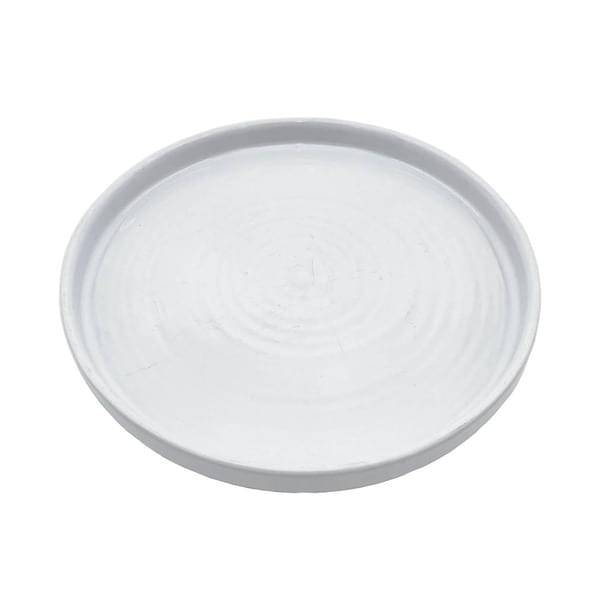
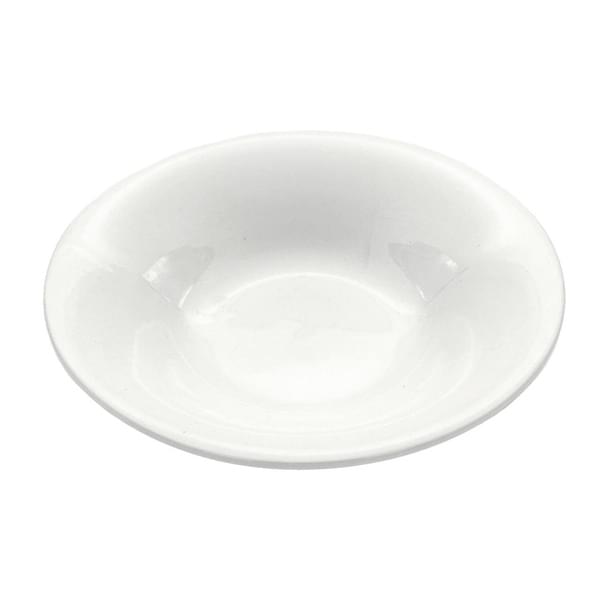
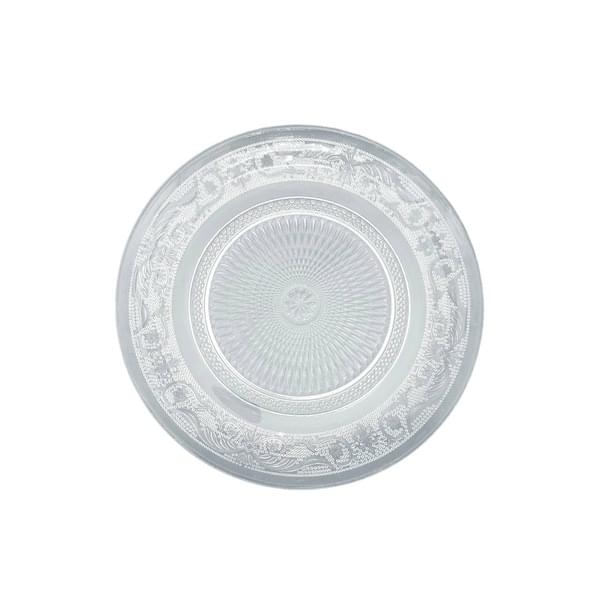
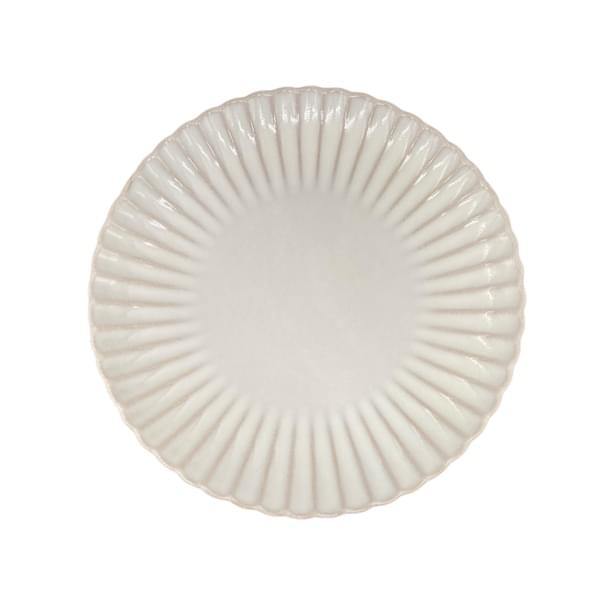
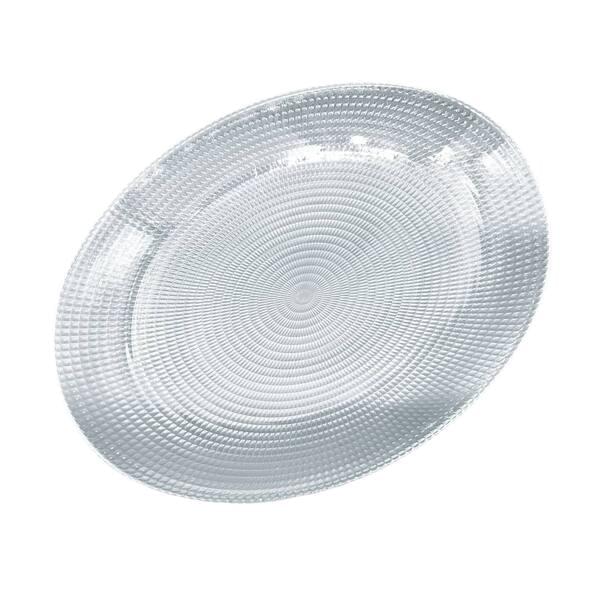


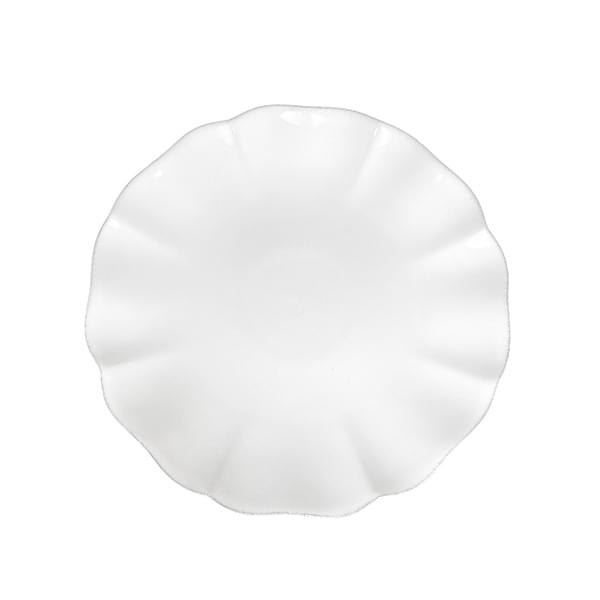
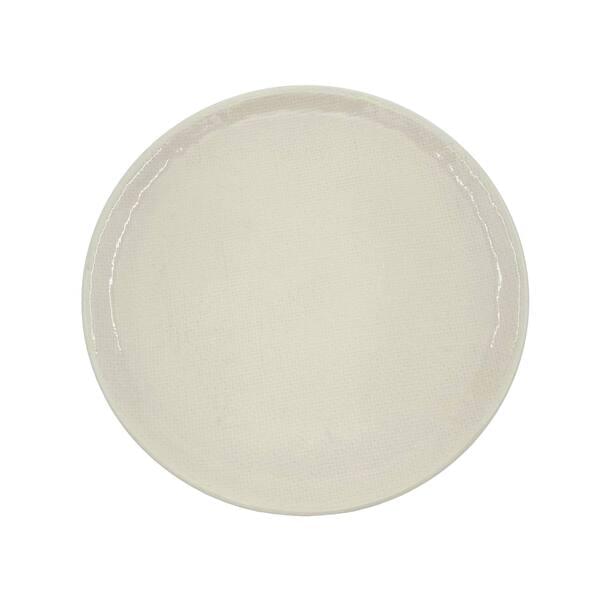
Tamir Aruim
ציוד כשר לאירועים
118 items
•
₪1 - ₪15
Sorted by popularity

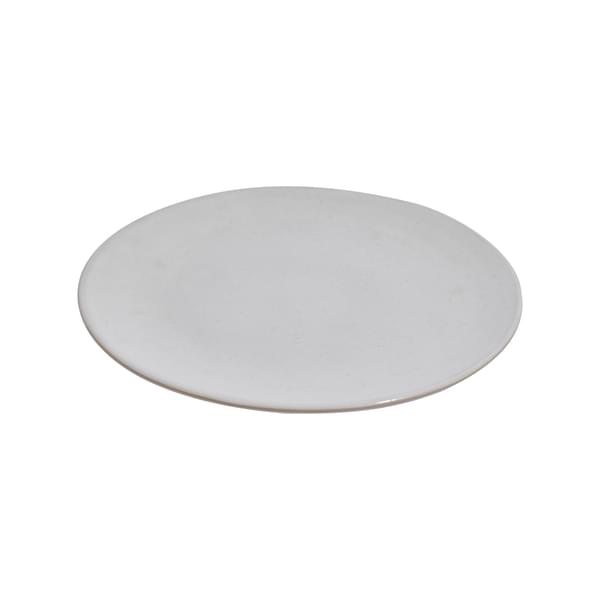
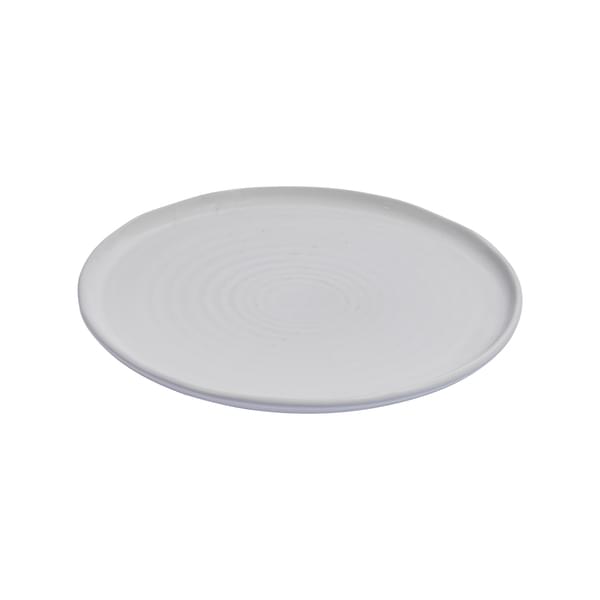
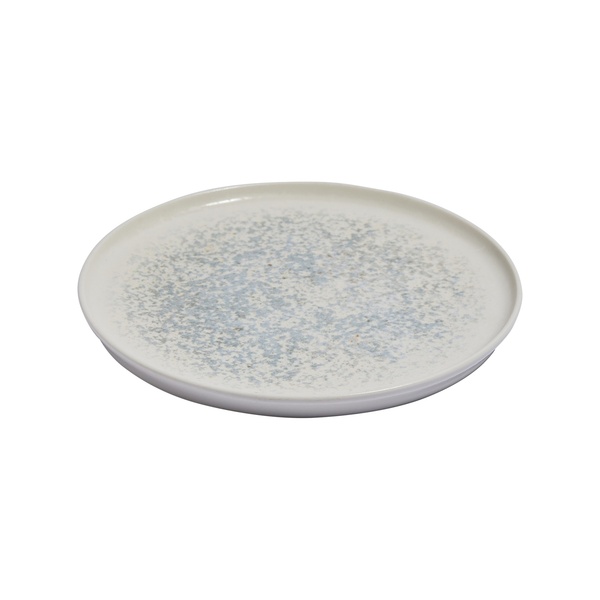
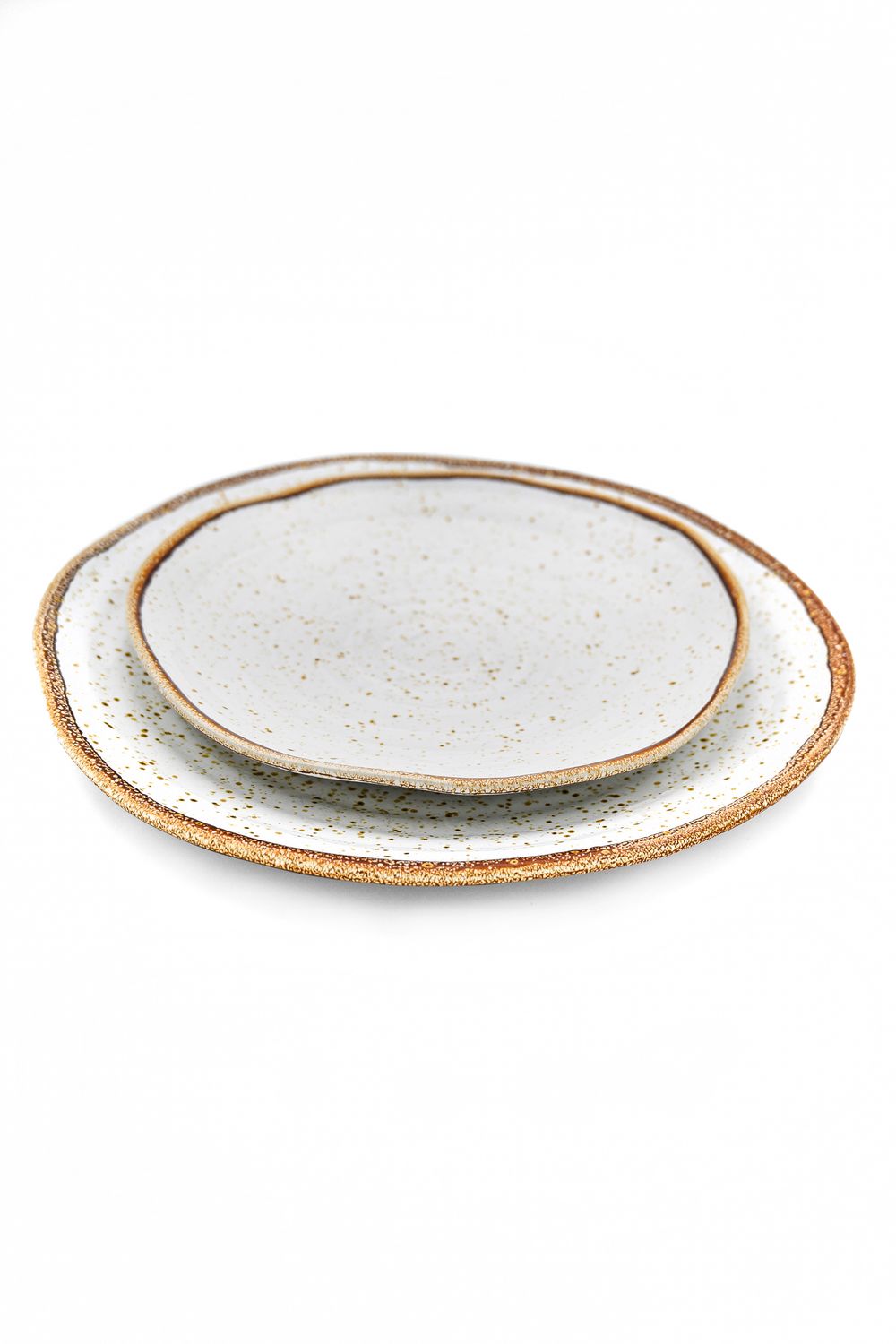



Galore Events
השכרת ציוד וכלים לאירועים
55 items
•
₪1.50 - ₪3
Sorted by popularity
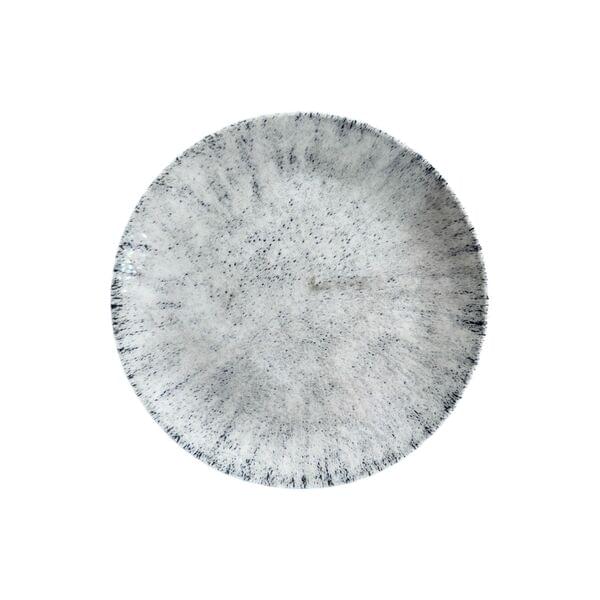
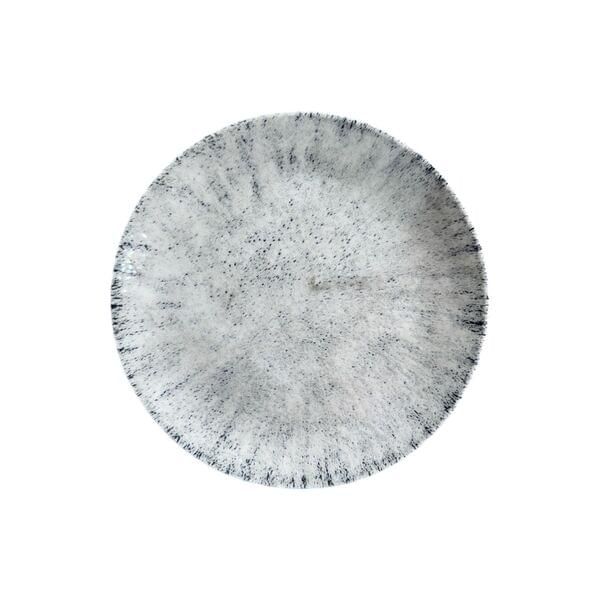
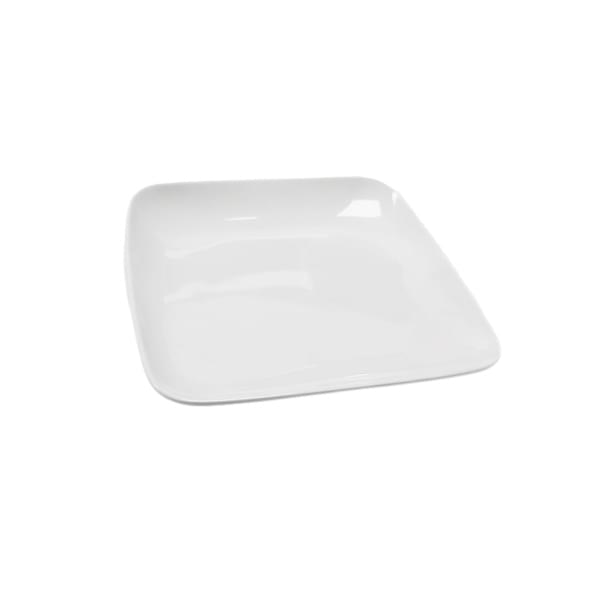
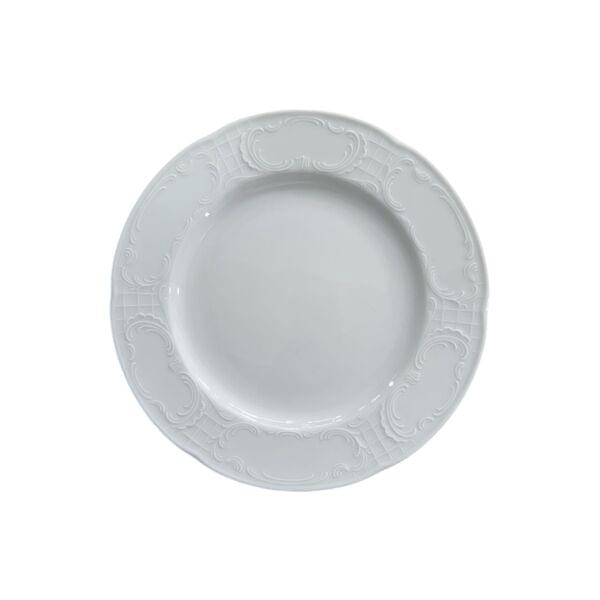
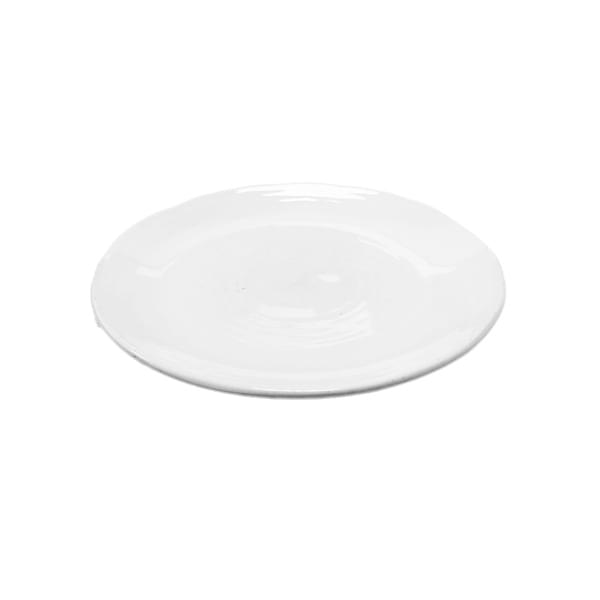
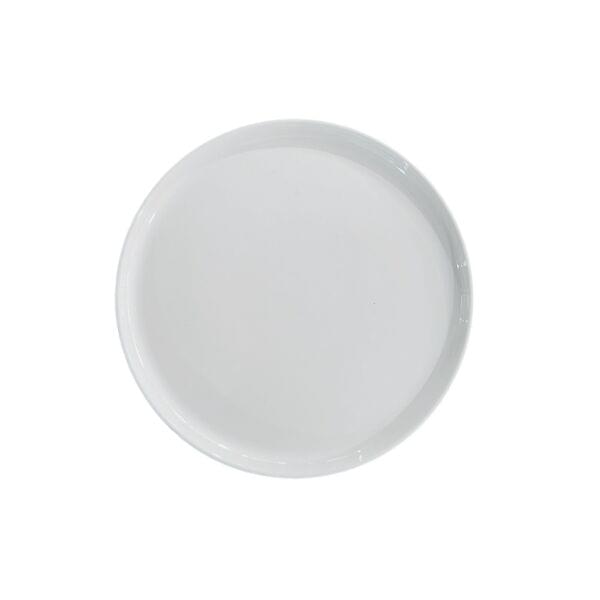

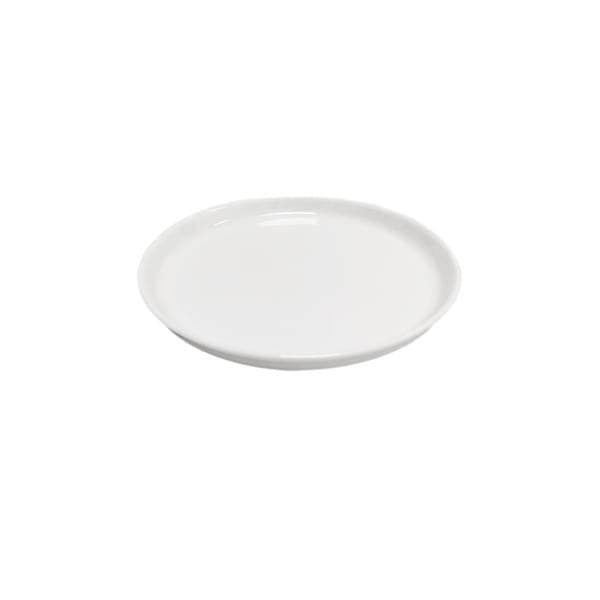
Mr-Mor
36 items
•
₪2 - ₪3
Sorted by popularity
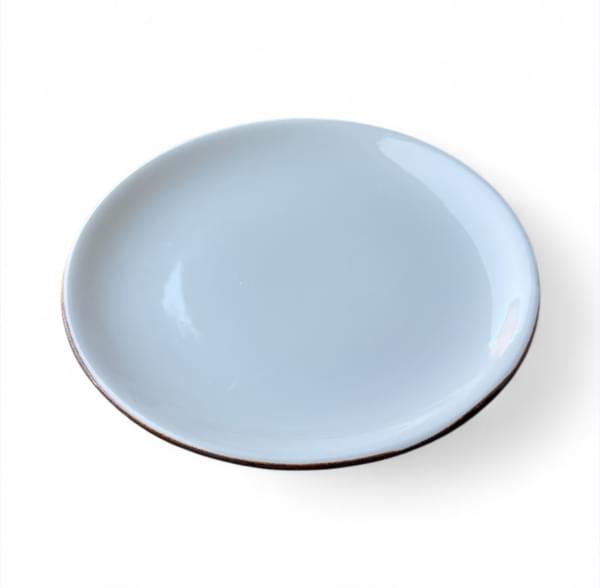



Karma
השכרת ציוד בוטיק לאירועים
26 items
•
₪1.20 - ₪2.20
Sorted by popularity

Kasaro
23 items
•
₪3 - ₪8
Sorted by popularity



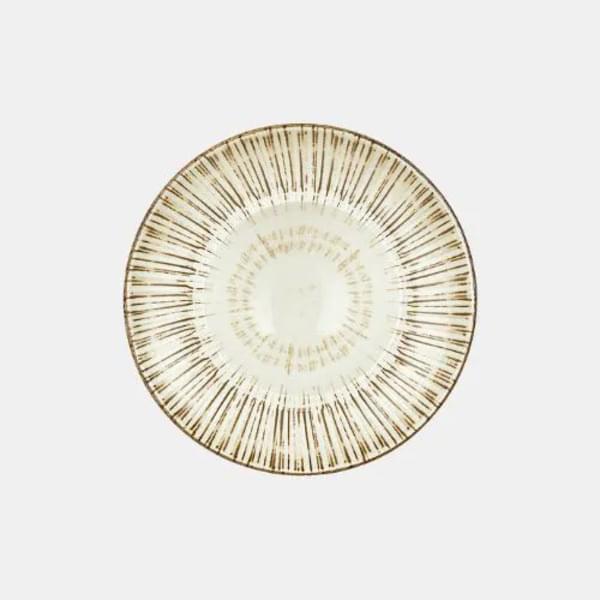
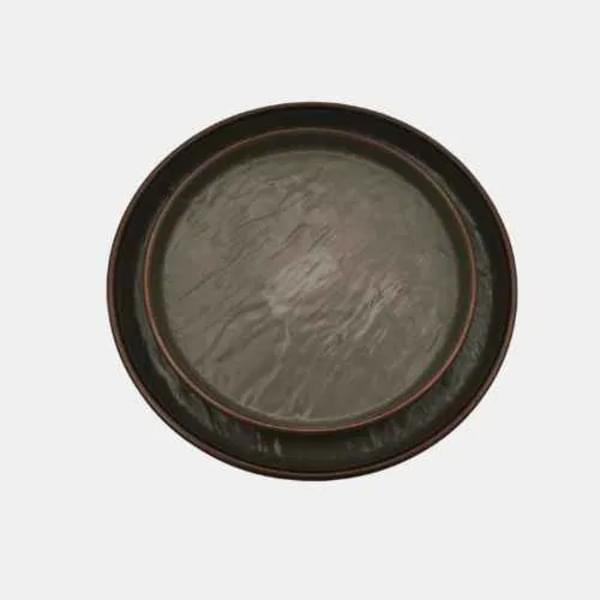
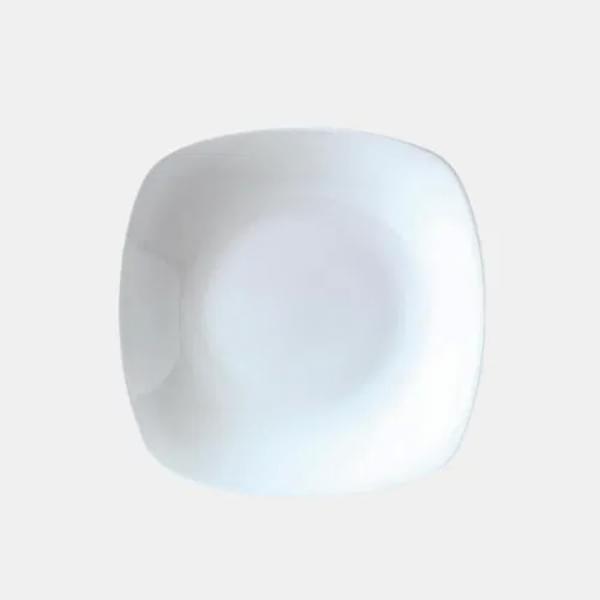
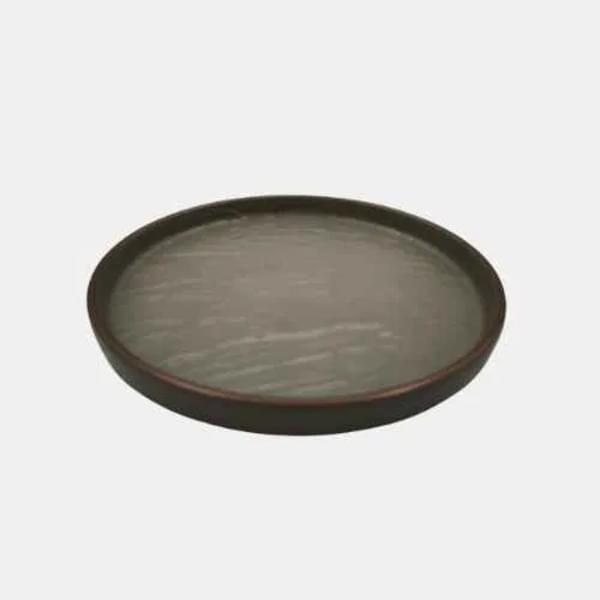


Anwar
השכרת ציוד לאירועים Rent your event
20 items
•
₪1 - ₪7
Sorted by popularity

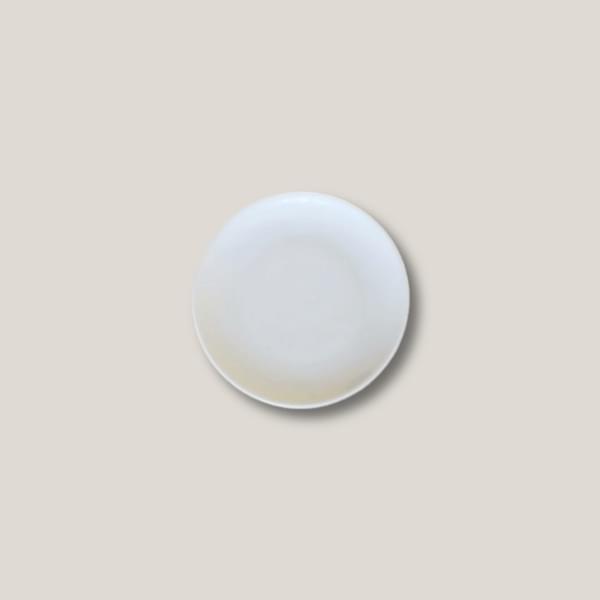
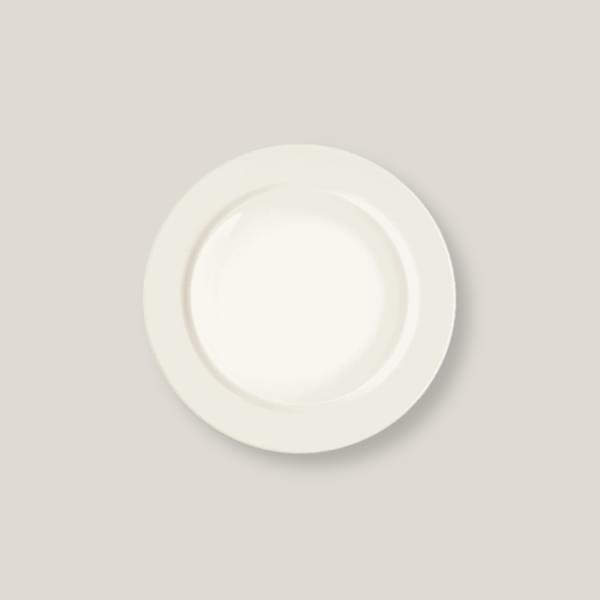

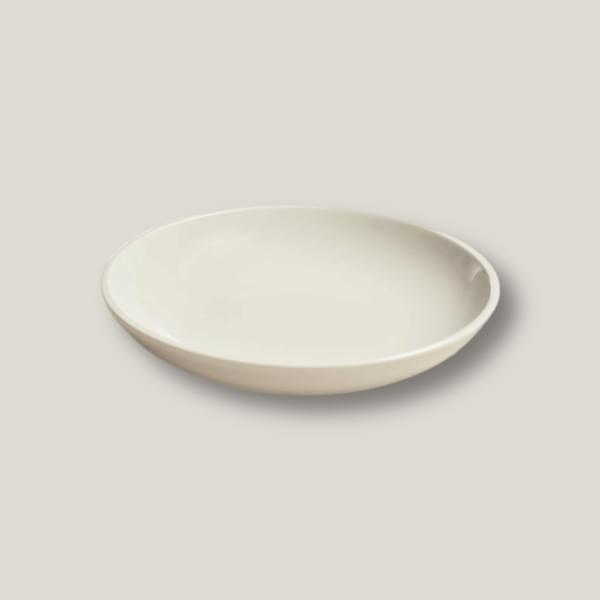
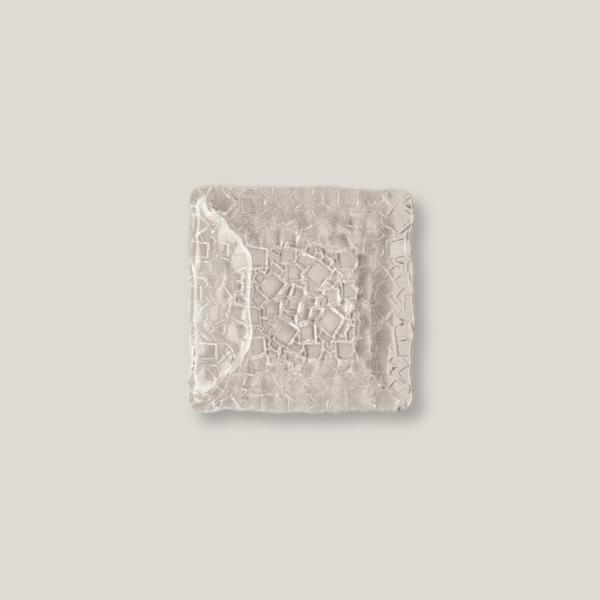
_20_.jpg)
.jpg)
_20_.jpg)
.jpg)
You Might Also Need
About Plates Rentals
Plates are the canvas of your event dining experience — they set the visual tone for every course and anchor the entire table setting. In Israel's event market — from luxury weddings in Tel Aviv and Herzliya to intimate Shabbat dinners in Jerusalem, corporate galas in Ramat Gan to beachfront celebrations in Eilat — the right plates make a statement. Whether you are hosting a wedding in Caesarea, a bar mitzvah in Petah Tikva, Sheva Brachot in Bnei Brak, a brit milah in Netanya, or a corporate dinner in Haifa, Rentlyz connects you with verified plate rental suppliers across the country.
Israeli event catering typically includes at least three courses, plus appetizers and dessert. Each course may require a different plate — charger plates for the base setting, dinner plates for the main course, salad plates for starters, soup bowls for first-course soups, pasta bowls for Italian-inspired menus, dessert plates for the final course, and bread plates for formal settings. For Passover Seders, specialized Seder plates (ke'arah) with designated compartments are available from select suppliers.
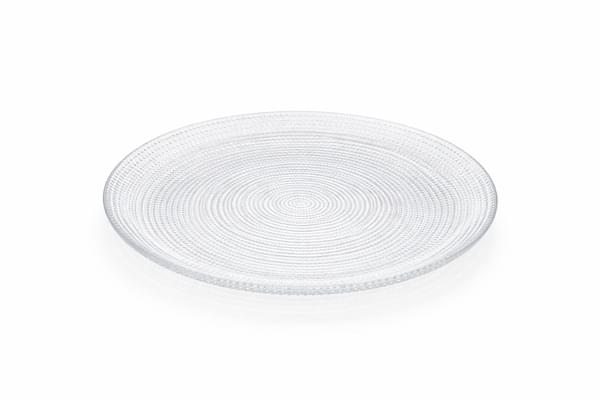
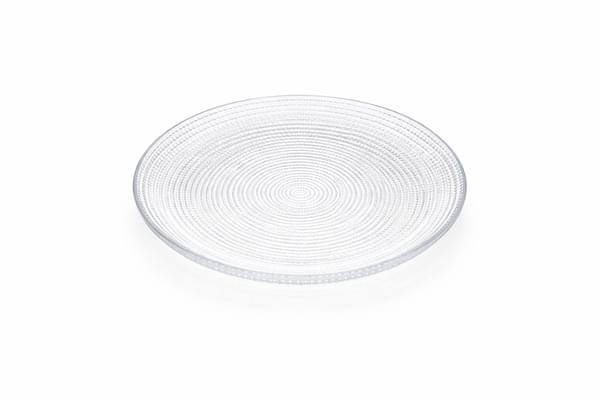
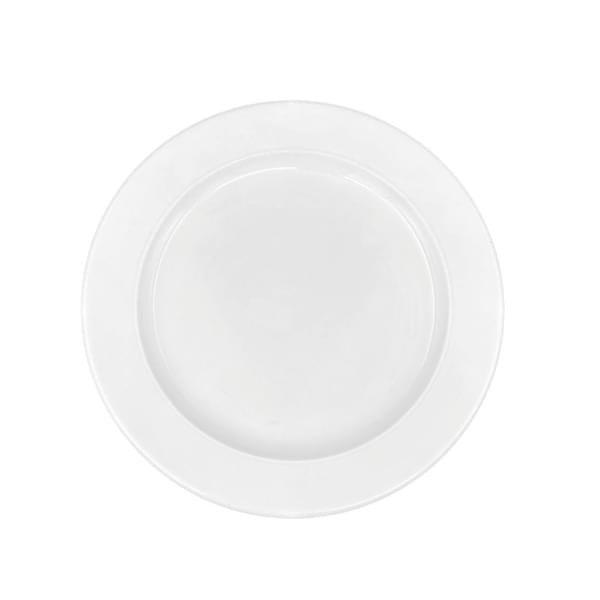
Popular choices in the Israeli market include classic white porcelain (the most versatile and widely rented), gold or silver-rimmed plates for formal weddings, matte black and earth-tone plates for modern minimalist events, colored and textured plates for themed celebrations, rustic stoneware for bohemian outdoor weddings, and bone china for ultra-premium affairs. Charger plates have become particularly popular in 2026 — gold, silver, glass, beaded, acrylic, and rustic wood chargers add a decorative layer beneath the dinner plate that elevates the entire table.
On Rentlyz, every supplier offers transparent pricing in Israeli Shekels. Compare per-unit prices across multiple verified suppliers, check delivery fees to any city in Israel, and review return and breakage policies. Bundle plates with silverware, glassware, and napkins for package discounts. For kosher events, several suppliers maintain separate meat and dairy plate inventory with kosher certification.
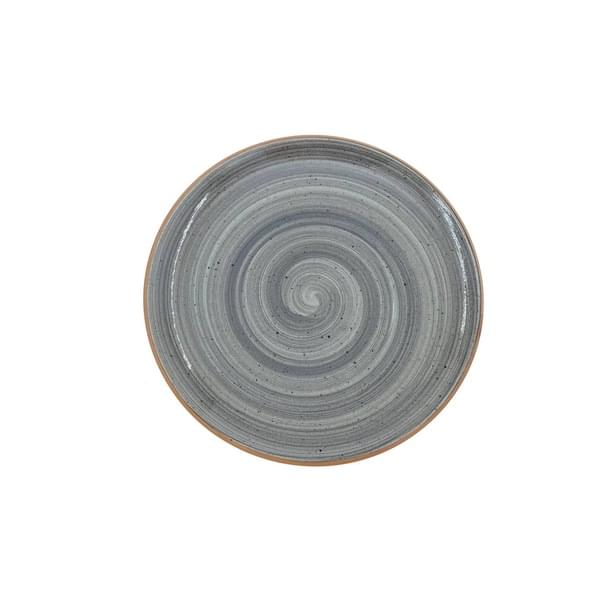
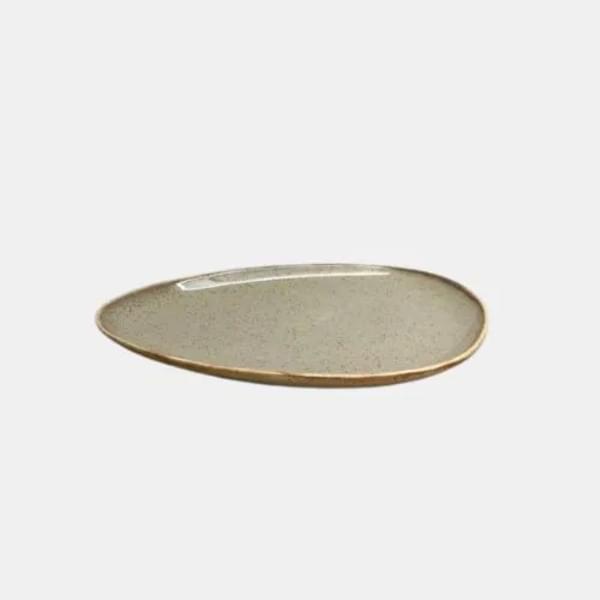
In 2026, Israeli event trends favor organic shapes and textured finishes — irregular-edge plates, speckled stoneware, and handmade-look ceramics are replacing uniform mass-produced styles at design-forward celebrations. Sustainability-conscious hosts appreciate that renting reusable porcelain and stoneware plates reduces waste compared to disposable alternatives. Whether you need 100 plates for a small gathering in Ashdod or 2,000 for a large wedding in Be'er Sheva, Rentlyz makes it easy to find the right dinnerware at the right price.
Plate Rental Pricing in Israel
Plate rental prices in Israel are charged per unit per event. Here is a comprehensive pricing guide for the Israeli market in 2026.
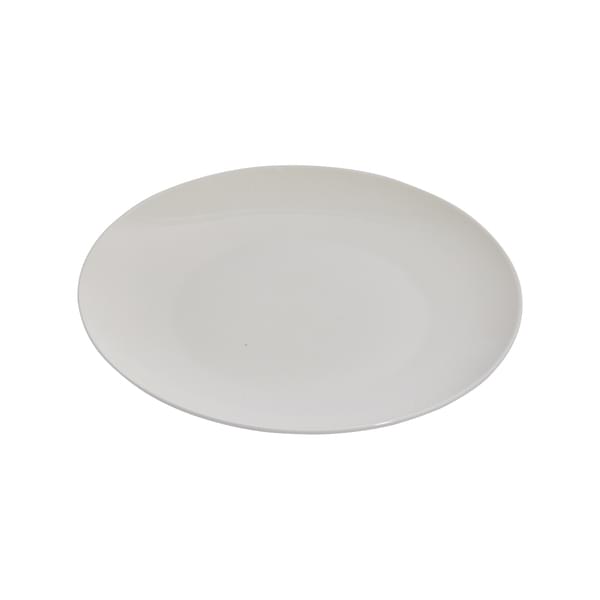
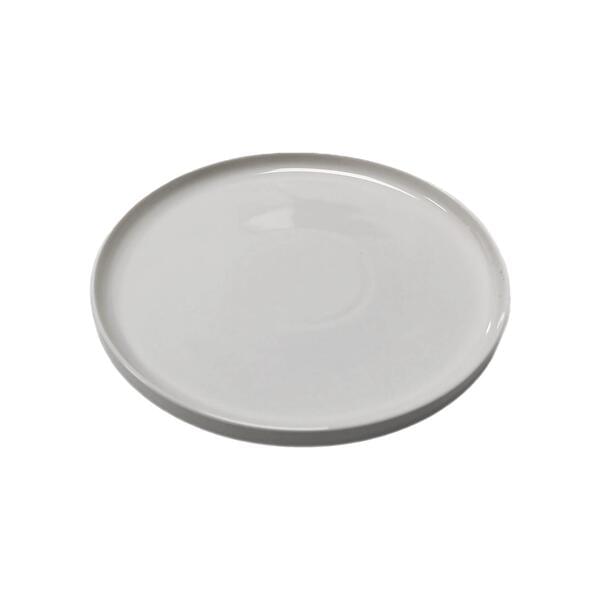
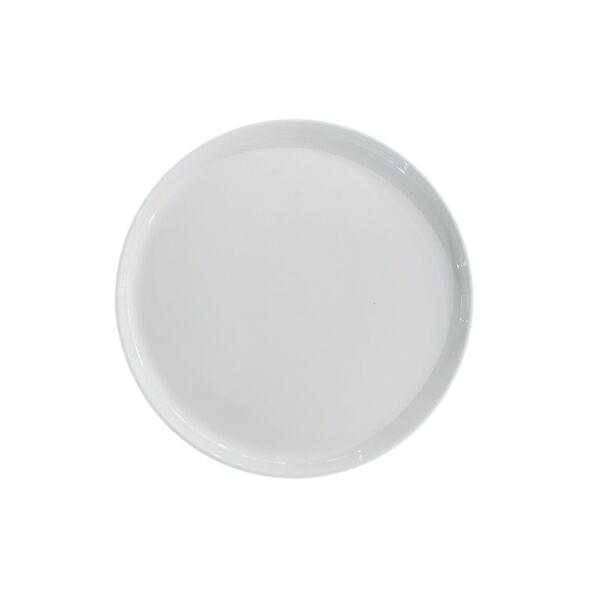
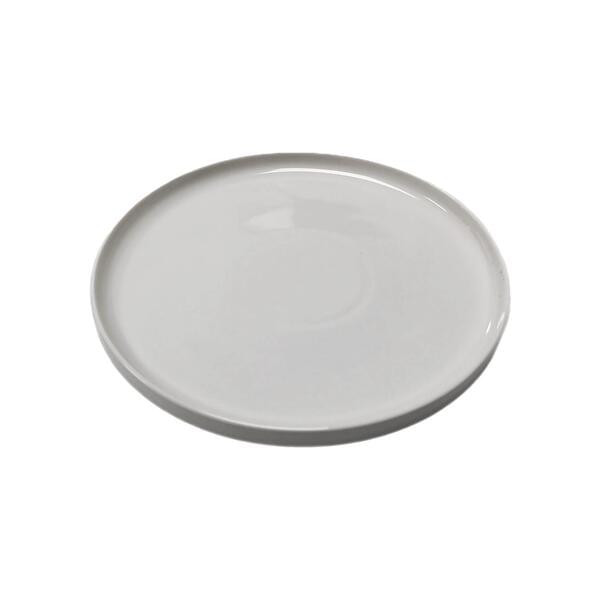
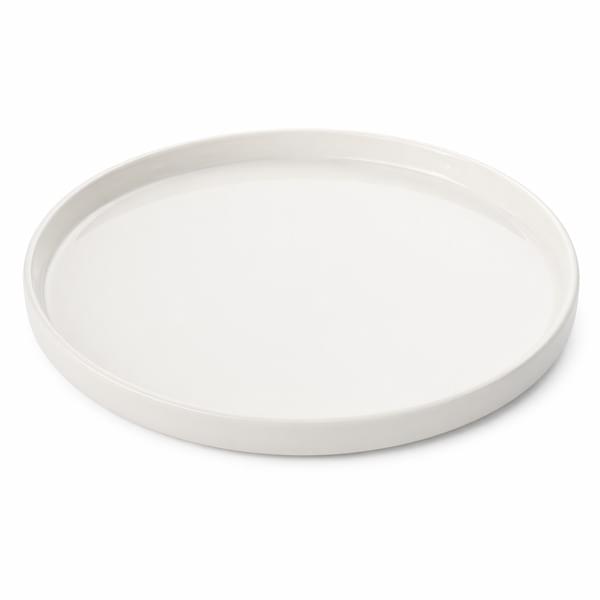
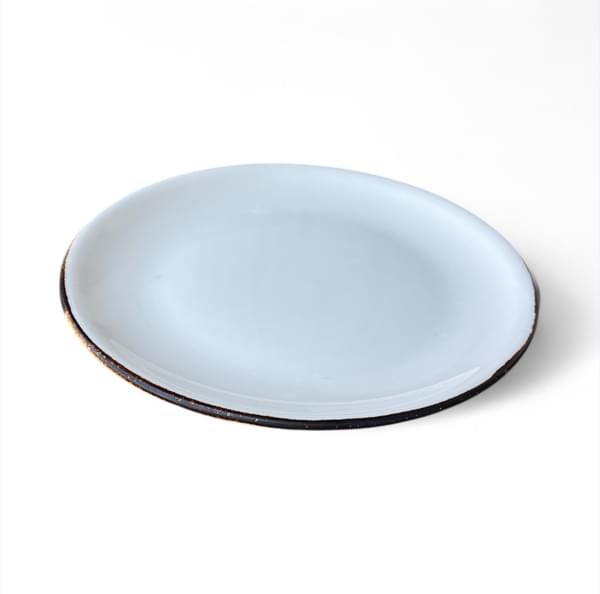
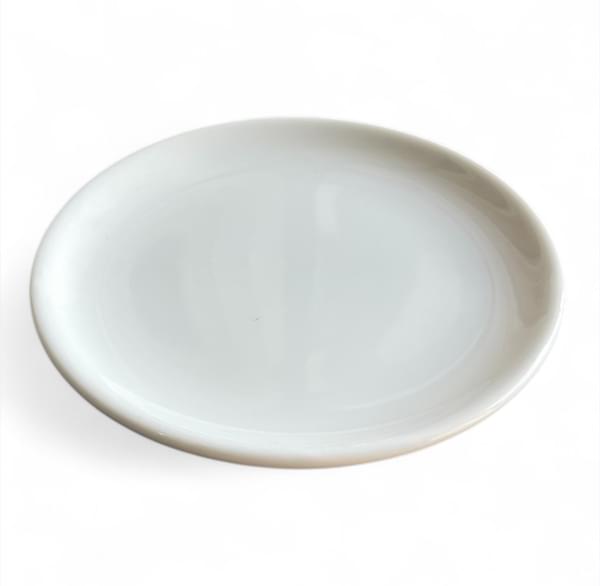
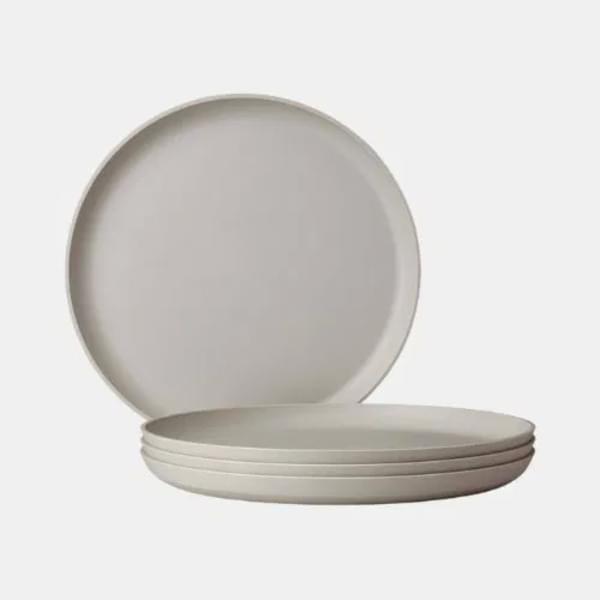
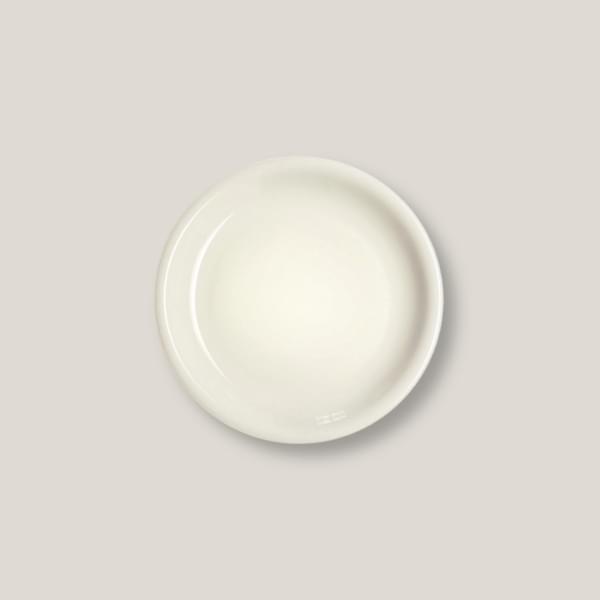
Dinner plate (standard white porcelain) — ₪2 to ₪5 per plate. The workhorse of event dining. 26–28 cm diameter, suitable for main courses. The most commonly rented plate in Israel.
Salad / appetizer plate — ₪1.50 to ₪3.50 per plate. Smaller plates (20–22 cm) for first courses, salads, and starters.
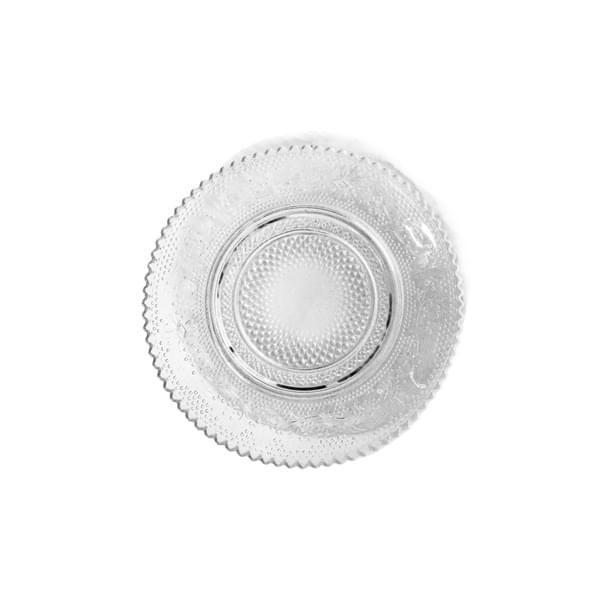
Dessert plate — ₪1.50 to ₪3 per plate. 18–20 cm plates for dessert service and petit fours.
Bread plate — ₪1 to ₪2.50 per plate. Small plates (15–16 cm) for bread service at formal dinners.
Soup bowl — ₪2 to ₪5 per bowl. Deep bowls (14–16 cm) for first-course soups, stews, and bisques. Available in classic white and modern shapes.
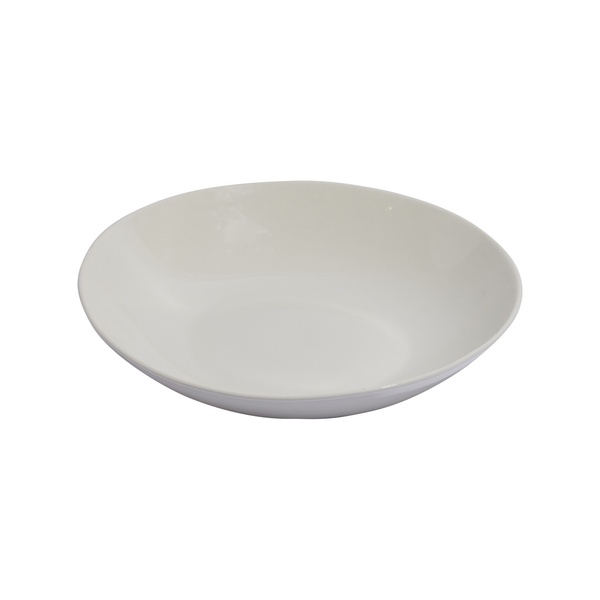
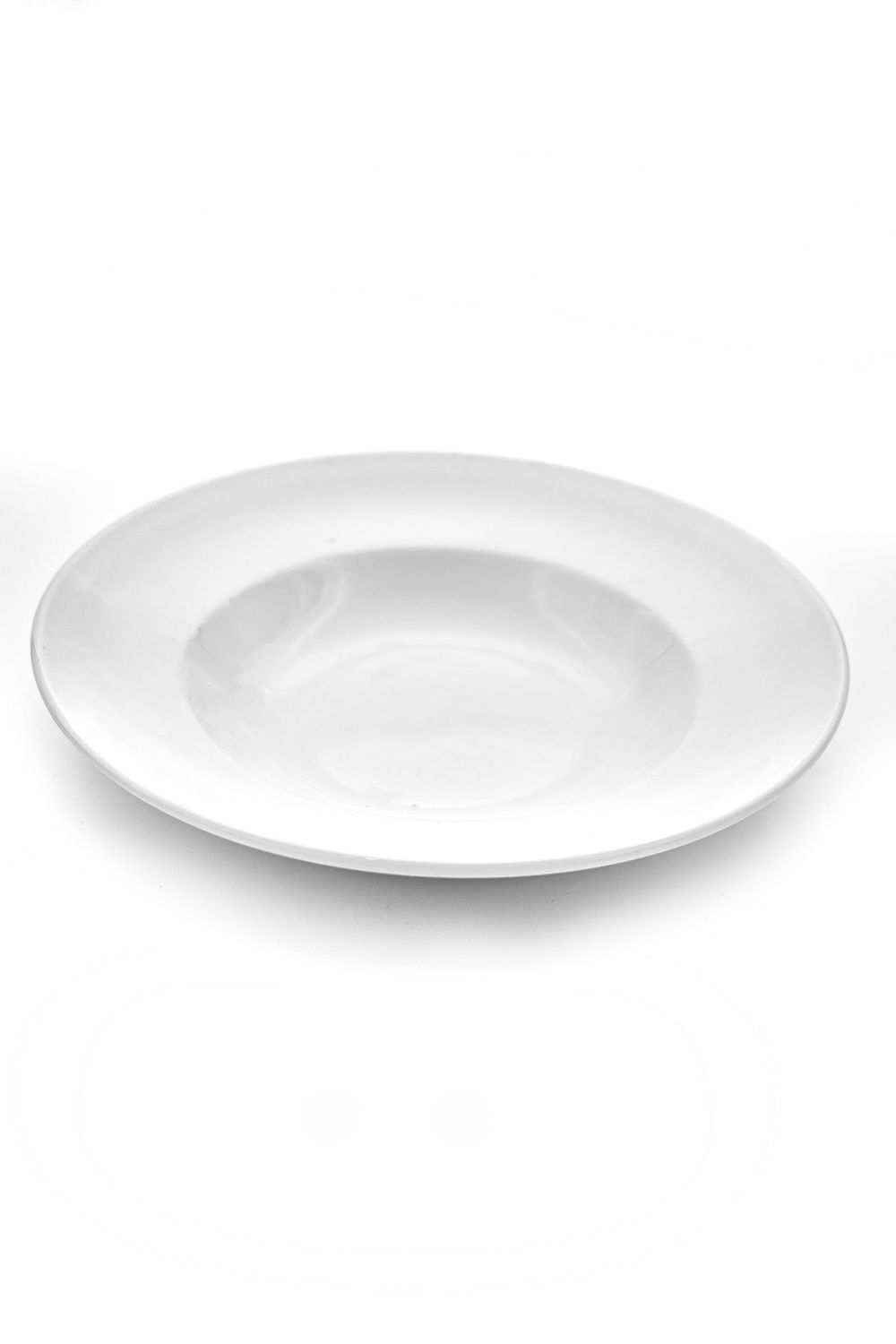
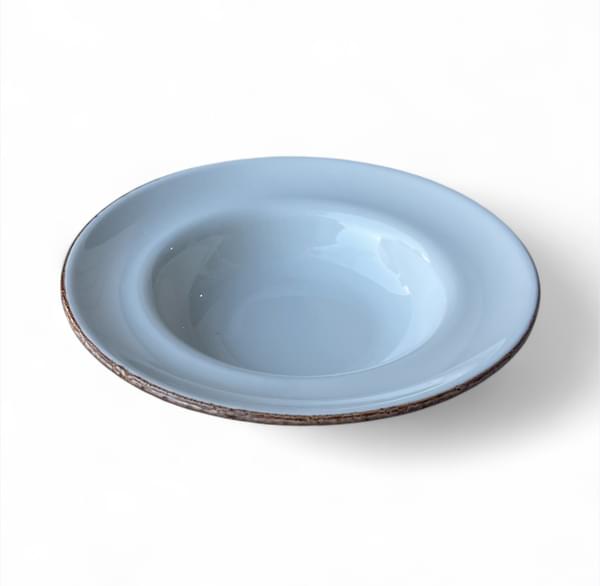
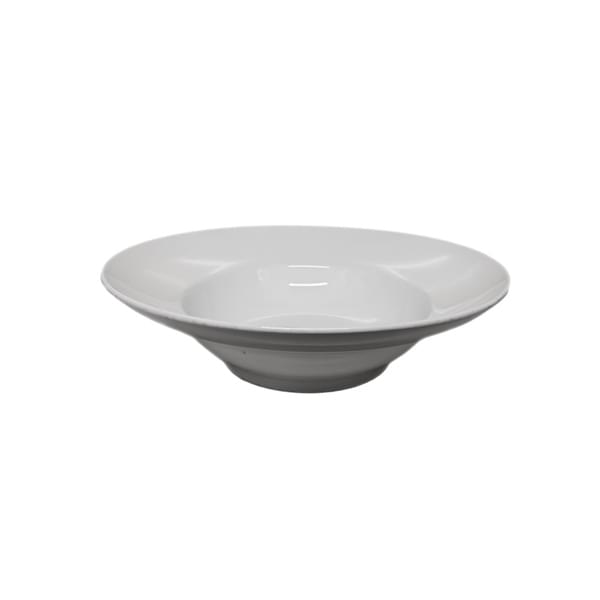
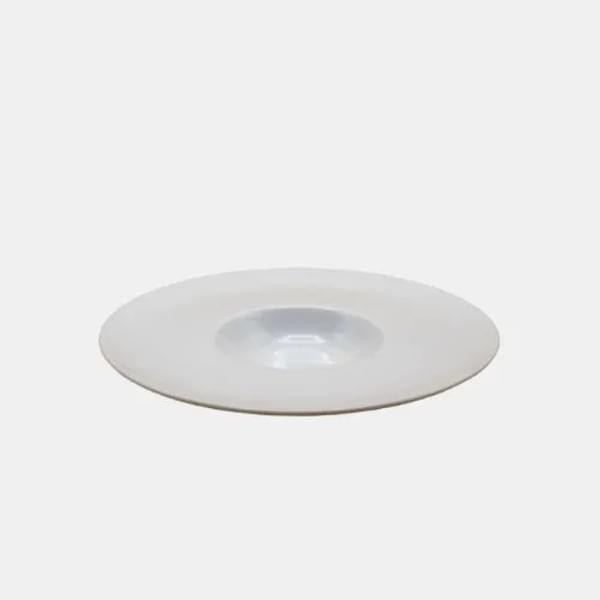
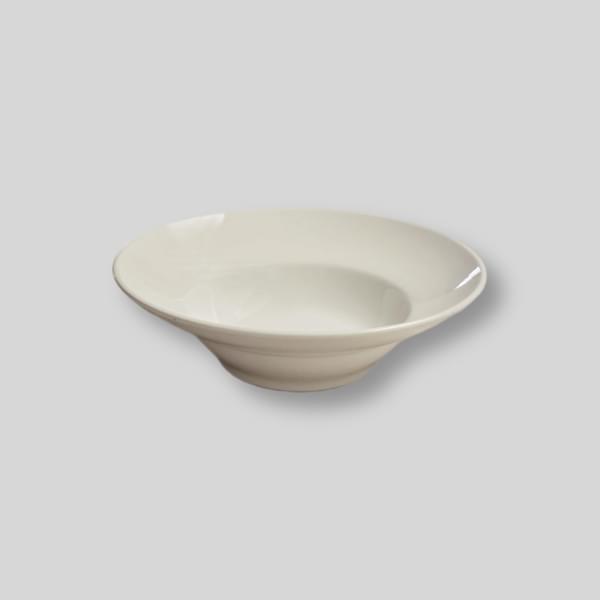
Pasta bowl — ₪2.50 to ₪5 per bowl. Wide, shallow bowls (22–24 cm) for pasta courses and risotto. Increasingly popular at Italian-themed Israeli events.
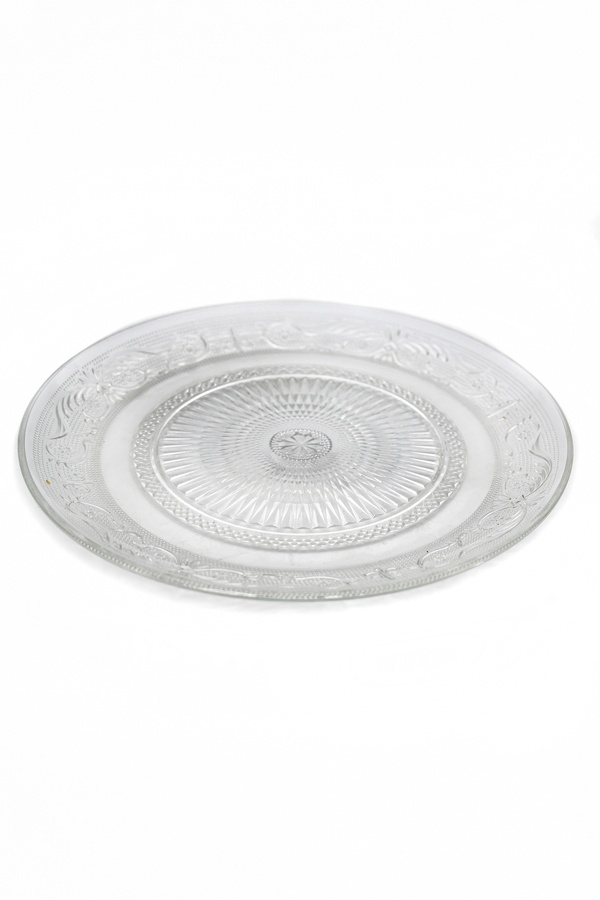
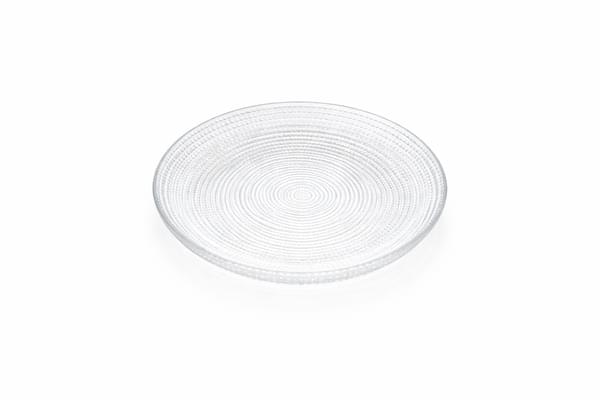
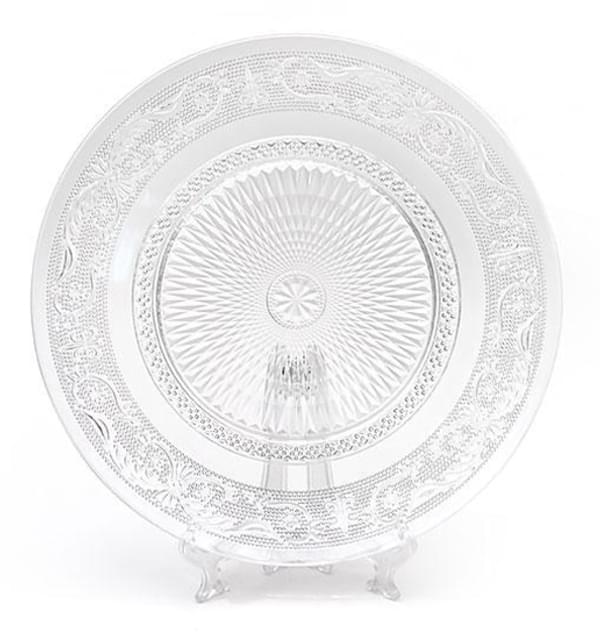
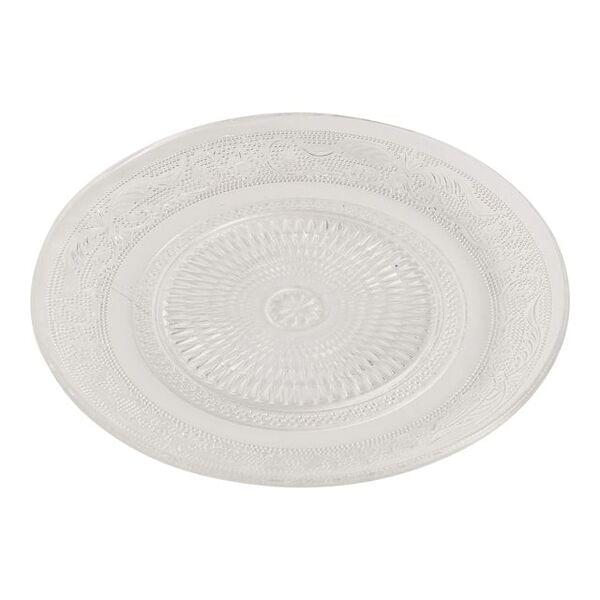
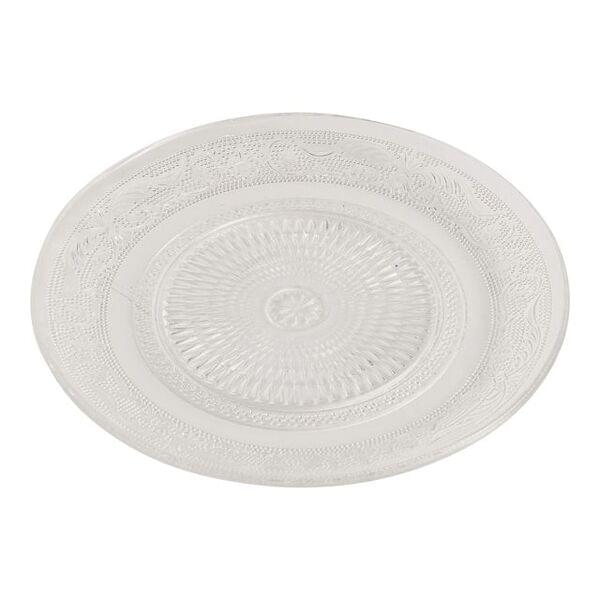
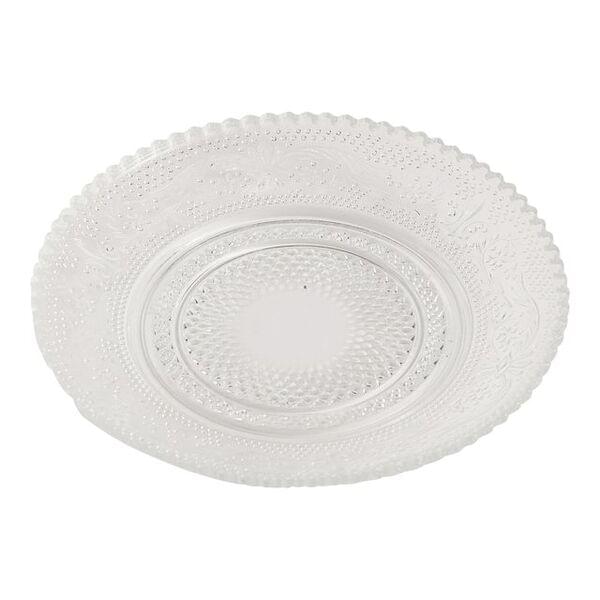
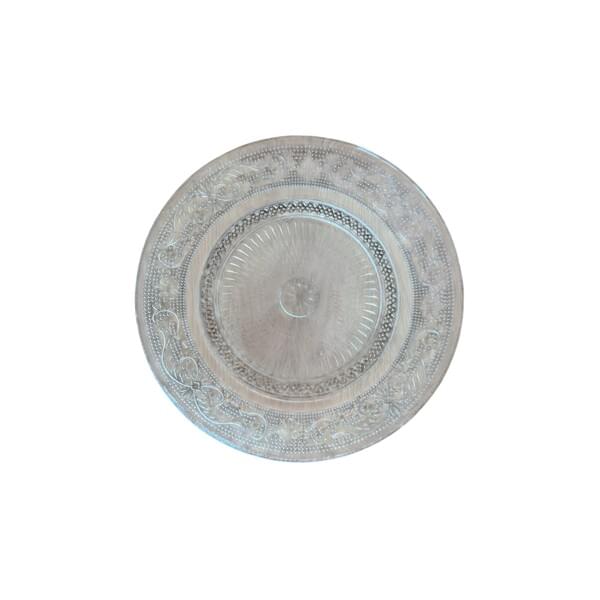
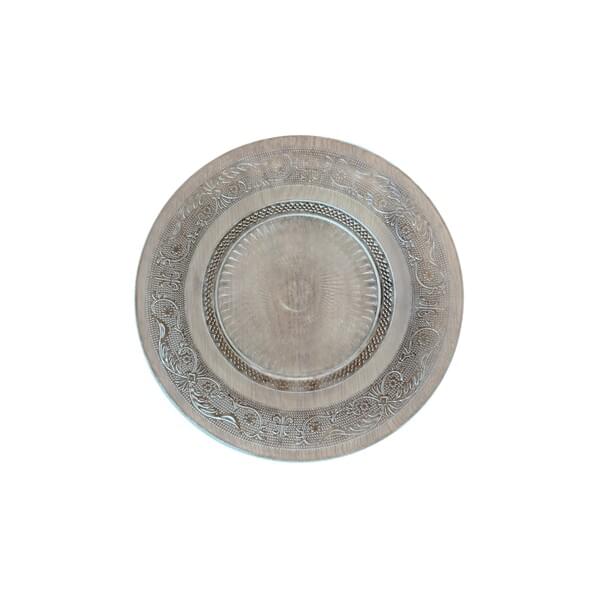
Charger plate (gold, silver, or decorative) — ₪5 to ₪15 per plate. Oversized decorative plates (30–33 cm) placed beneath the dinner plate. Available in metallic, glass, beaded, acrylic, and rustic wood options. The most popular decorative upgrade at Israeli weddings.
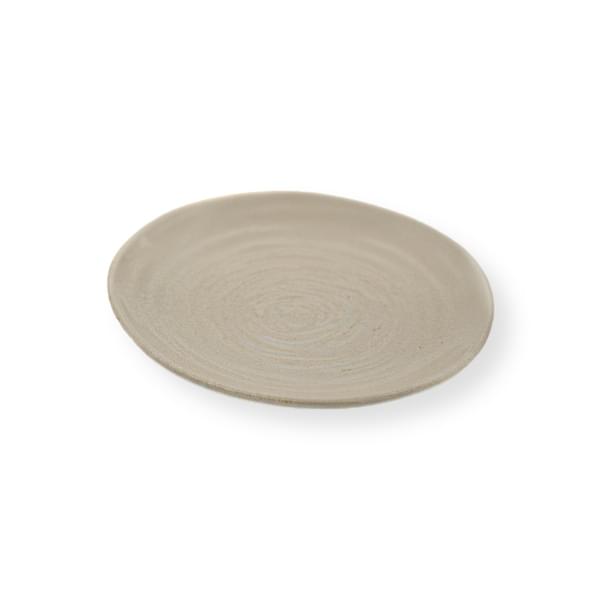
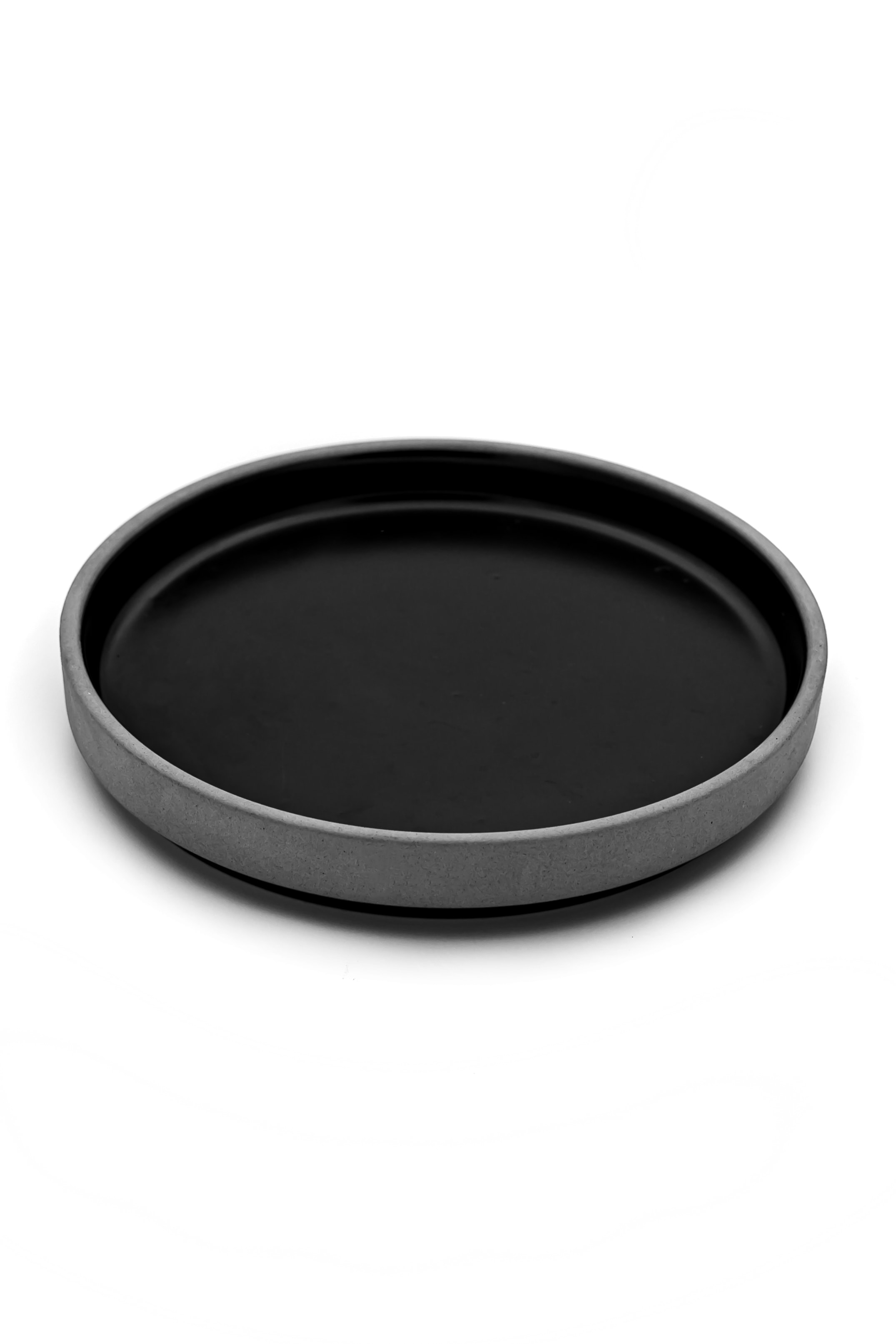
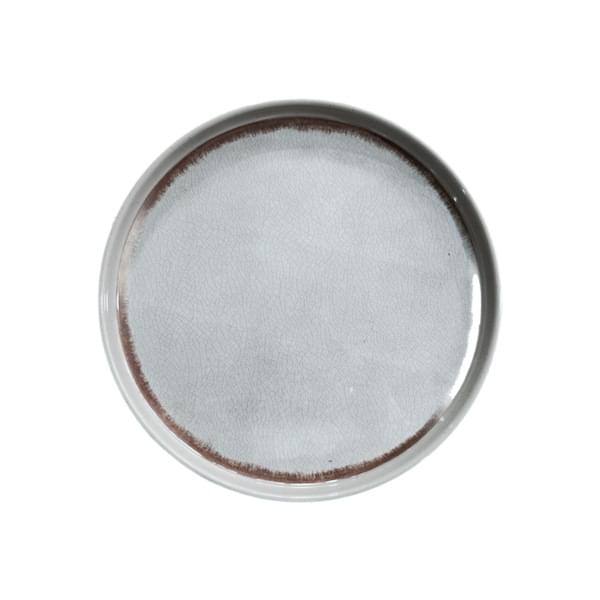
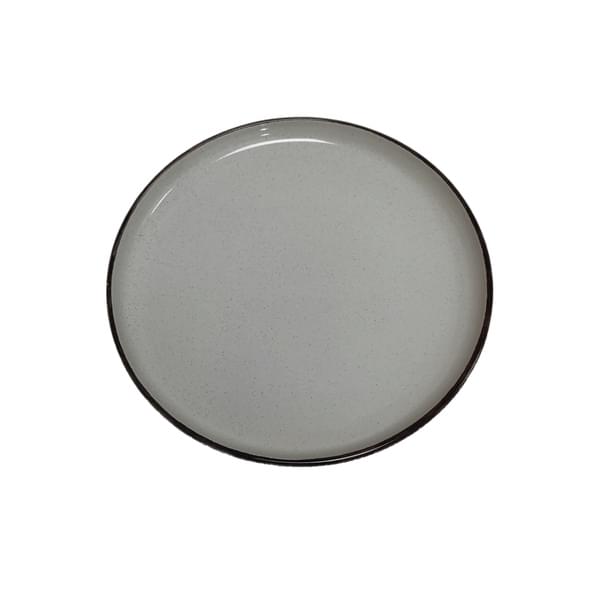
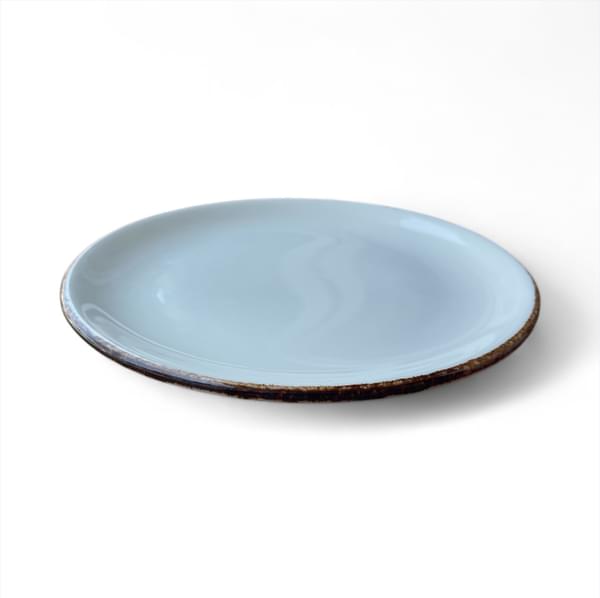
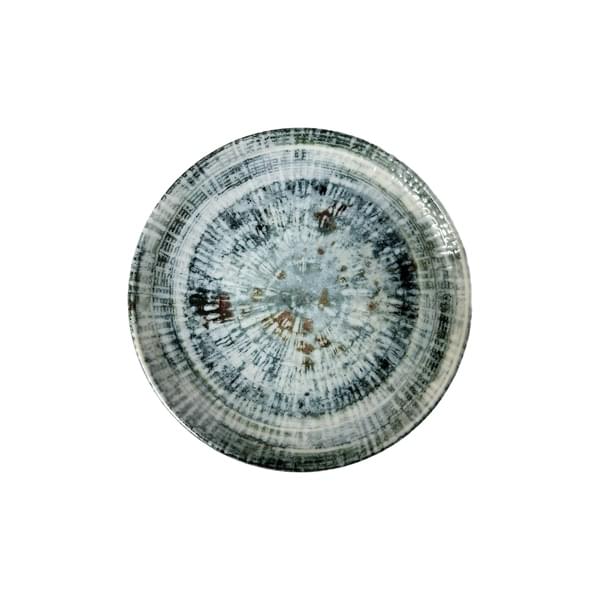
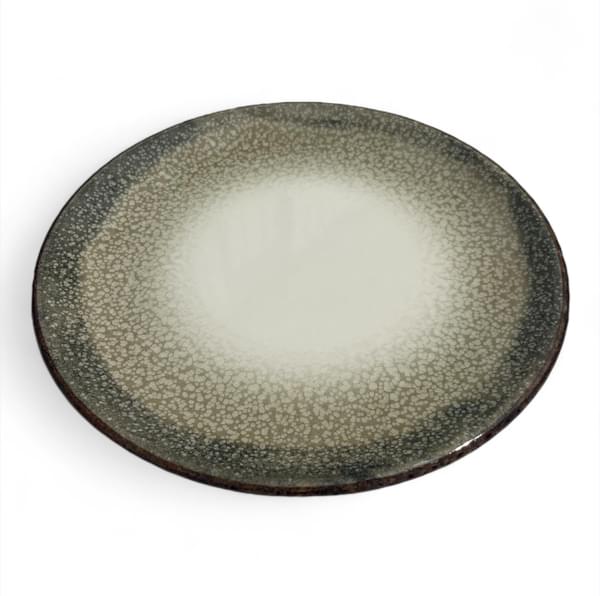
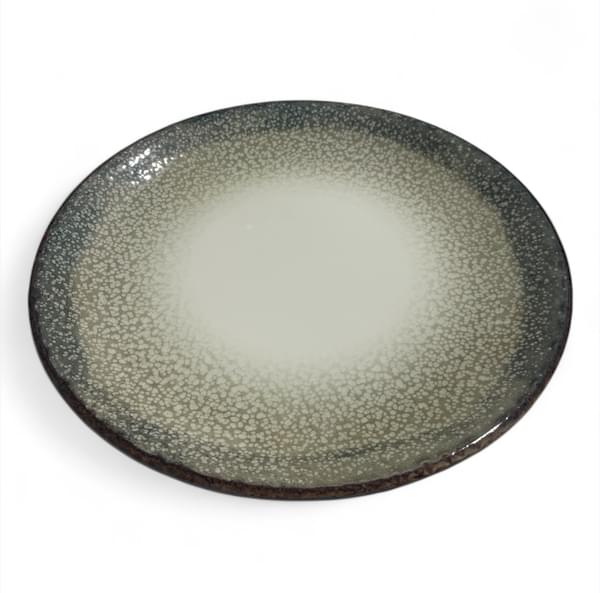
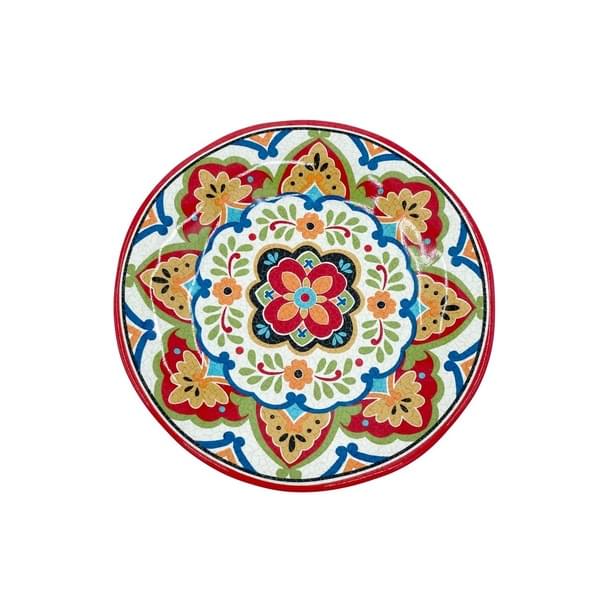
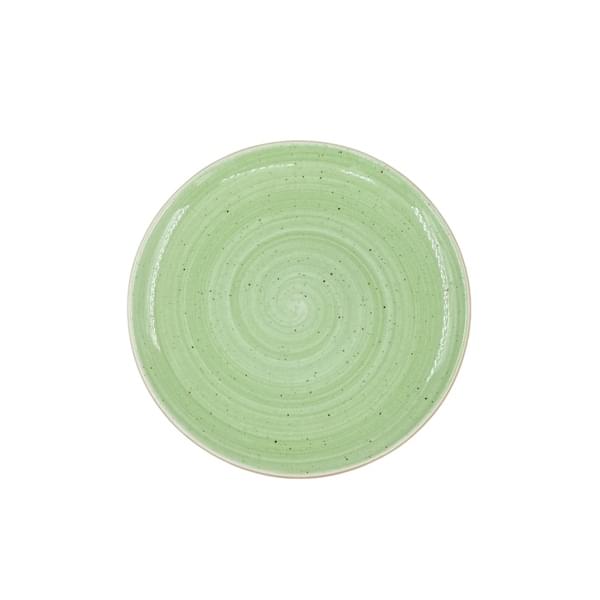
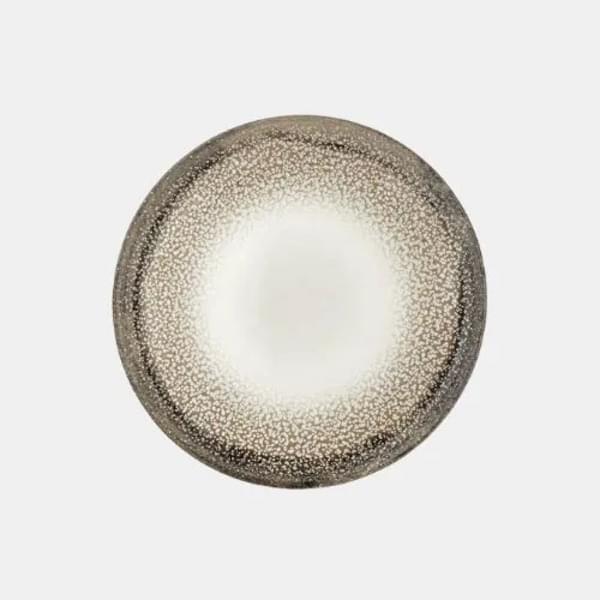
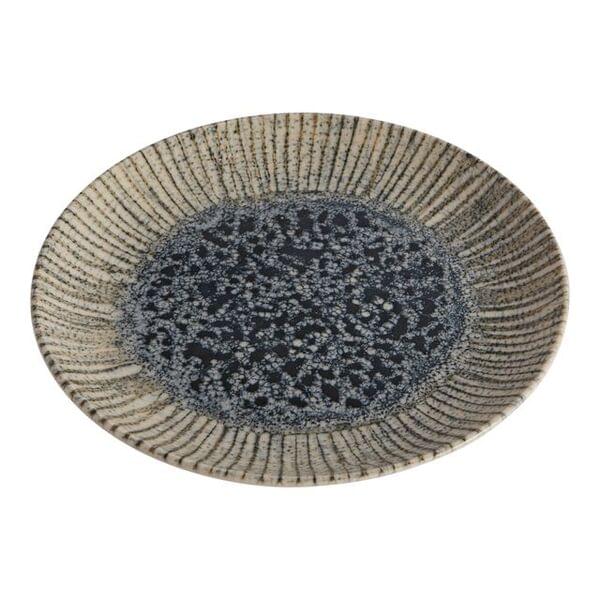
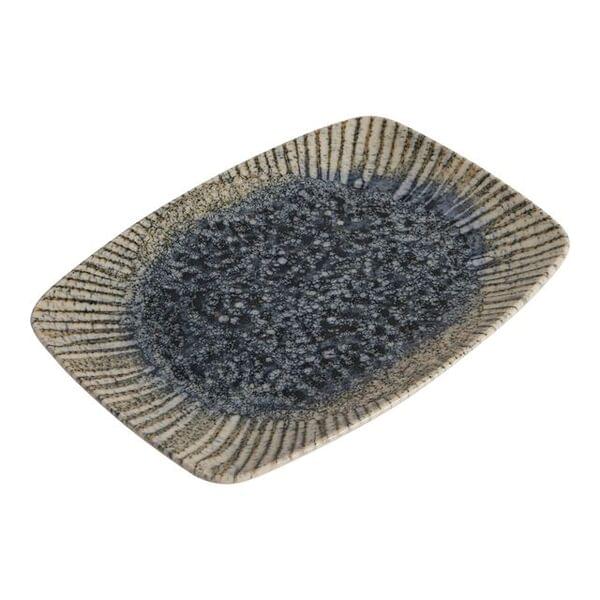
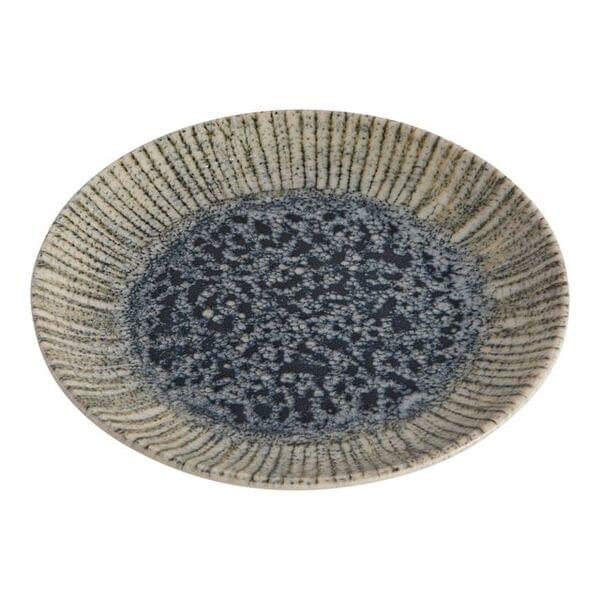
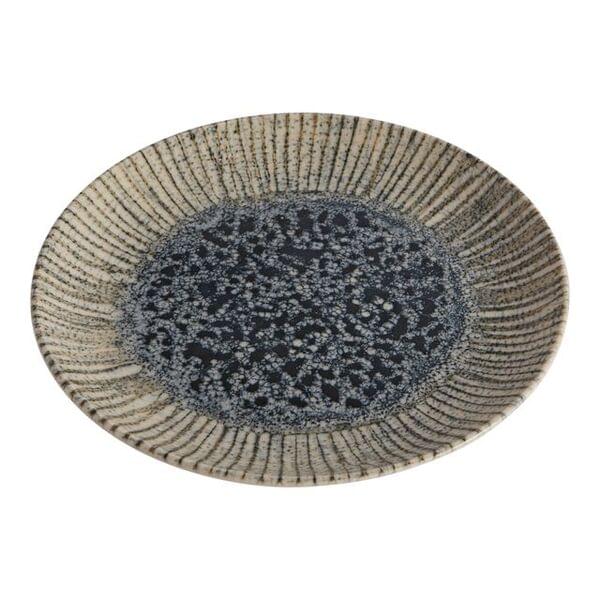
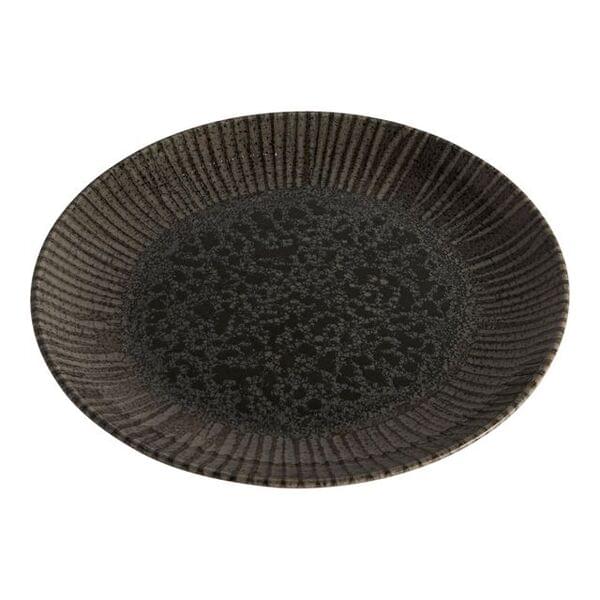
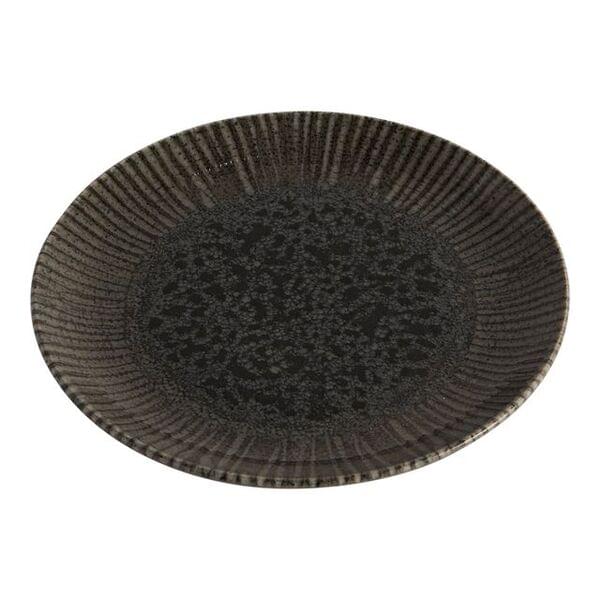
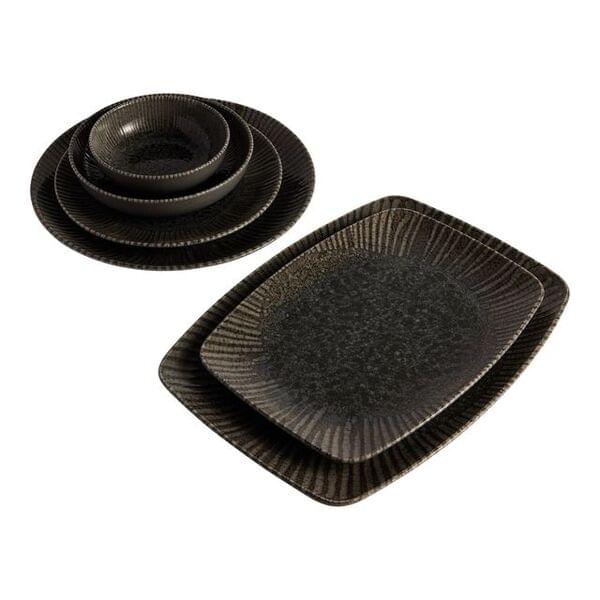
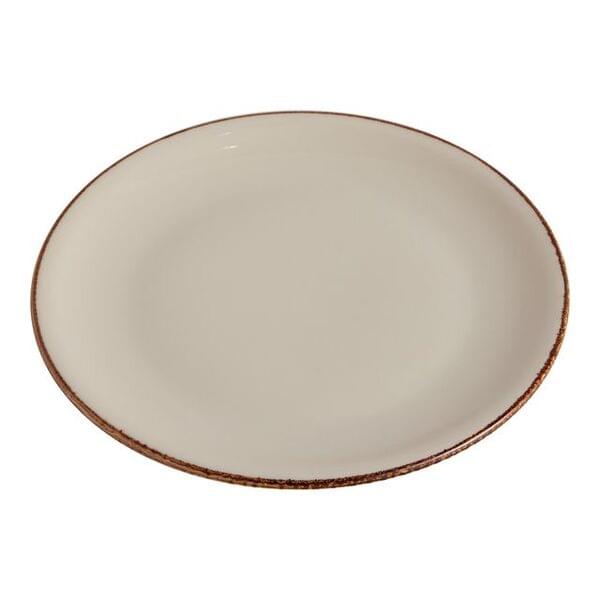
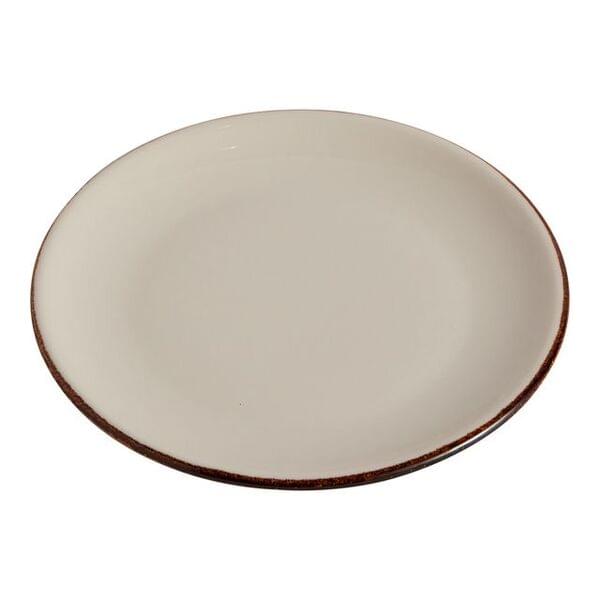
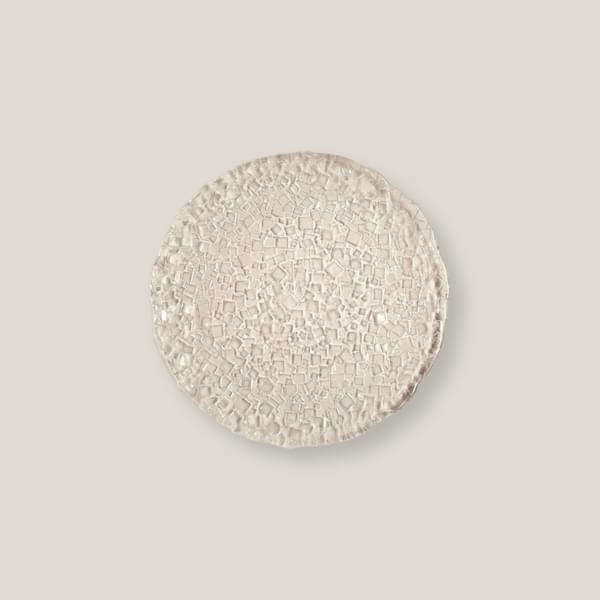
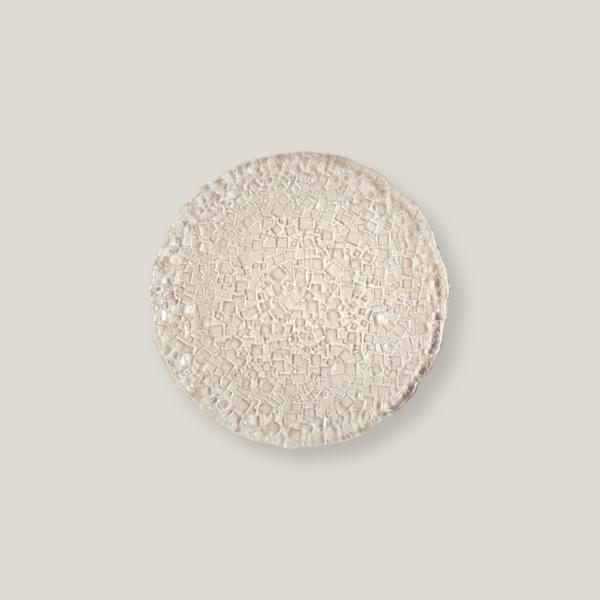
Colored / textured plates — ₪3 to ₪8 per plate. Non-white options including matte black, dusty rose, sage green, terracotta, and rustic stoneware. Popular at themed and bohemian events.
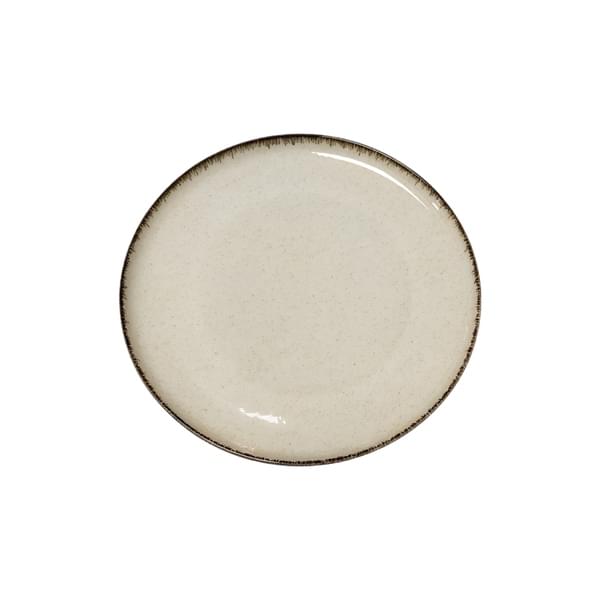
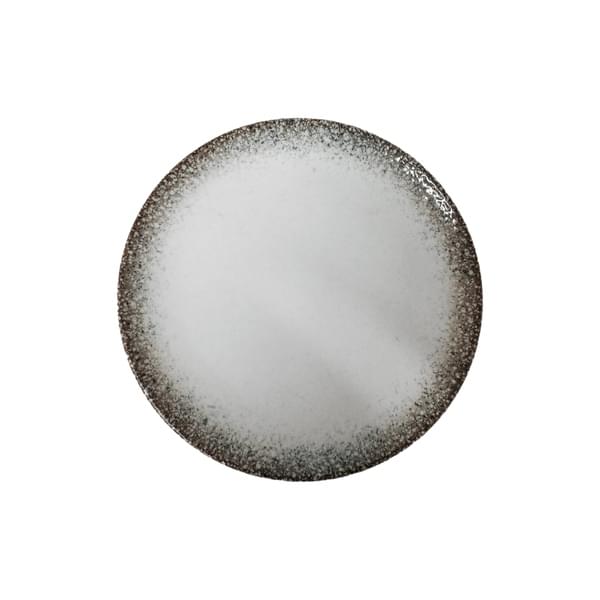
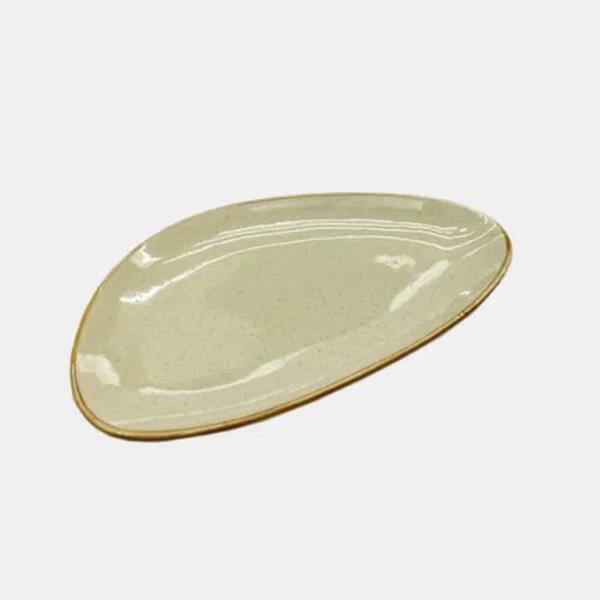
Rustic stoneware plates — ₪4 to ₪8 per plate. Handmade-look ceramics with organic edges and speckled finishes. Trending at outdoor weddings in the Galilee, Golan, and Judean Hills.
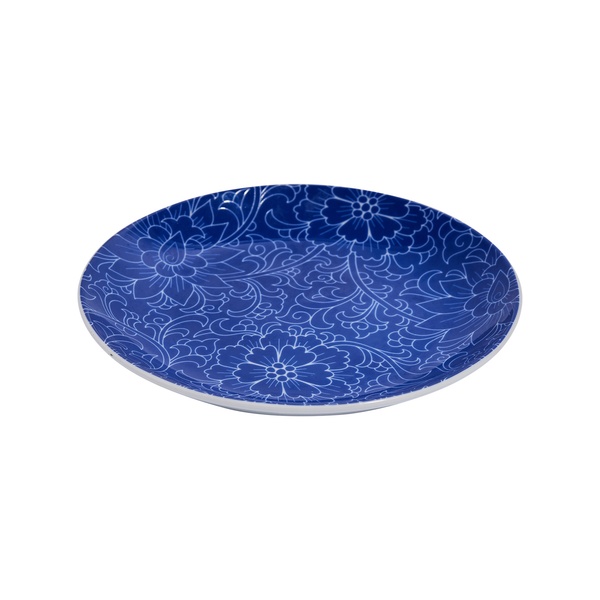
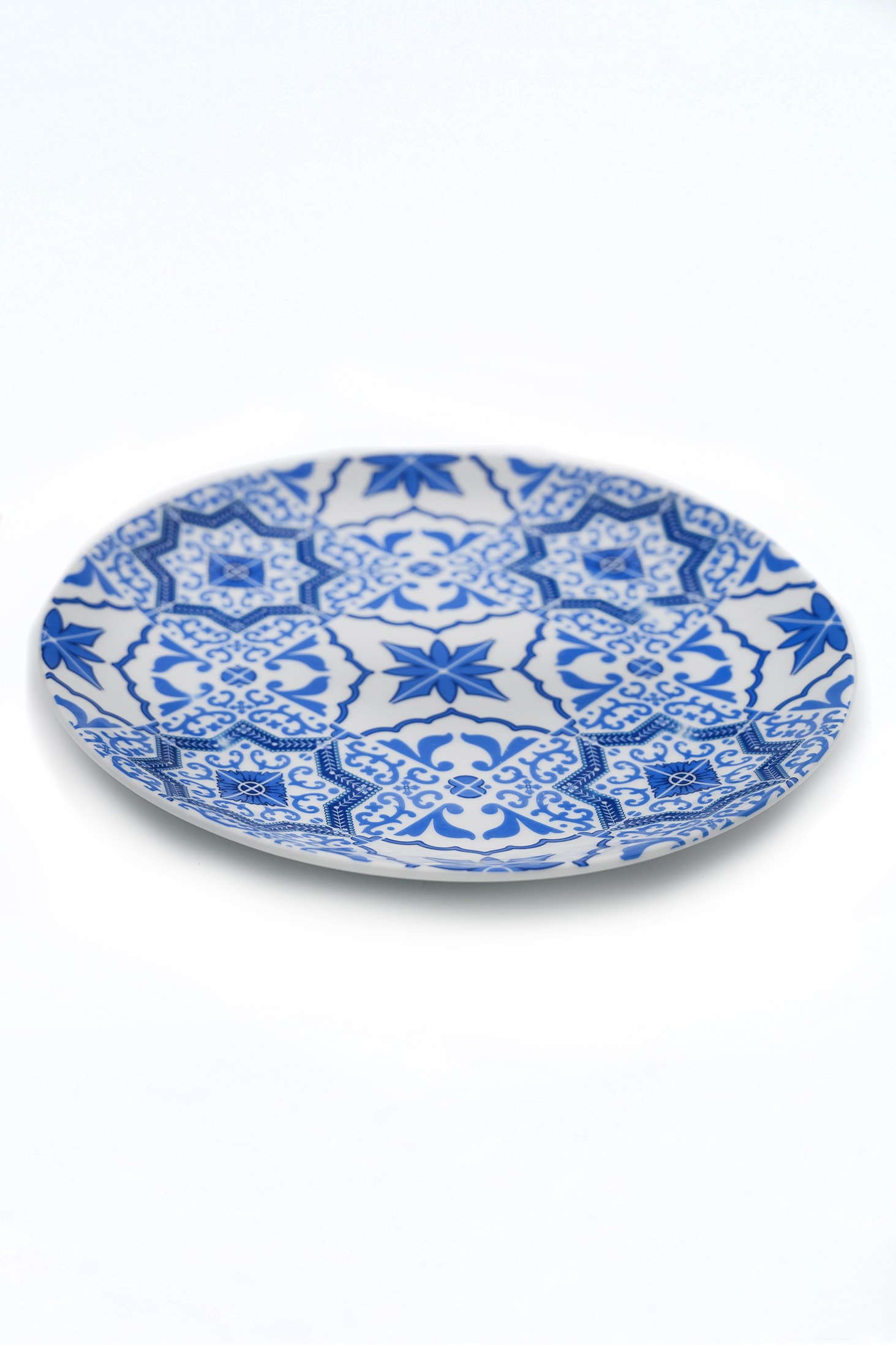
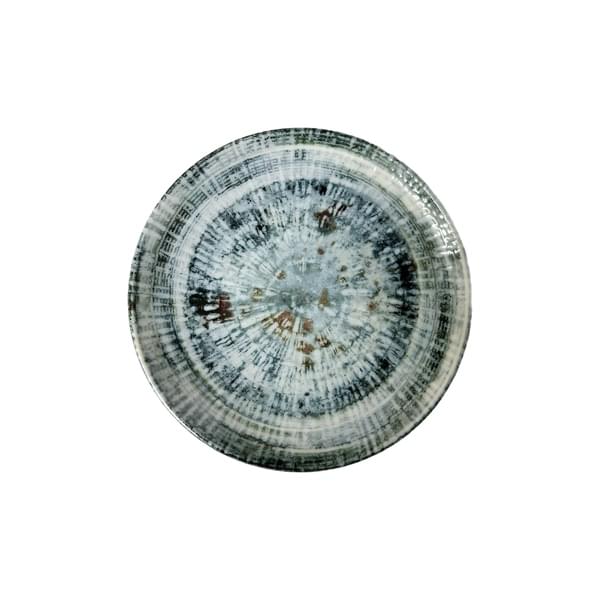
Premium designer plates — ₪6 to ₪12 per plate. High-end patterns, hand-painted designs, or luxury brand reproductions for upscale events in Herzliya, Caesarea, and Tel Aviv.
Seder plate (ke'arah) — ₪10 to ₪25 per plate. Traditional Passover Seder plates with designated compartments for the six symbolic items. Available in ceramic, glass, and silver-look options.
Cake stand / dessert display plate — ₪8 to ₪20 per stand. Elevated plates and tiered stands for cake presentation and dessert tables.
Pro tip: most suppliers on Rentlyz accept plates returned dirty — washing is included in the rental price. Bundle plates with silverware, glassware, and napkins for savings. Order 5–10% more than your guest count for multi-course service. When ordering from multiple suppliers, keep in mind that each has its own delivery, setup, and teardown costs.
Choosing Plates for Your Event
Choosing the right plate style sets the tone for your entire event. Here is a guide to the most popular plate styles for Israeli events in 2026.
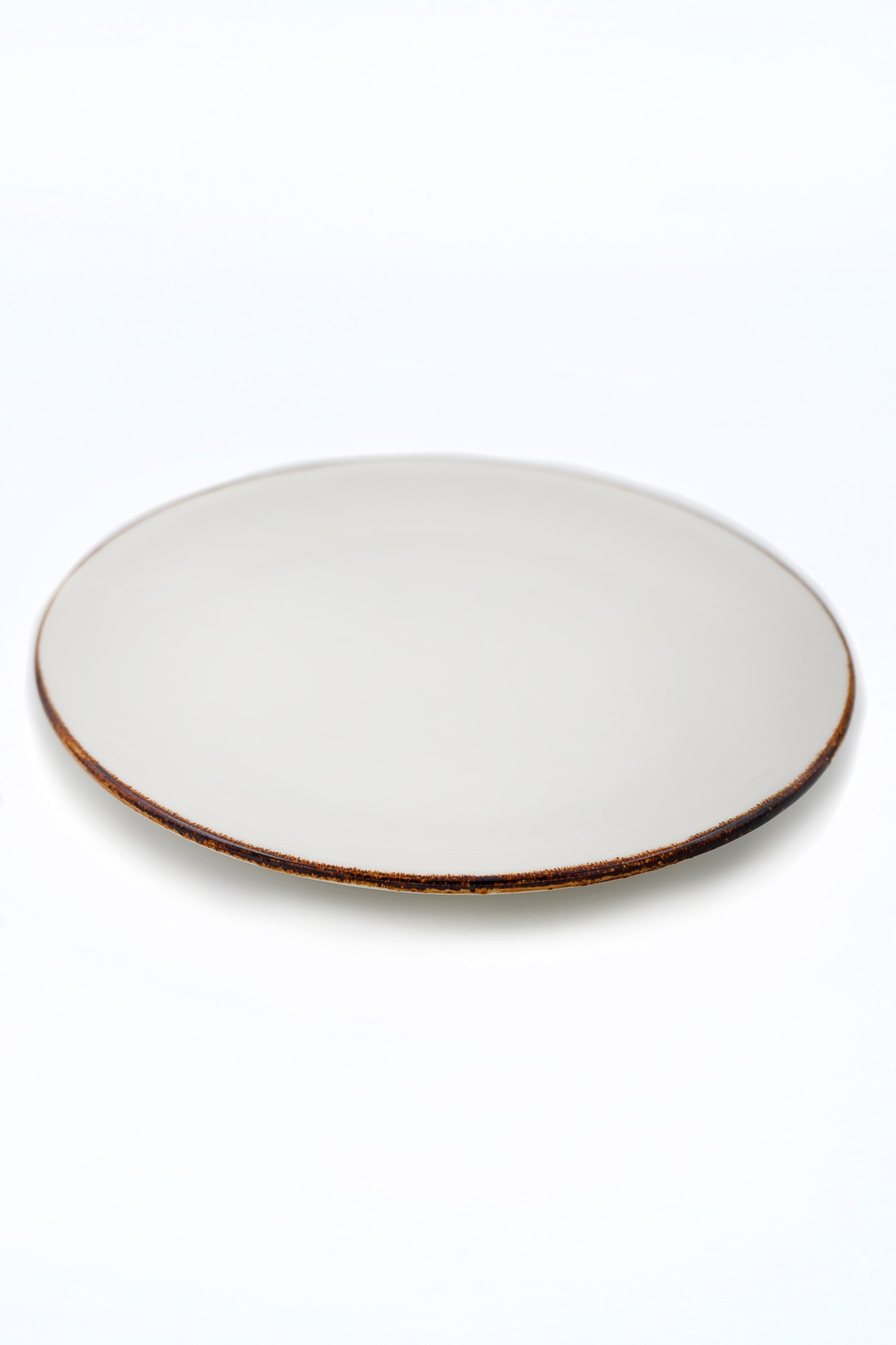
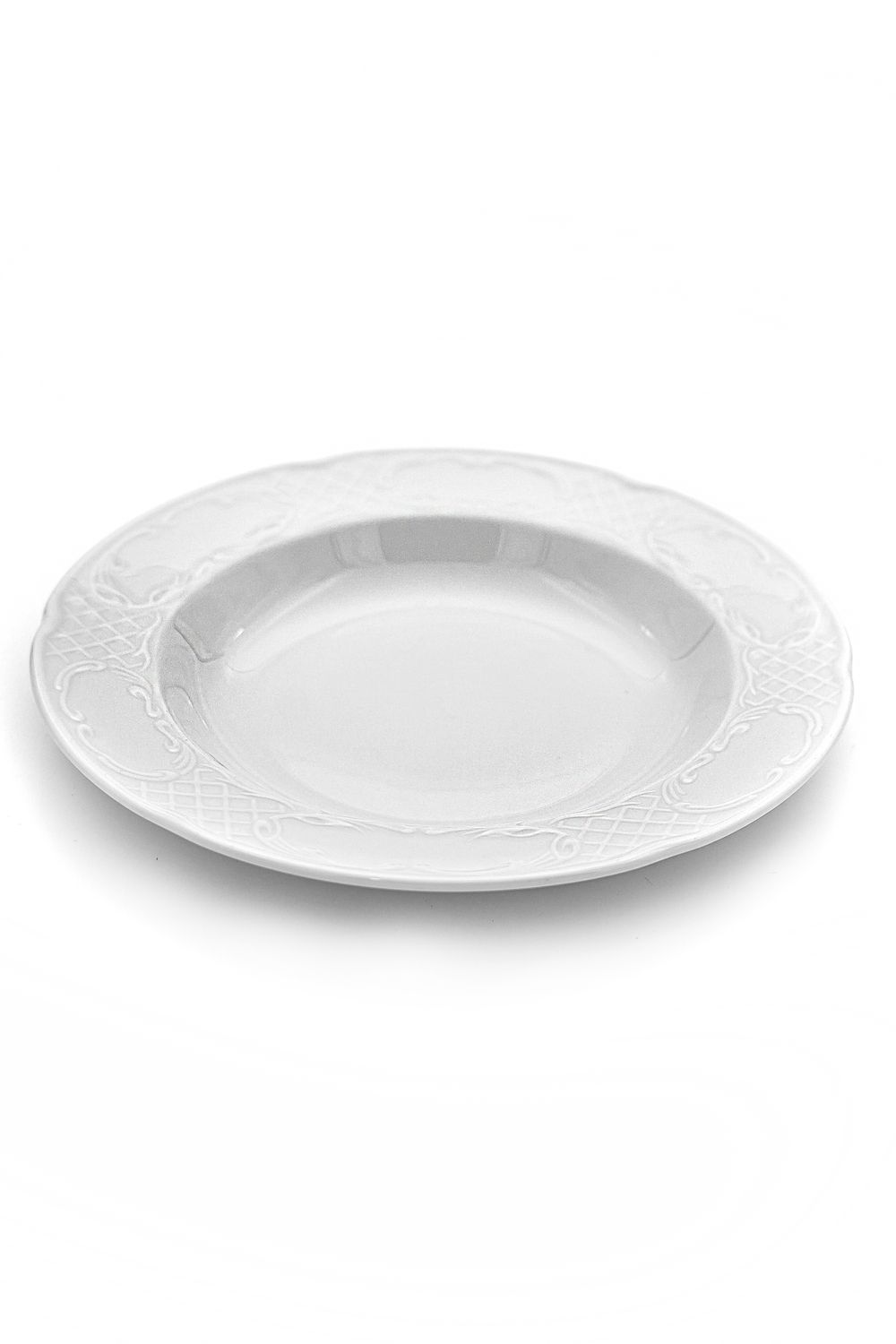
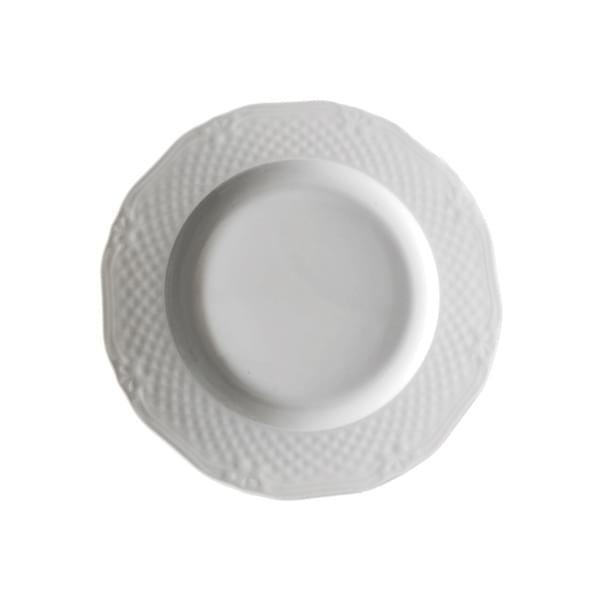
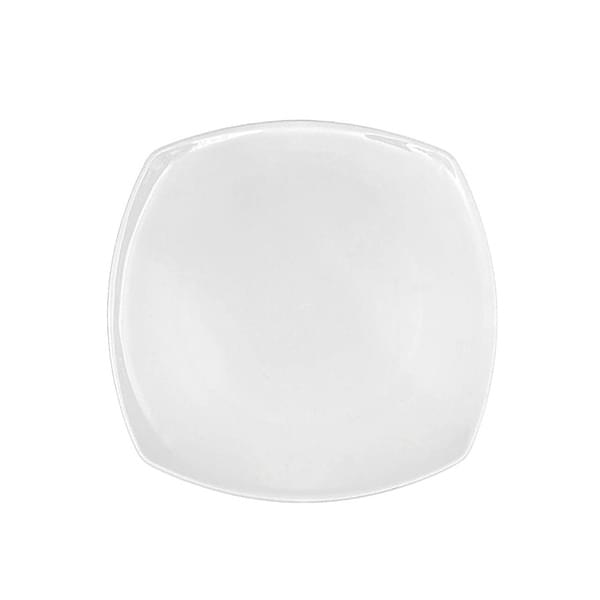
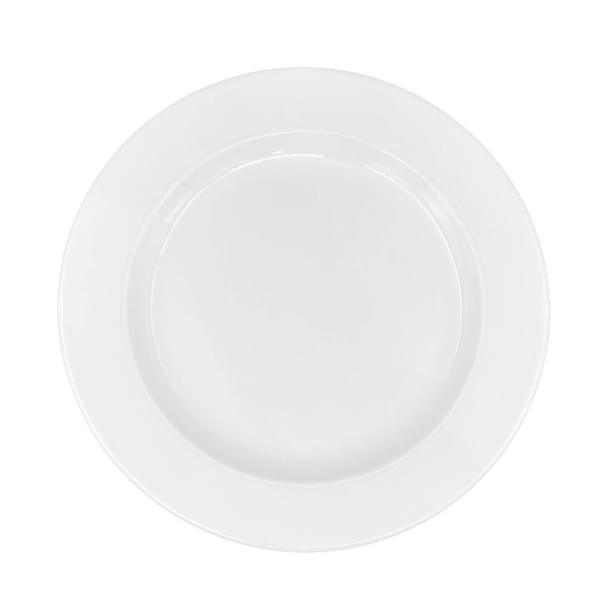
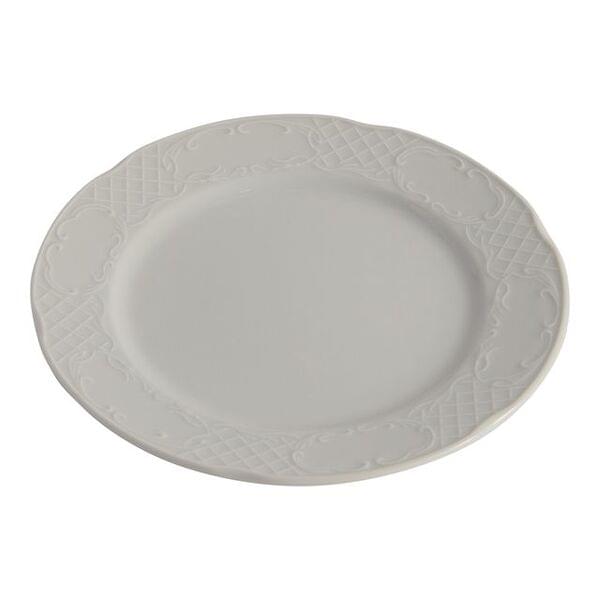
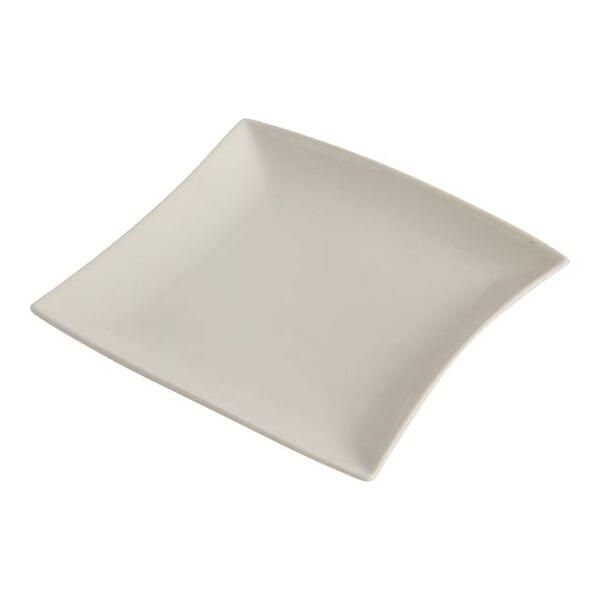
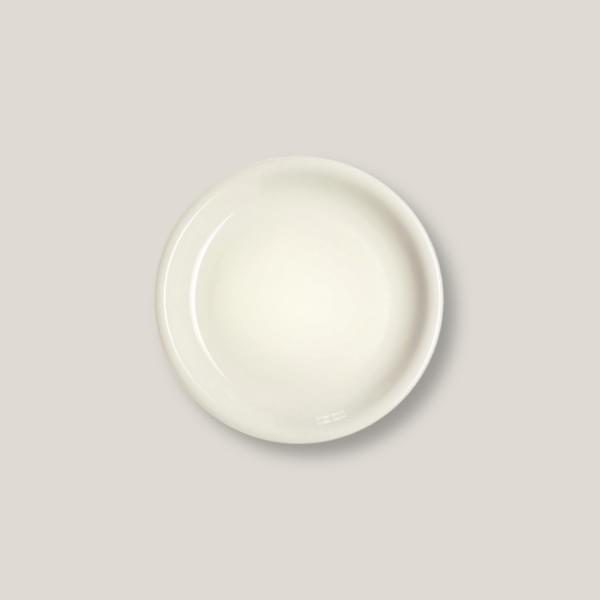
Classic white porcelain is the safest and most versatile choice. It complements any decor style, photographs beautifully under event lighting, and allows the food to be the visual star. It is by far the most commonly rented plate style in Israel — from weddings in Tel Aviv to corporate events in Ramat Gan.
Gold or silver-rimmed plates add elegance with a subtle metallic border. They are the most popular upgrade for formal Israeli weddings and sit at a moderate price premium. Gold rims pair beautifully with gold charger plates for a cohesive luxury look.
Charger plates layer beneath the dinner plate to add depth and color to the table setting. Gold and silver are the most popular finishes, but glass, beaded, acrylic, and rustic wood chargers are also available. In 2026, mixed-material chargers (wood base with metallic accents) are trending at Israeli weddings.
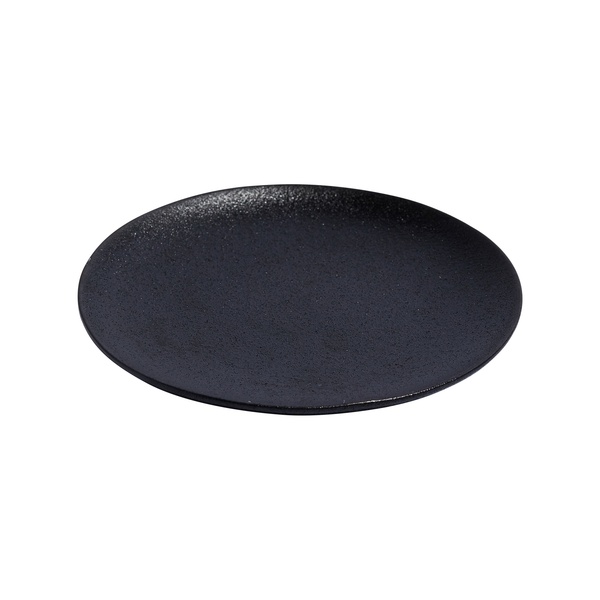
Colored and matte plates create a modern, design-forward look. Matte black, dusty rose, sage green, terracotta, and earth tones are trending at Israeli events. They pair well with natural linen napkins and modern silverware for a minimalist aesthetic.
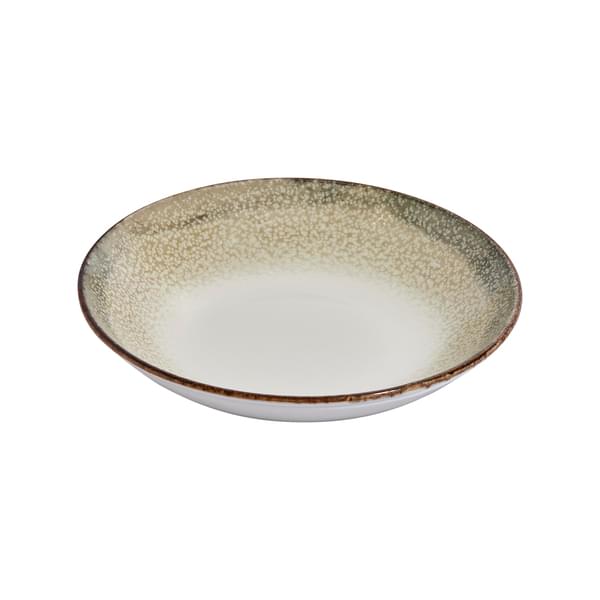
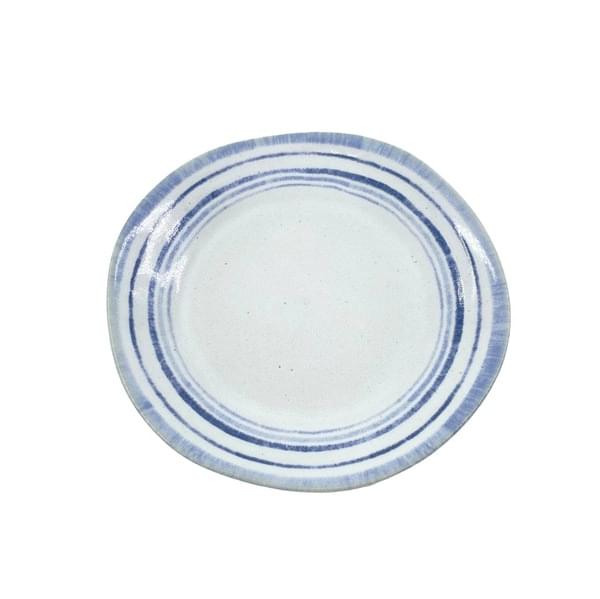
Rustic stoneware and handmade ceramics suit outdoor events at agricultural venues, wineries in the Galilee and Golan Heights, and nature settings across Israel. The organic, irregular edges and speckled finishes complement the Israeli landscape and are a top choice for bohemian weddings.
Bone china and premium dinnerware offer the thinnest, most translucent, and most elegant look. Reserved for ultra-premium events in Herzliya, Caesarea, and upscale Tel Aviv venues where every detail matters.
For Passover Seders, specialized Seder plates (ke'arah) with six compartments are available — ceramic, glass, and silver-look options suit both traditional and modern table settings.
For kosher events, ensure plates from your supplier have not been used at non-kosher events, or opt for suppliers who maintain separate meat and dairy inventory with kosher certification. Several suppliers on Rentlyz cater specifically to the kosher market in Jerusalem, Bnei Brak, and Modi'in.
For eco-conscious hosts, renting reusable porcelain and stoneware plates is significantly more sustainable than single-use disposable alternatives — a growing priority at Israeli events in 2026.
Seasonal Booking Tips for Israel
Plate rental demand follows the event calendar in Israel closely. Here is a seasonal guide to help you plan.
Peak wedding season (May through October): wedding season drives the highest demand for dinner plates, charger plates, and premium designer dinnerware. Weddings in Tel Aviv, Herzliya, Caesarea, and the Galilee book up quickly. Reserve two to four weeks ahead for large orders. Gold charger plates and designer plates sell out first.
Rosh Hashanah and Sukkot (September/October): these holidays create major demand for dinner plates, salad plates, and dessert plates for family celebrations and community meals. Families in Jerusalem, Bnei Brak, and Modi'in host large holiday dinners requiring hundreds of place settings. Book three to four weeks ahead.
Passover (March/April): Seder nights require full multi-course place settings — dinner plates, salad plates, soup bowls, and dessert plates for each guest, plus specialized Seder plates (ke'arah). Community Seders in Netanya, Ashdod, and Haifa can need massive quantities. Kosher-for-Passover plate inventory is limited — book early.
Shavuot (May/June): dairy meal celebrations drive demand for dessert plates and smaller plate settings. Combined with wedding season, availability can be tight.
Mimouna (post-Passover): traditional Moroccan celebration feasts create demand for large sharing platters and decorative plates, especially in Be'er Sheva, Jerusalem, and Netanya.
Purim (February/March): Purim seudot (feasts) and Mishloach Manot events drive moderate demand for plates and serving dishes.
Off-peak (November through February): corporate holiday events, Hanukkah parties, and winter celebrations maintain steady but reduced demand. Suppliers may offer discounts on large orders.
Pro tip: order 5–10% more plates than your guest count to account for multi-course service and the occasional breakage. For a 4-course meal with 200 guests, plan approximately 800–1,000 plates total.
Popular Types of Plates
Frequently Asked Questions About Plates Rentals
What types of plates can I rent for events in Israel?
On Rentlyz you can rent dinner plates, salad plates, dessert plates, bread plates, soup bowls, pasta bowls, charger plates (gold, silver, glass, beaded, wood), colored and matte plates, rustic stoneware, bone china, premium designer dinnerware, Seder plates, and cake stands. Materials include porcelain, stoneware, glass, acrylic, and melamine — covering every event style from intimate Shabbat dinners to large weddings.
How many plates do I need per guest at an Israeli event?
For a full multi-course meal (standard at Israeli weddings), plan 3–5 plates per guest: dinner plate, salad plate, dessert plate, and optionally a bread plate and soup bowl. Add charger plates for formal settings. For 200 guests with 4 courses, that is approximately 800–1,000 plates. Order 5–10% extra for backup and multi-course turnover.
Do I need to wash plates before returning them?
No. Most suppliers on Rentlyz accept plates returned dirty — washing is included in the rental price. Simply stack them in the provided crates. Check each supplier's return policy.
How much do plate rentals cost in Israel?
Standard white dinner plates cost ₪2–₪5 each. Charger plates range ₪5–₪15 each. Colored and designer plates cost ₪3–₪12. Most suppliers offer volume discounts for large orders.
Can I bundle plates with silverware and glasses?
Yes. Many suppliers on Rentlyz offer tableware packages that bundle plates, silverware, and glassware at a potential discount compared to renting each item separately — pricing varies by supplier. When ordering from multiple suppliers, keep in mind that each has its own delivery, setup, and teardown costs.
Are kosher-certified plates available for rent in Israel?
Yes. Several suppliers on Rentlyz maintain separate kosher plate inventory with distinct meat and dairy sets. Some also offer kosher-for-Passover plates that have been properly kashered. This is especially important for events in Jerusalem, Bnei Brak, and Modi'in. Check supplier profiles for kosher certification details.
What is a charger plate?
A charger plate is a large decorative plate (30–33 cm) placed beneath the dinner plate. It adds color, texture, and formality to the table setting. Chargers are not used for serving food — they frame the dinner plate as a design element.
How far in advance should I book plate rentals in Israel?
During peak wedding season (May–October), Rosh Hashanah, Passover, and other Jewish holidays, book two to four weeks ahead for large orders. Gold charger plates and designer dinnerware sell out first. Off-peak bookings (November–February) can usually be confirmed within one to two weeks. Check real-time availability on Rentlyz.
Is renting plates more eco-friendly than disposable dinnerware?
Yes. Renting reusable porcelain and stoneware plates is significantly more sustainable than disposable plastic or paper plates. Suppliers handle professional washing and sanitizing, minimizing the environmental footprint. Many Israeli event planners in 2026 are choosing rental dinnerware as part of their sustainability commitment — reducing waste while maintaining an elegant presentation. Beyond sustainability, serving food on quality dinnerware instead of cheap disposable plates is a significant upgrade to any event — real plates respect the food and the occasion, and automatically raise the overall feel and rating of your event.
How are rented plates delivered and returned in Israel?
Plates are delivered in protective dish crates with dividers to prevent breakage during transport. Suppliers handle delivery and pickup across Israel — from Tel Aviv and Jerusalem to Eilat and the Galilee. Most include professional washing in the rental price, so you simply return the plates dirty in the provided crates. Most suppliers include a reasonable breakage allowance — review each supplier's policy before booking.
From classic white porcelain dinner plates and gold charger plates to rustic stoneware and premium designer dinnerware — Rentlyz is the easiest way to find and compare plate rentals across Israel. Serving Tel Aviv, Jerusalem, Haifa, Be'er Sheva, Herzliya, Netanya, Eilat, Ashdod, Petah Tikva, Bnei Brak, Ramat Gan, Modi'in, Caesarea, and all of Israel. Browse verified suppliers, compare per-unit pricing, check real-time availability, and request instant quotes — all in one place on Rentlyz.
Company
About us
Terms and conditions
Privacy policy
Resources
Businesses
Item catalog
Packages
Rent event equipment
Chairs
Tables
Silverware
Counters
Plates
Light
Israel
English
© 2026 Rentlyz, Ltd.