You are changing the Order #
Cancel Changes
Continue Editing
Need help choosing a vendor?
Tell us what you need — we'll match you in minutes.
Chat on WhatsApp
Explore
Businesses
Tables for rent
Find the perfect tables for your event on Rentlyz. Compare 19 verified table rental suppliers offering 864 options — from elegant round dining tables to rustic knights' tables and standing-height cocktail tables — with real-time availability and instant quotes.
Compare Tables Rental Suppliers
19 Businesses
•
864 items
Variety of Items
Distance
Delivery Price
Harmonia
ציוד יוקרתי לאירועים במבחר סגנונות ועיצובים
258 items
•
₪20 - ₪520
Sorted by popularity
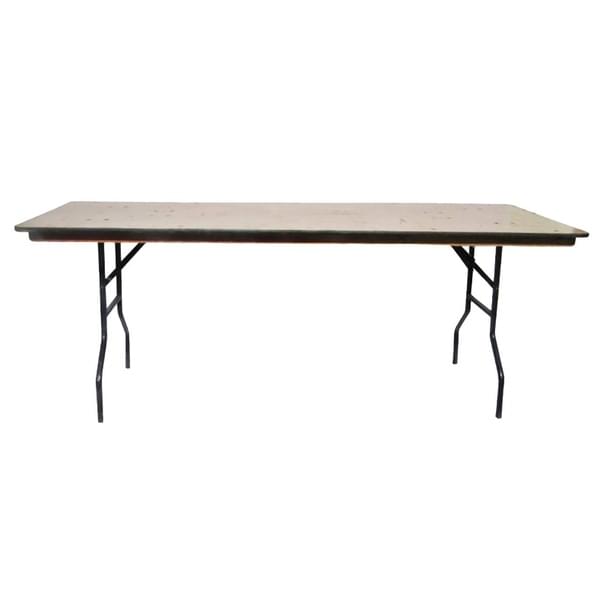
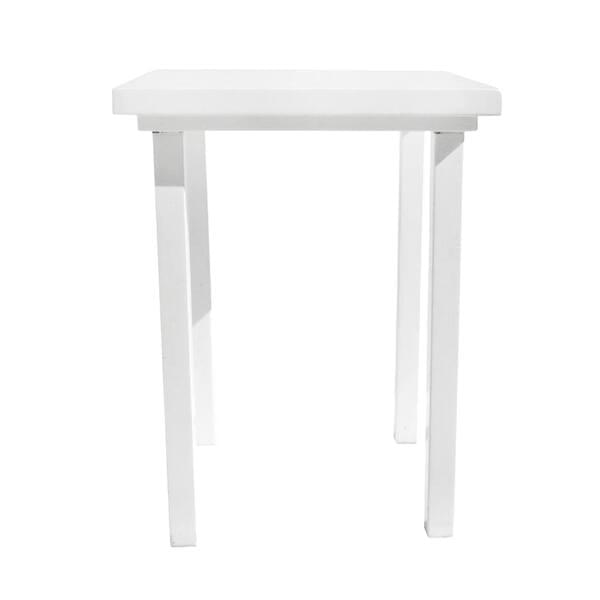
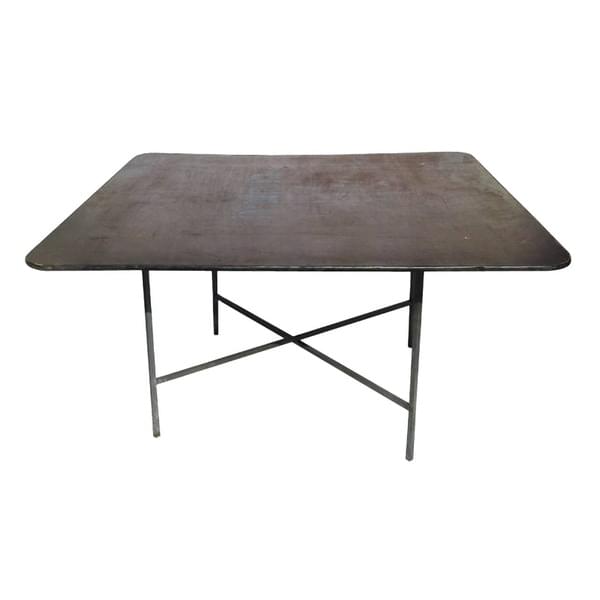
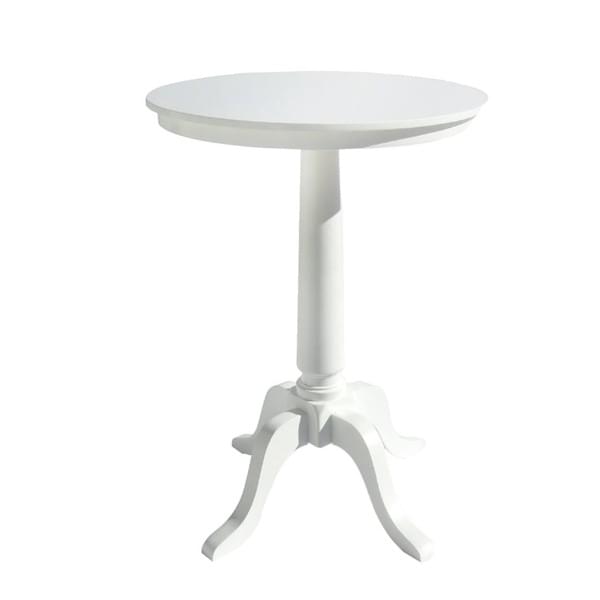
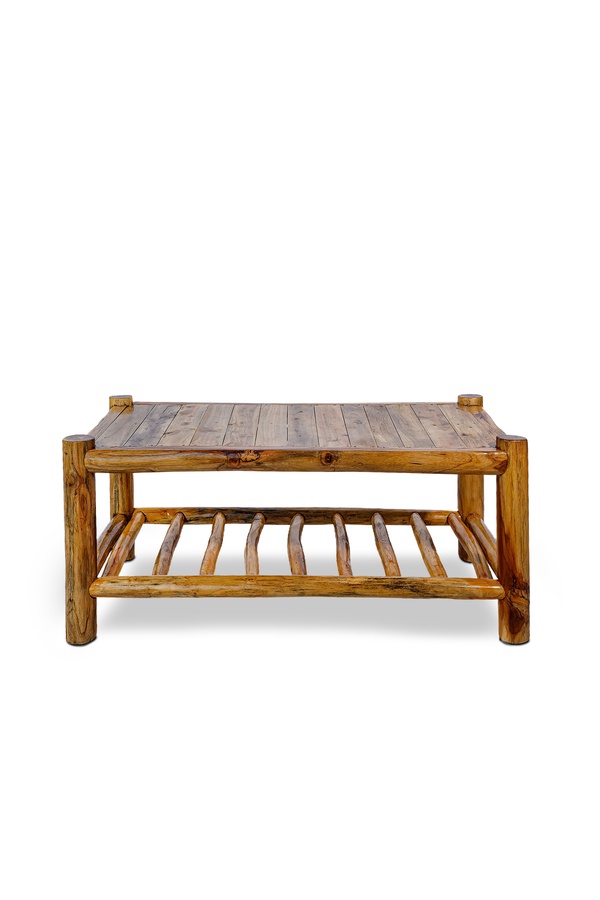
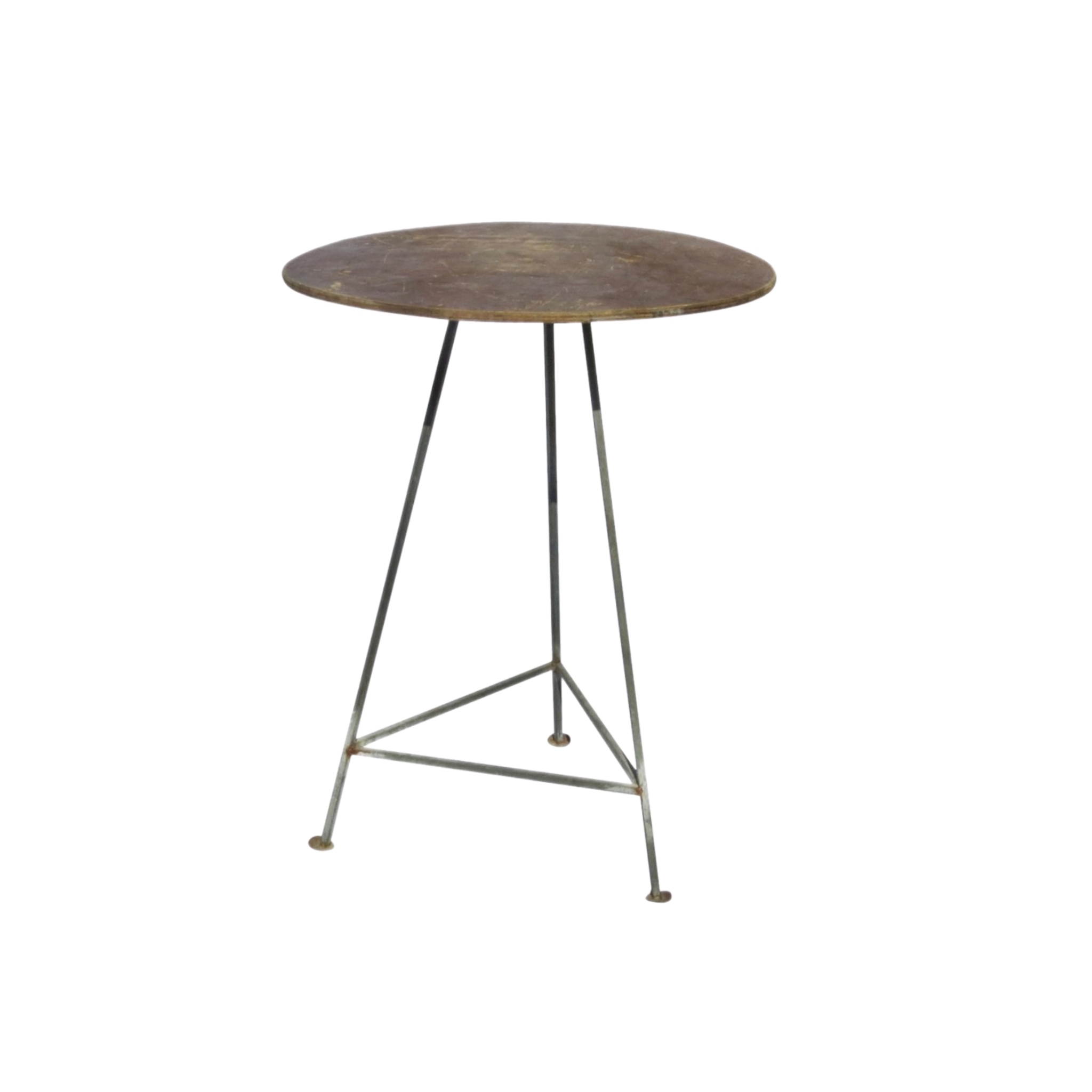
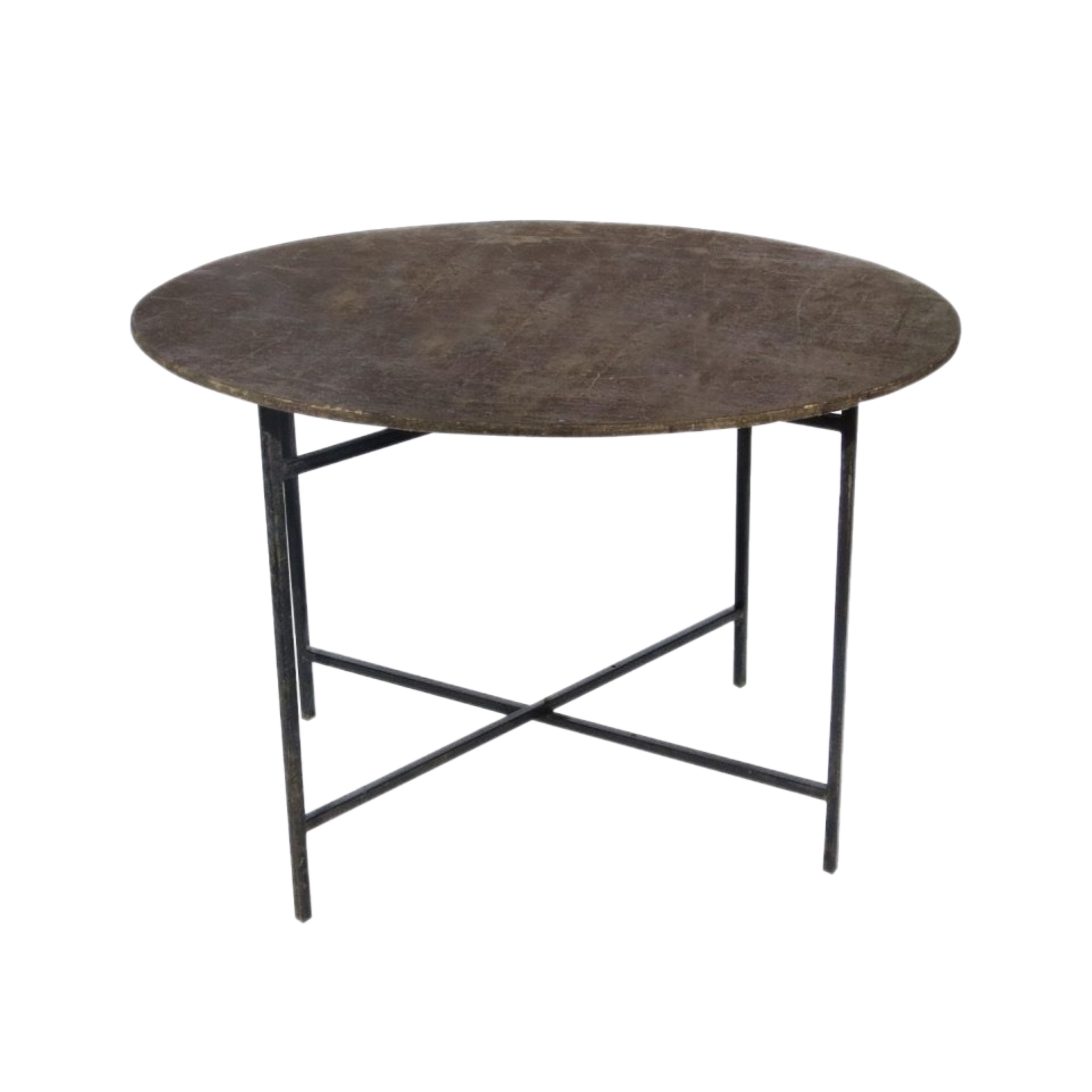
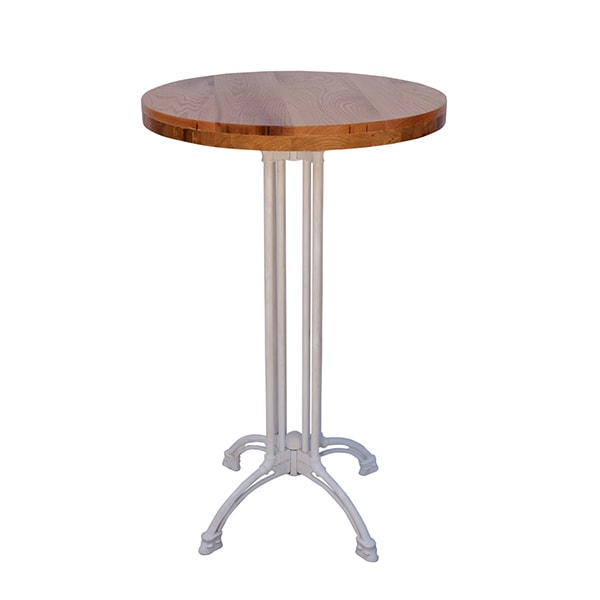
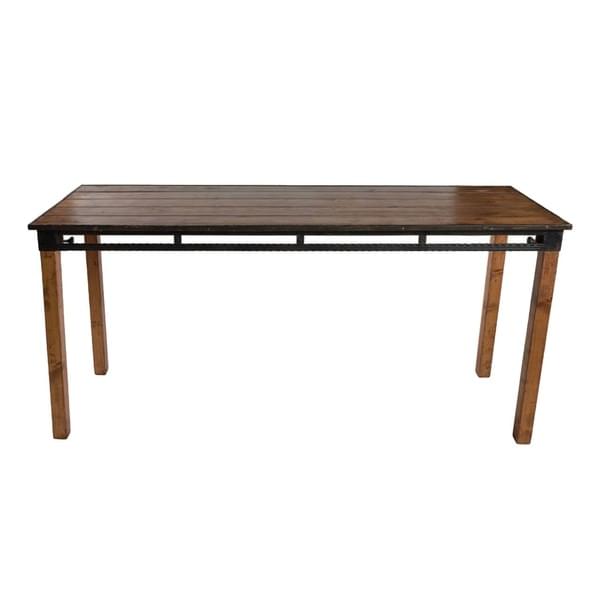
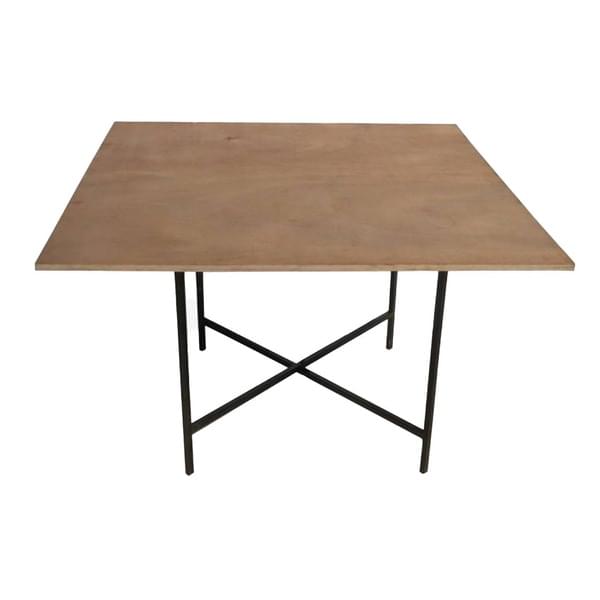
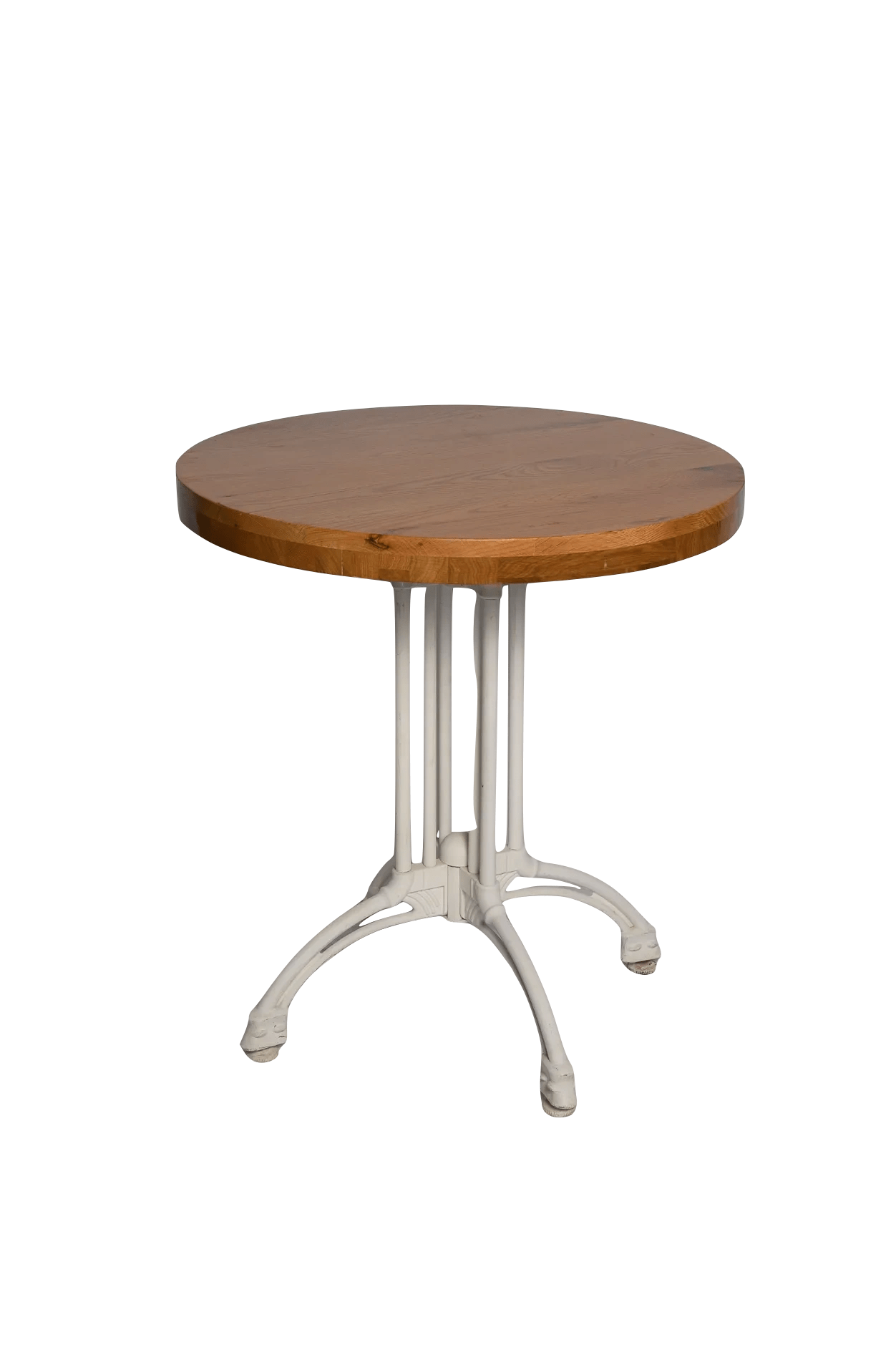
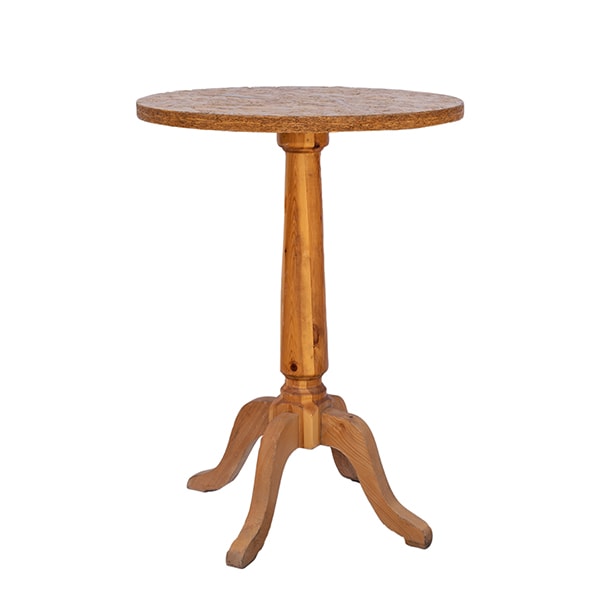
Sugoy Design
123 items
•
₪35 - ₪520
Sorted by popularity
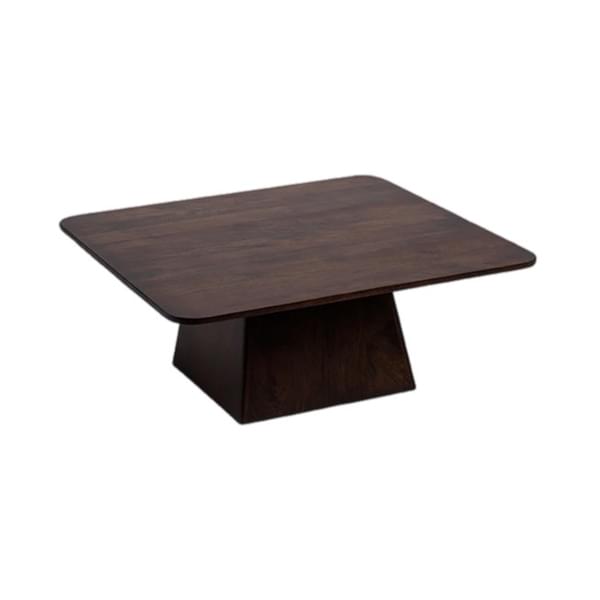
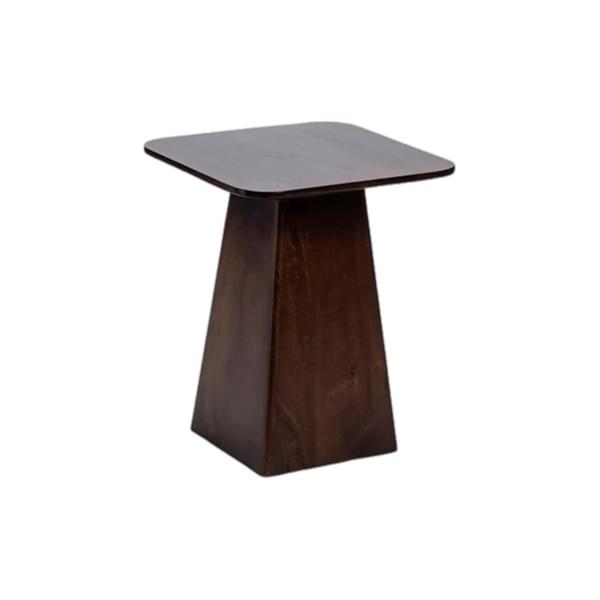
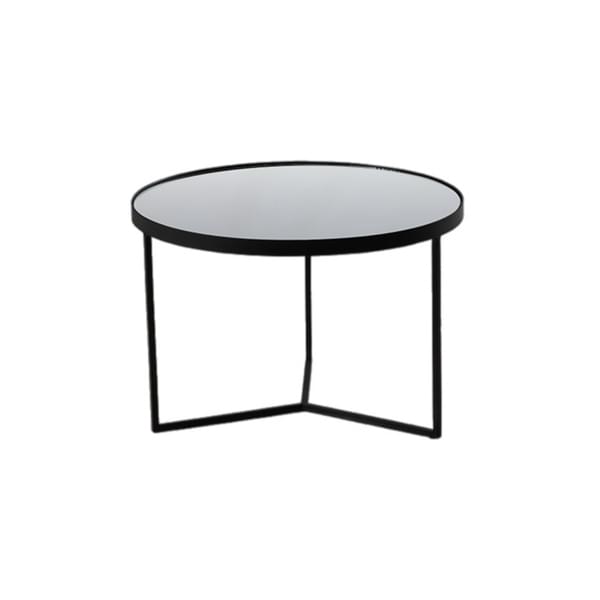
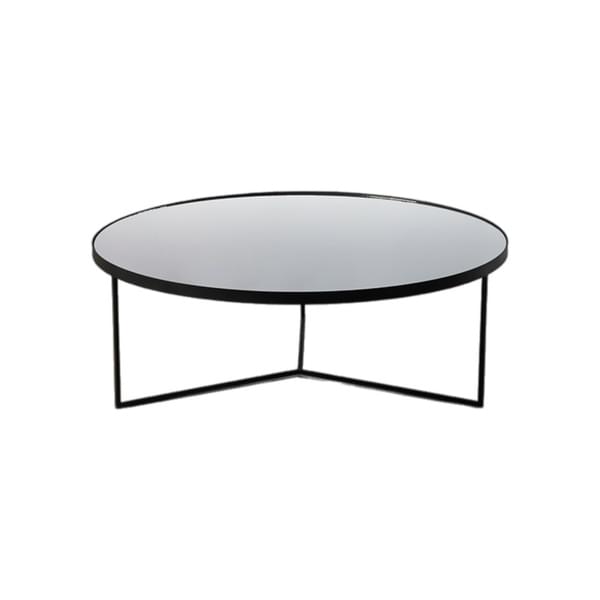
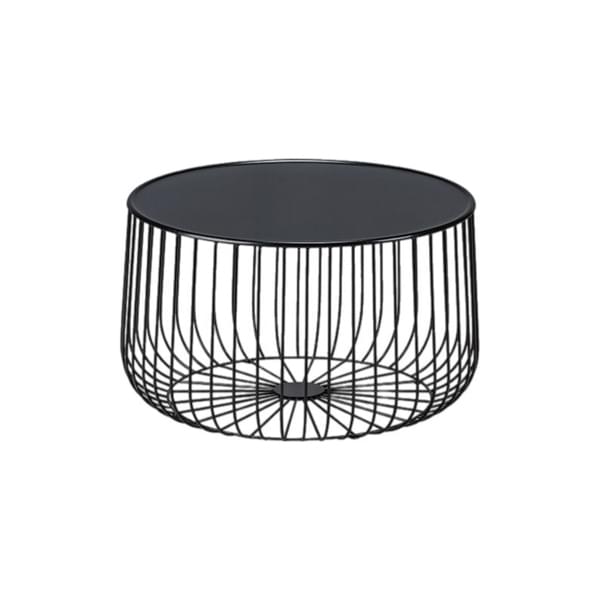
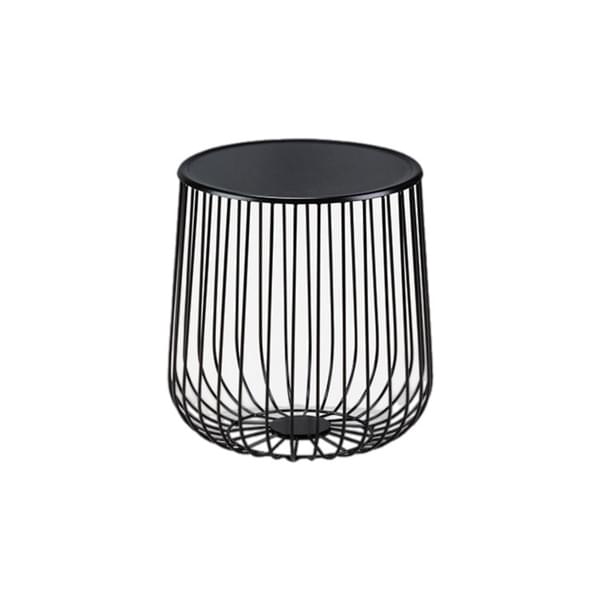
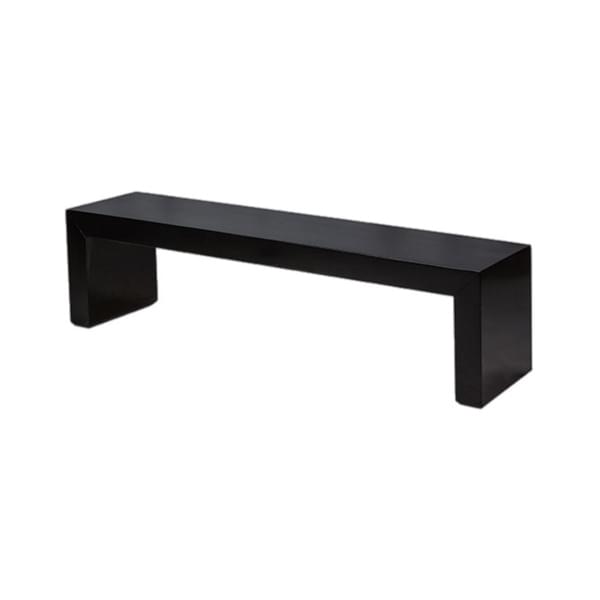
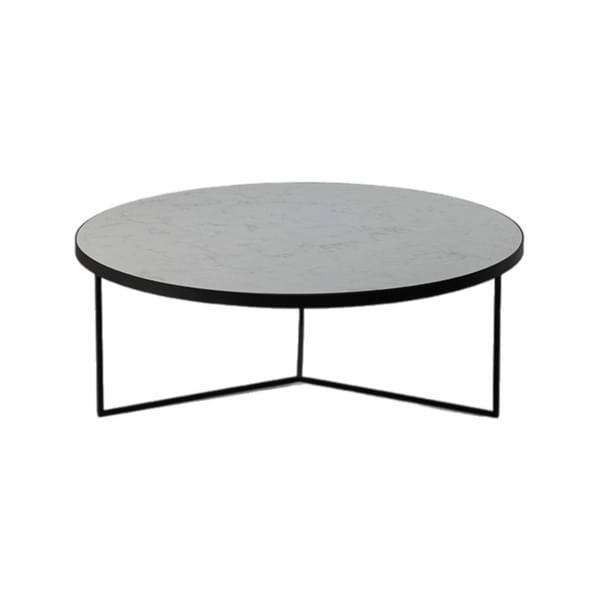
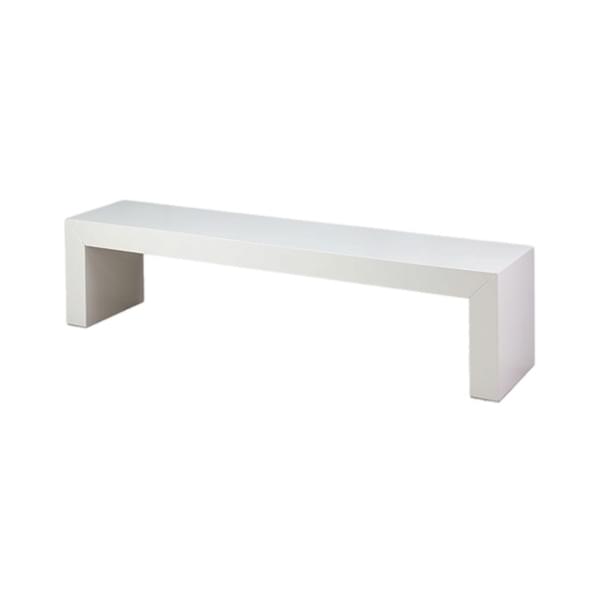
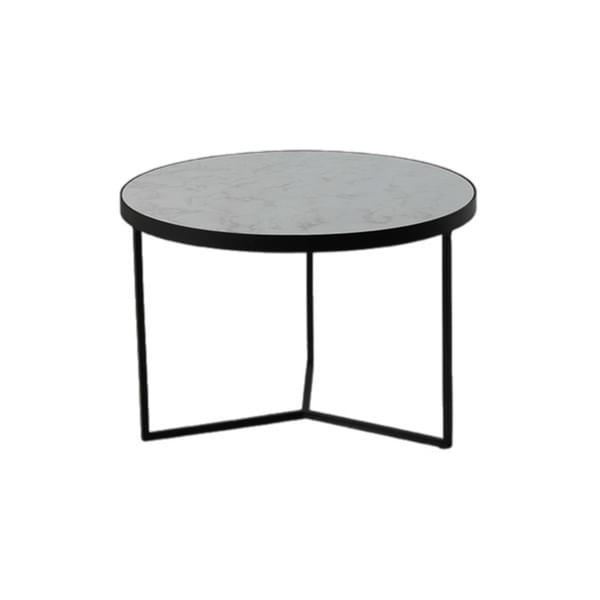
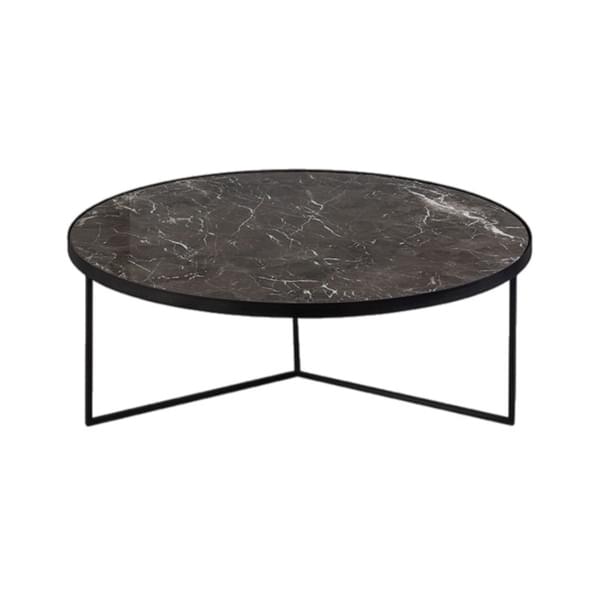
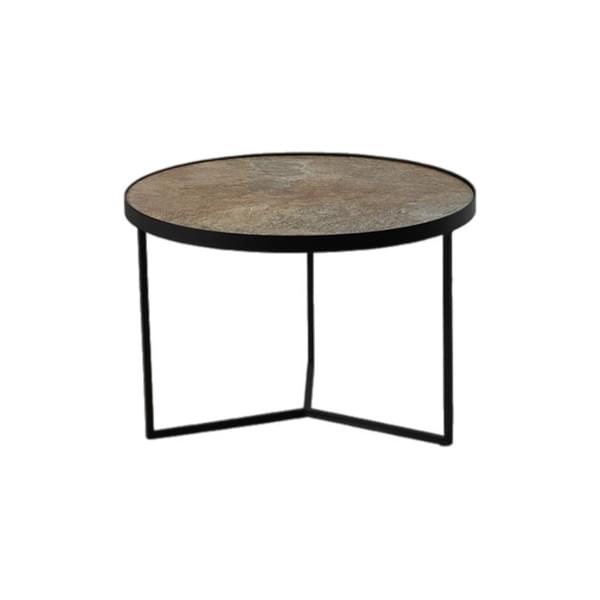
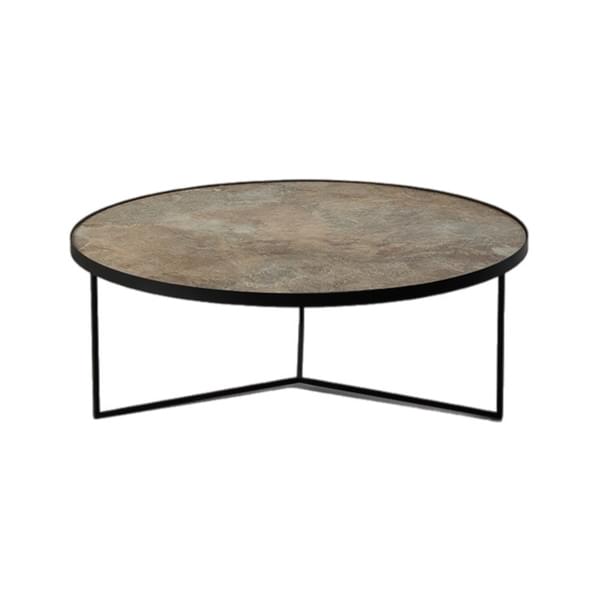
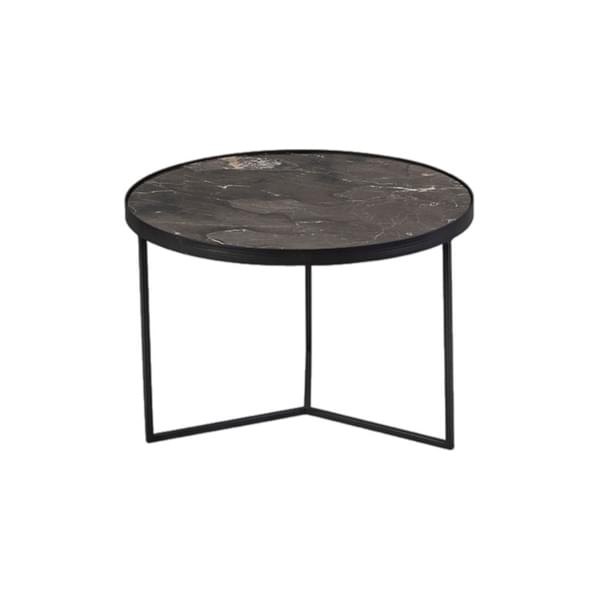
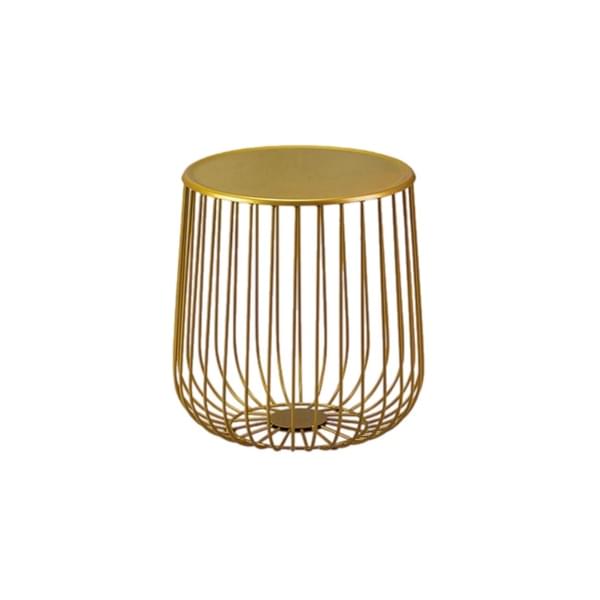
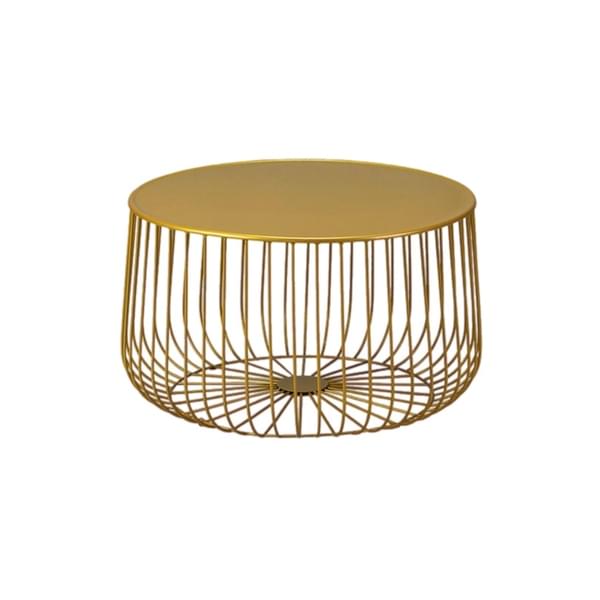
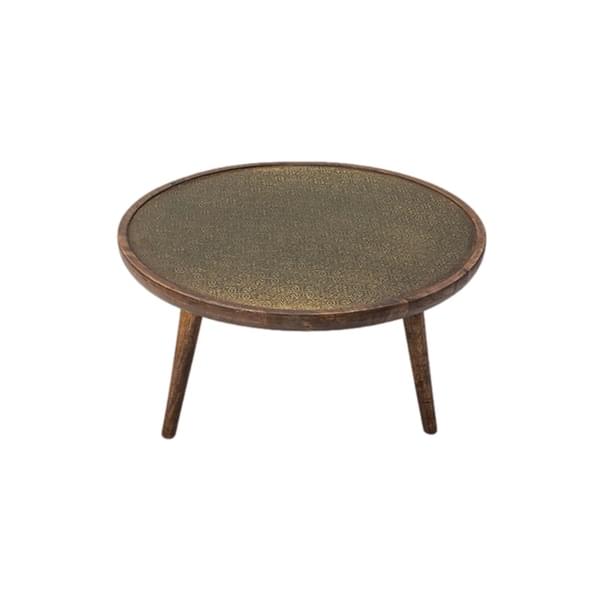
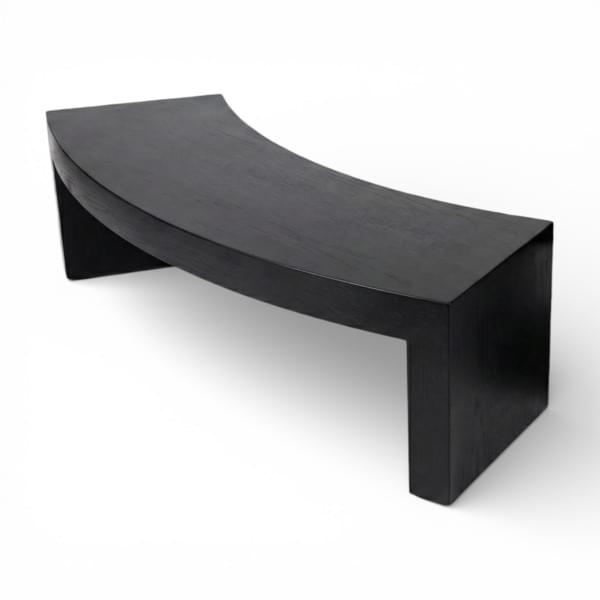
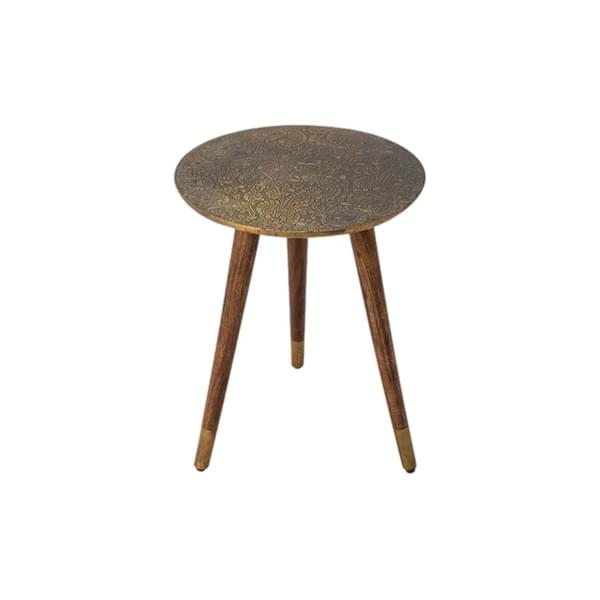
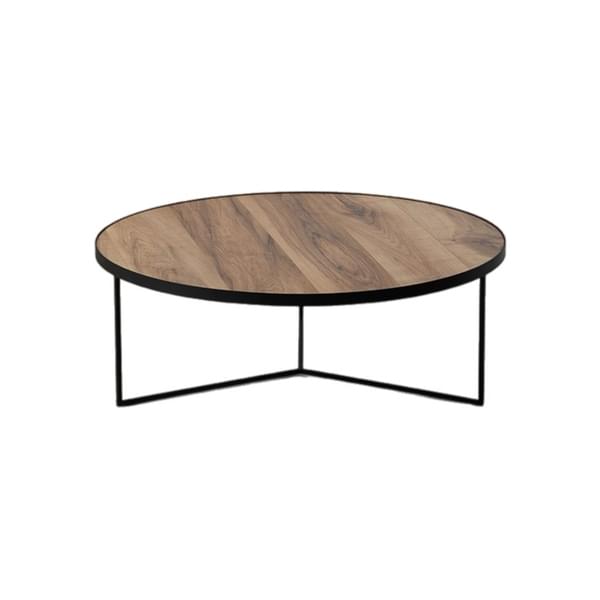
Shanti Eleganti
123 items
•
₪0 - ₪400
Sorted by popularity
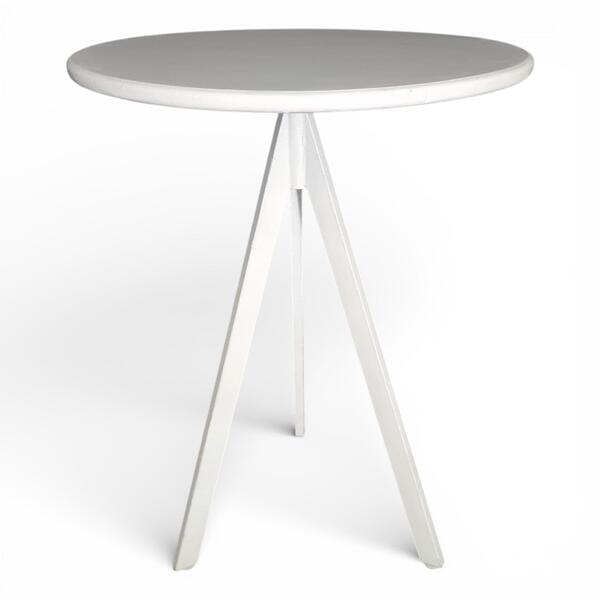
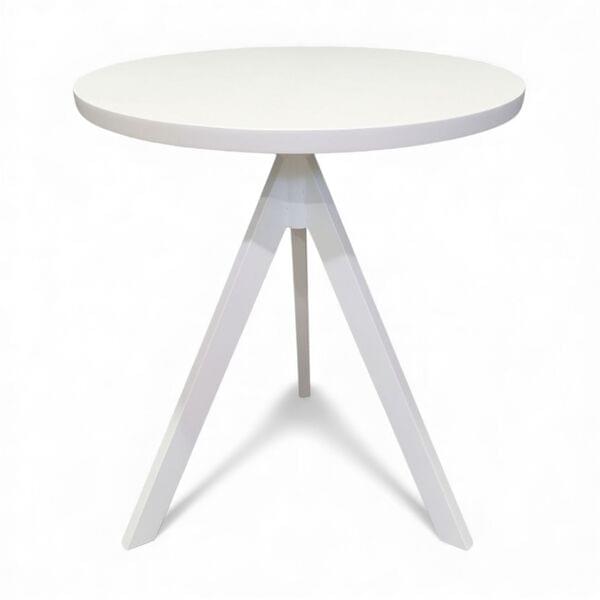
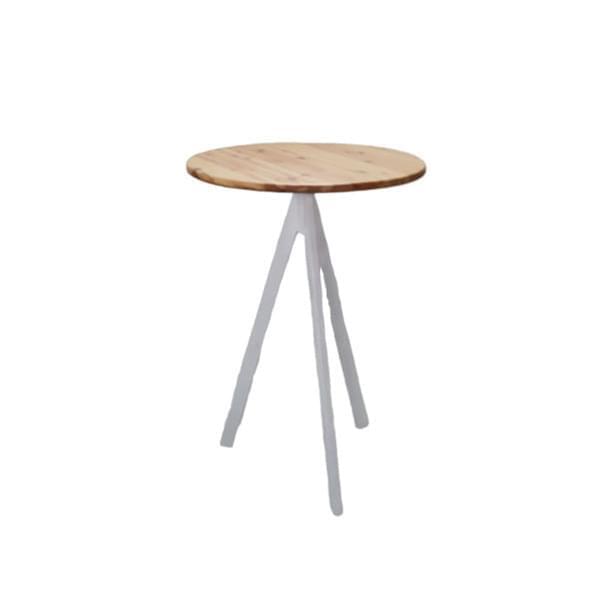
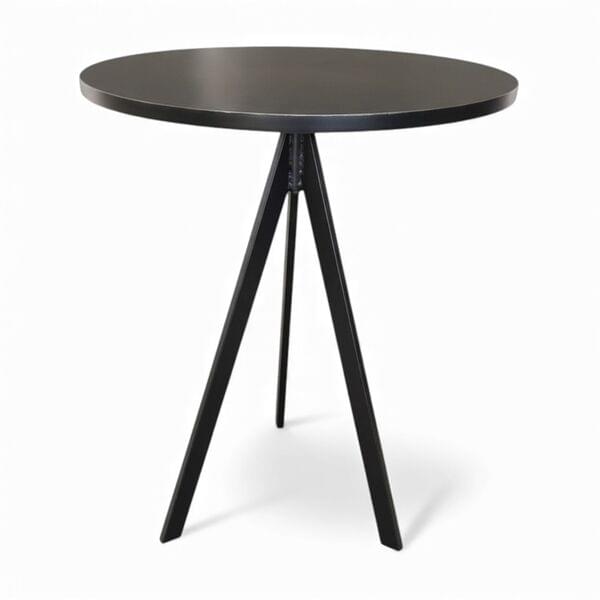

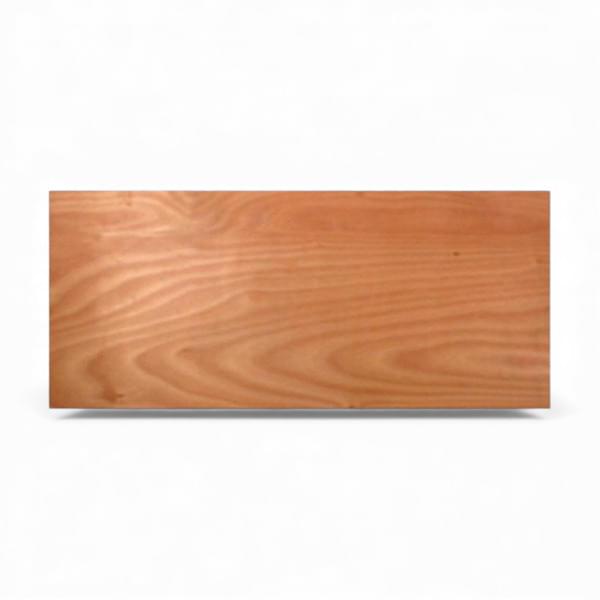
.jpg)
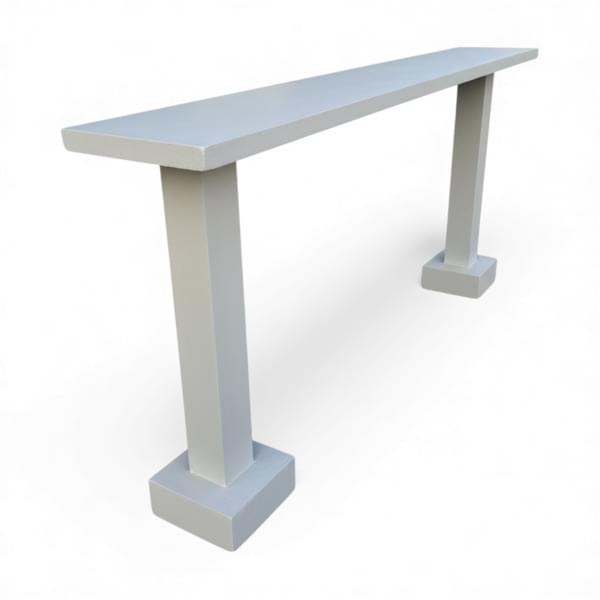
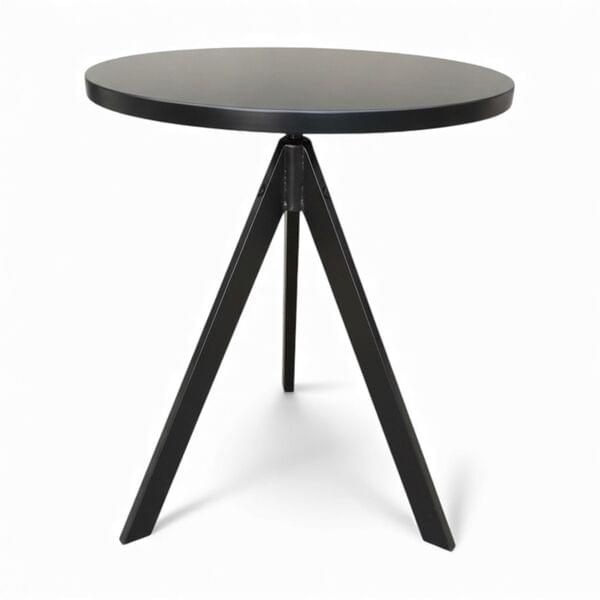
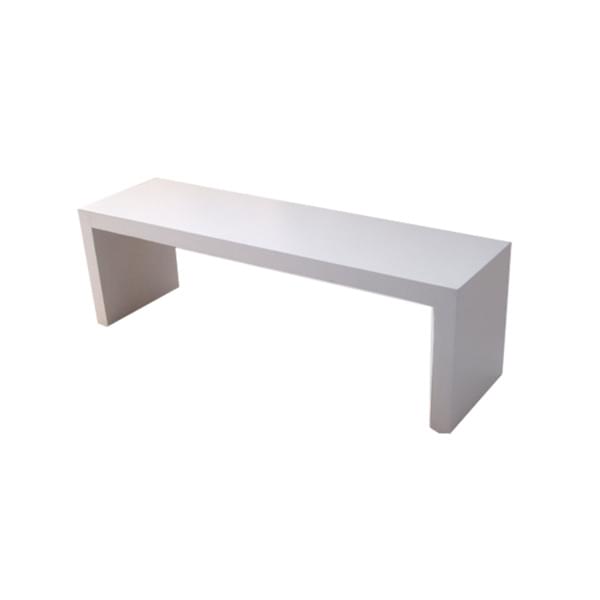
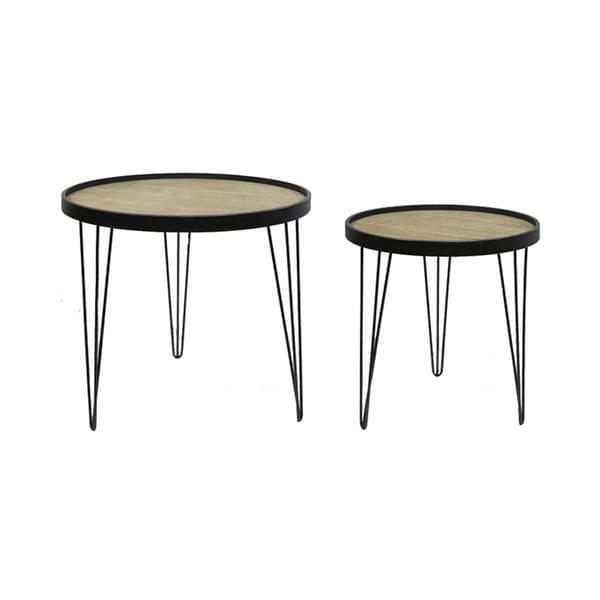
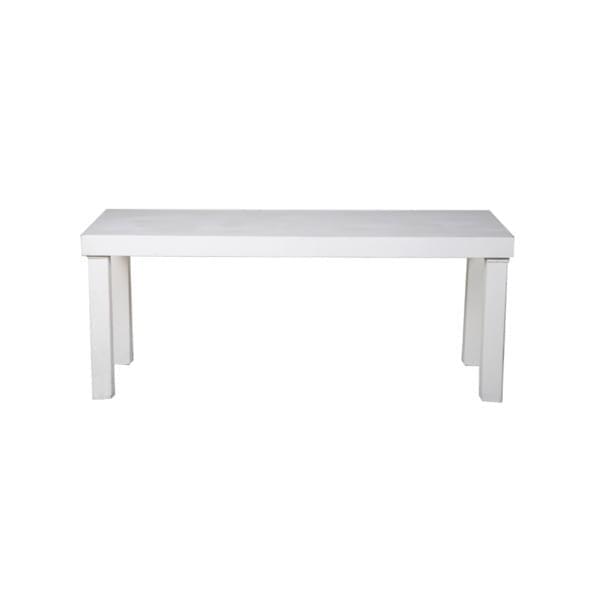
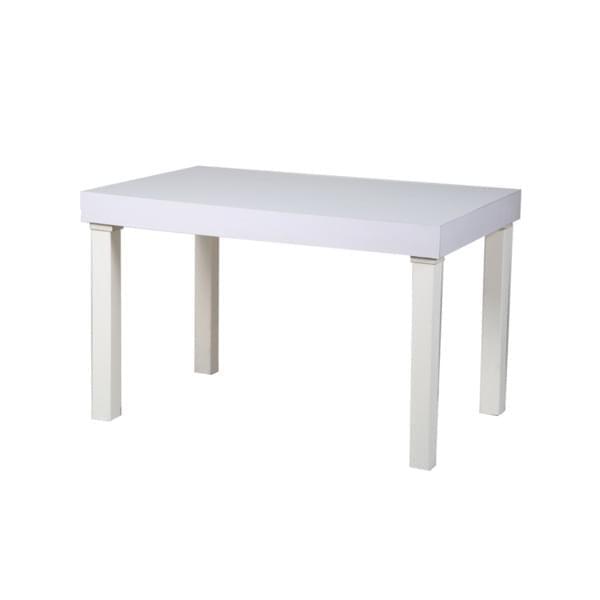
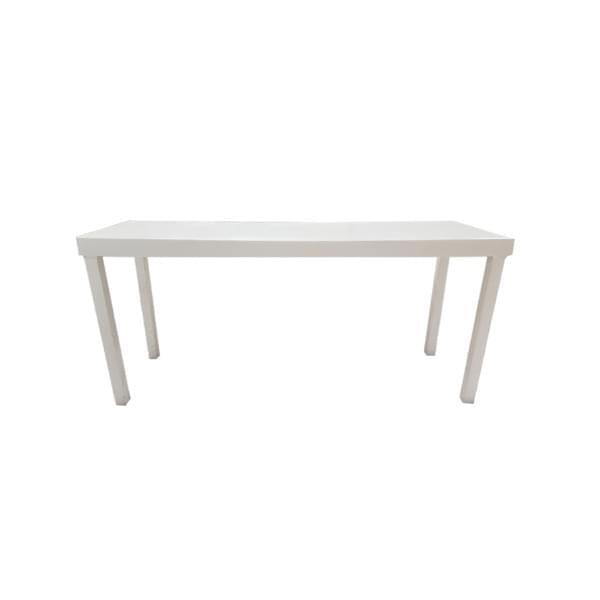
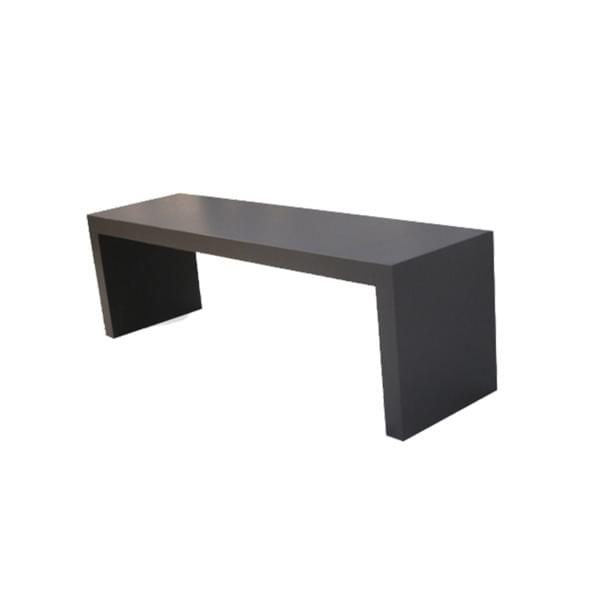
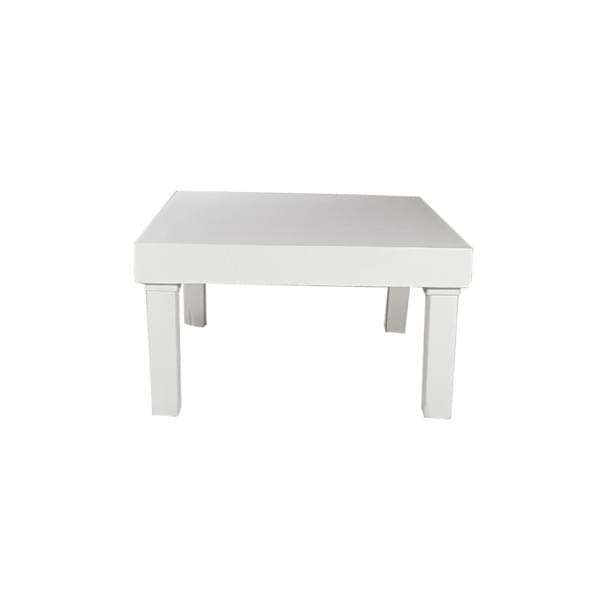
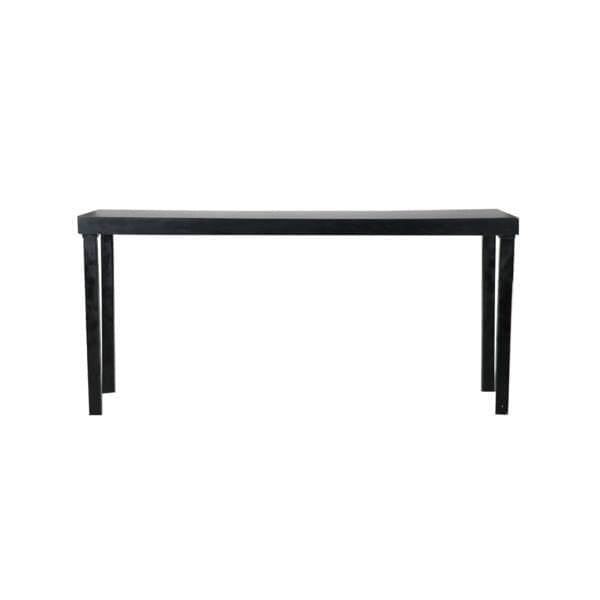
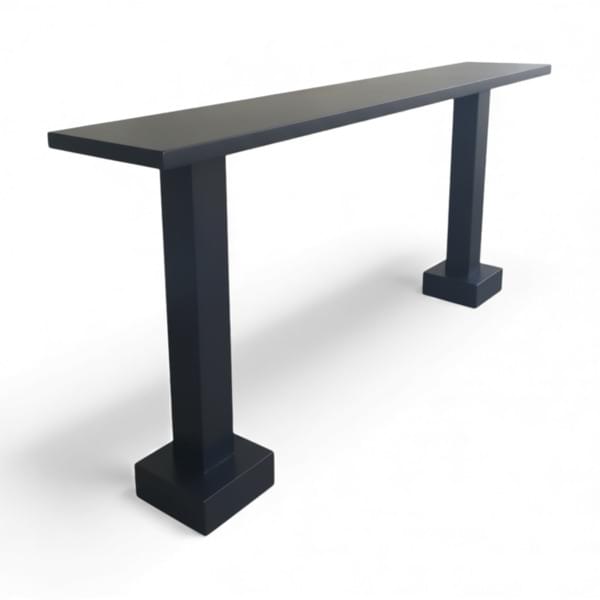
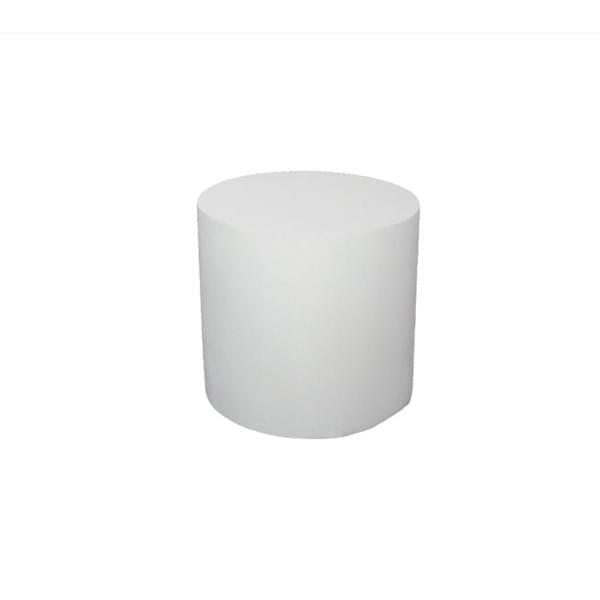
Diamond
86 items
•
₪0 - ₪900
Sorted by popularity
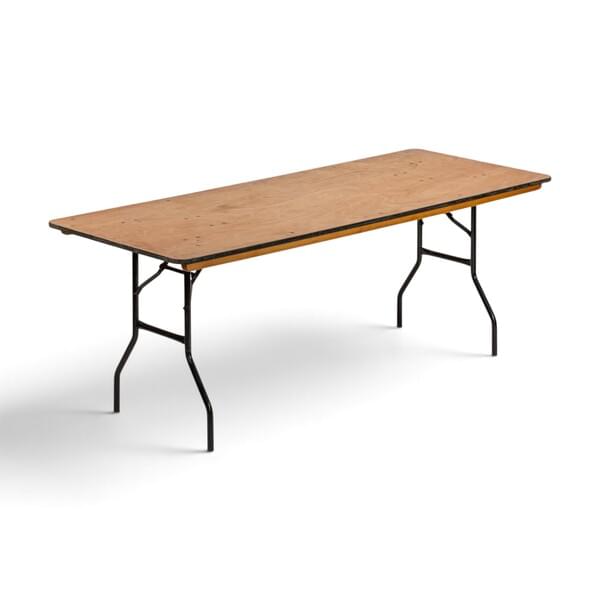
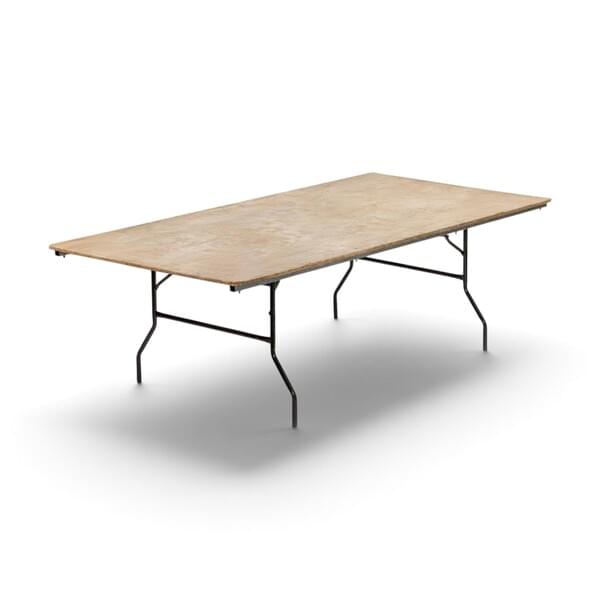
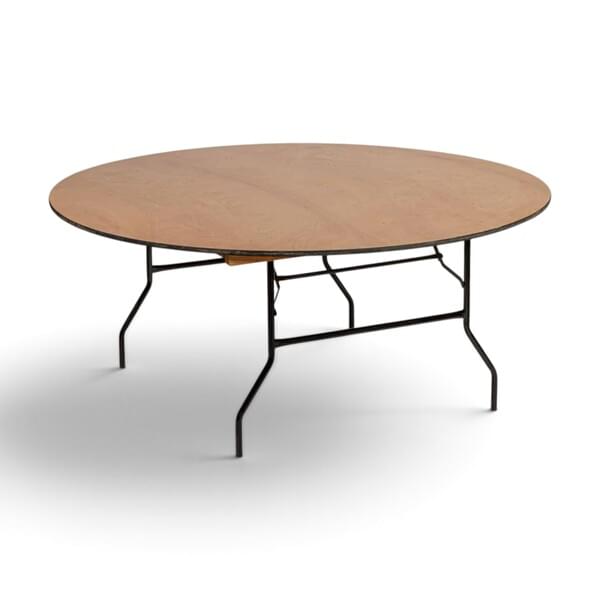
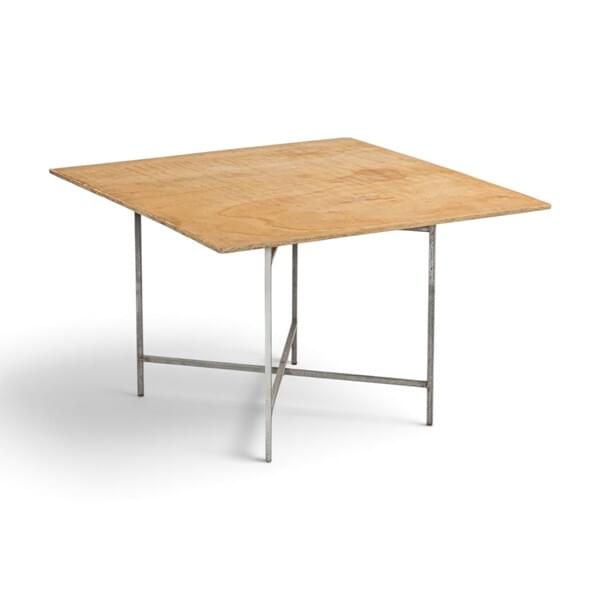
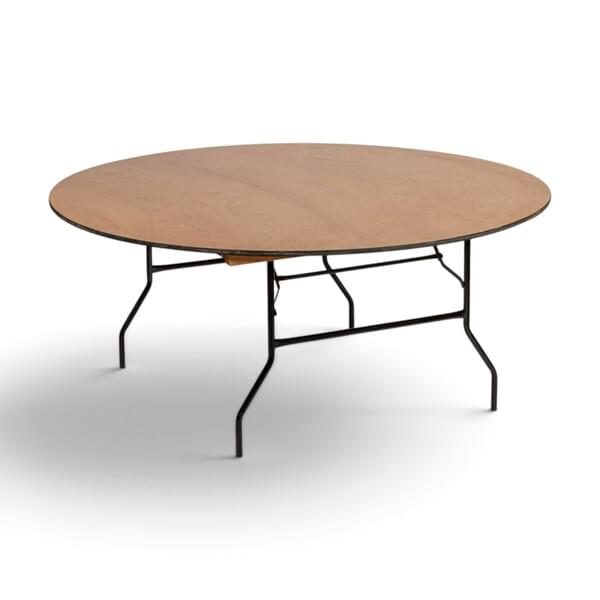
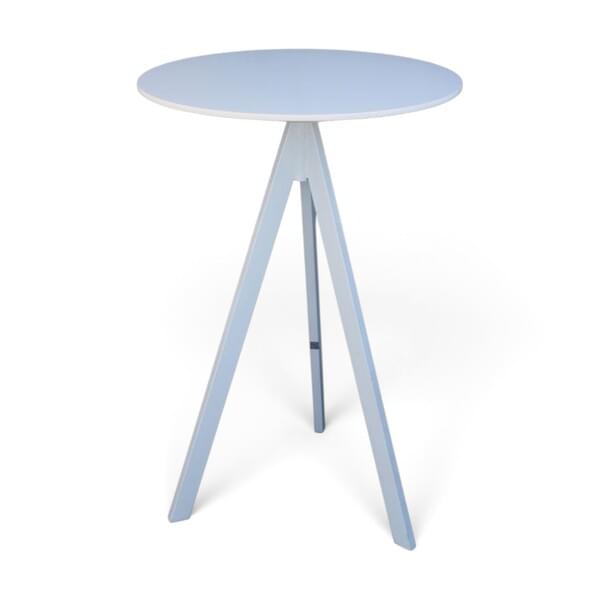
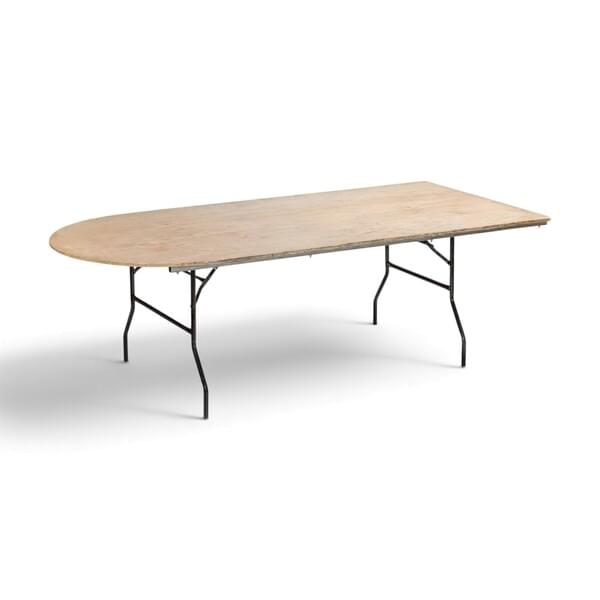
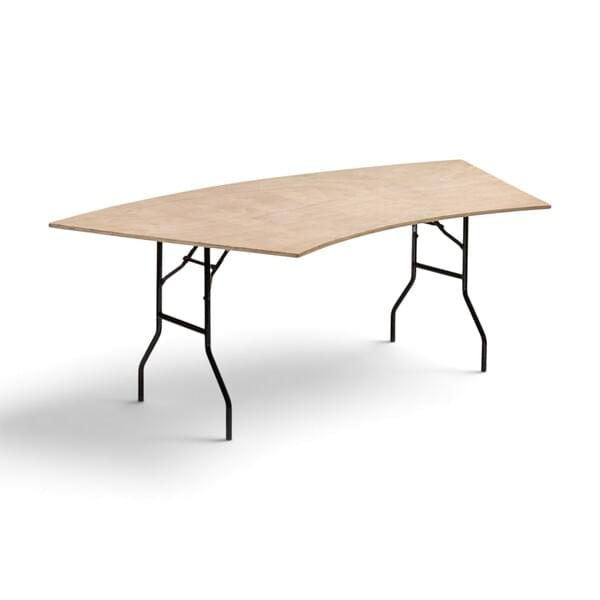
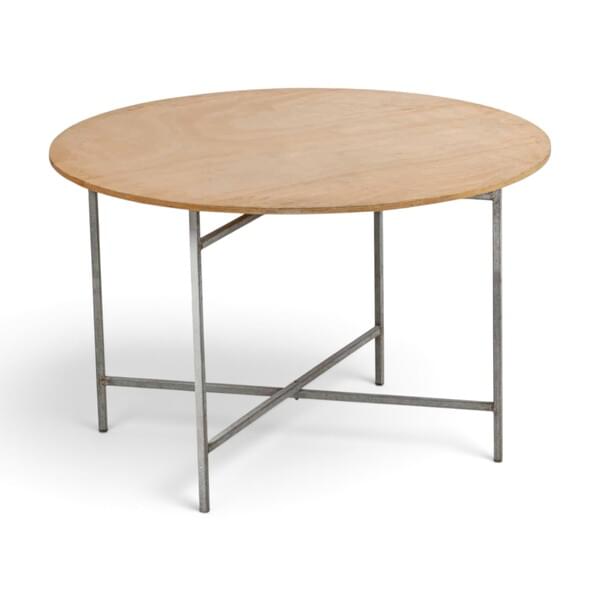
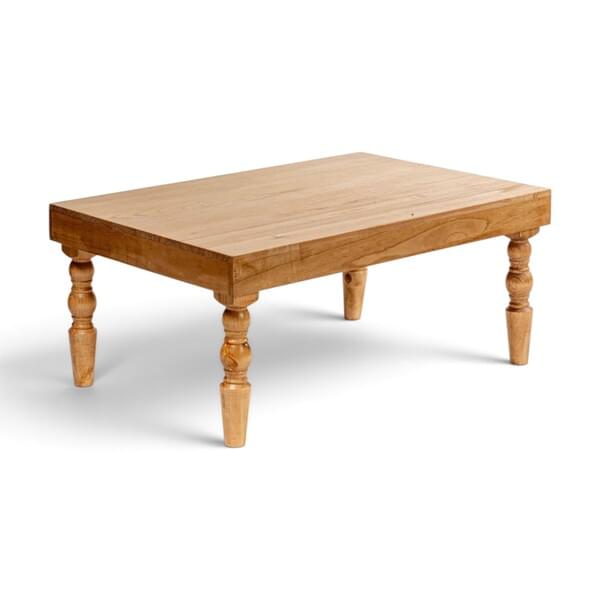
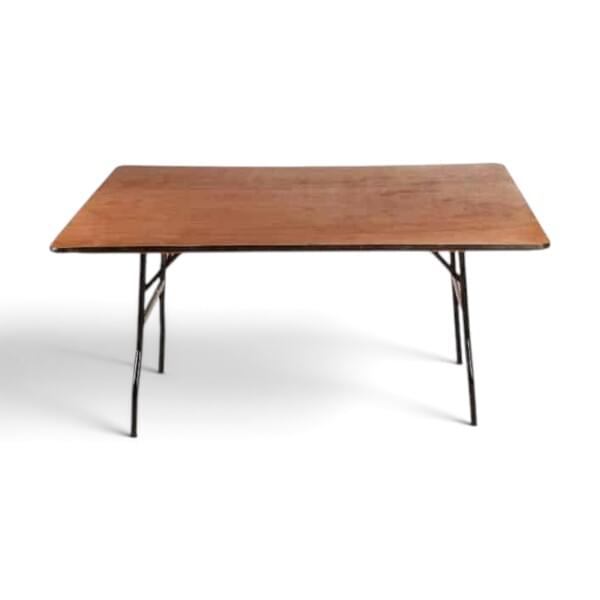
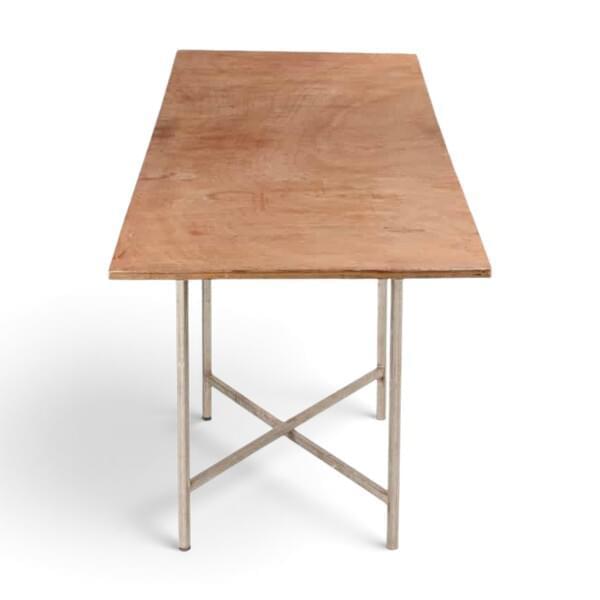
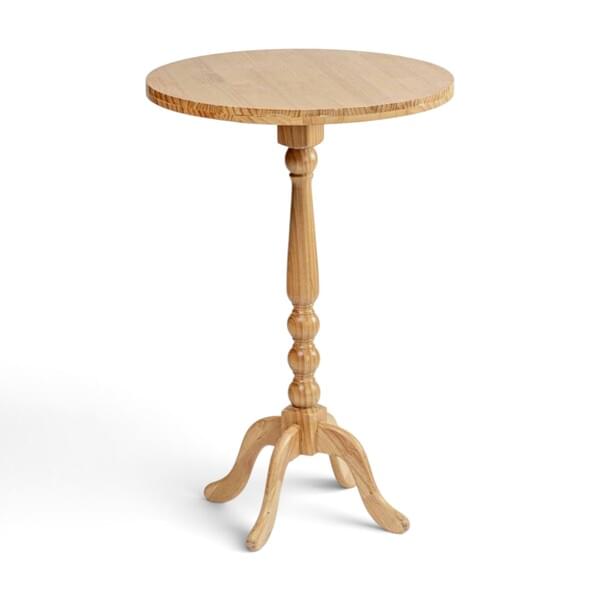
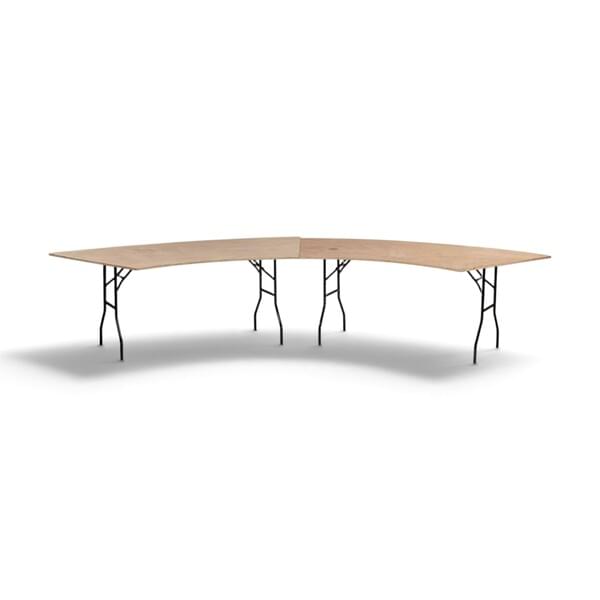
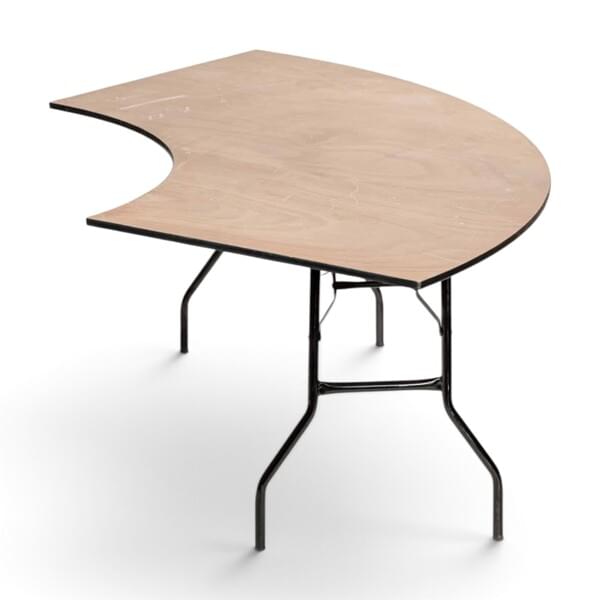
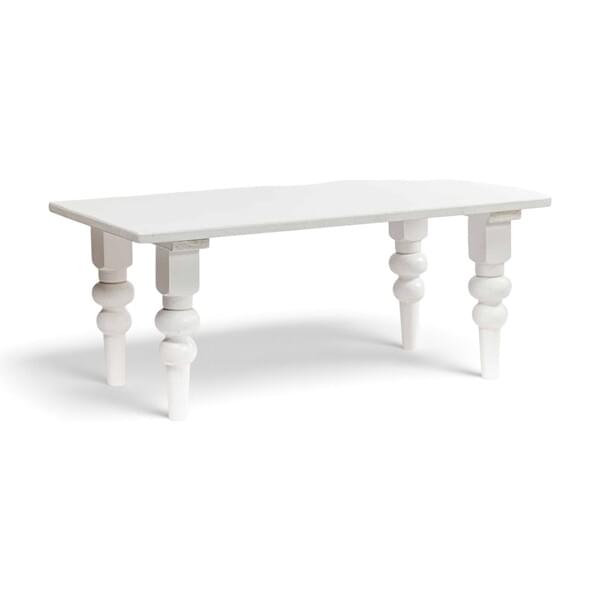
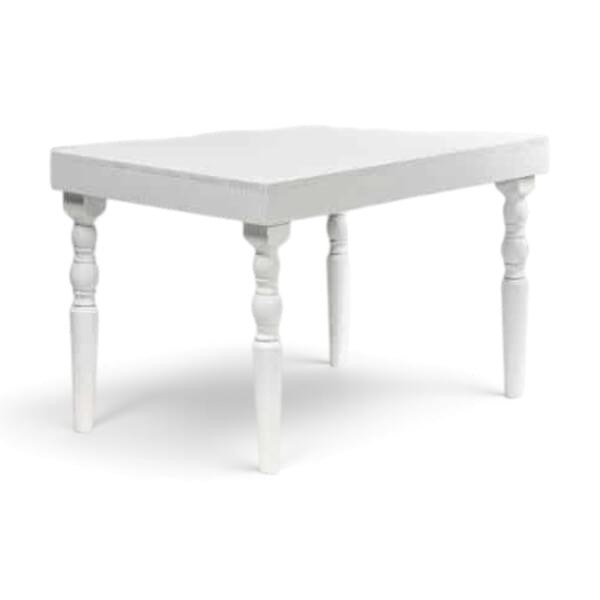
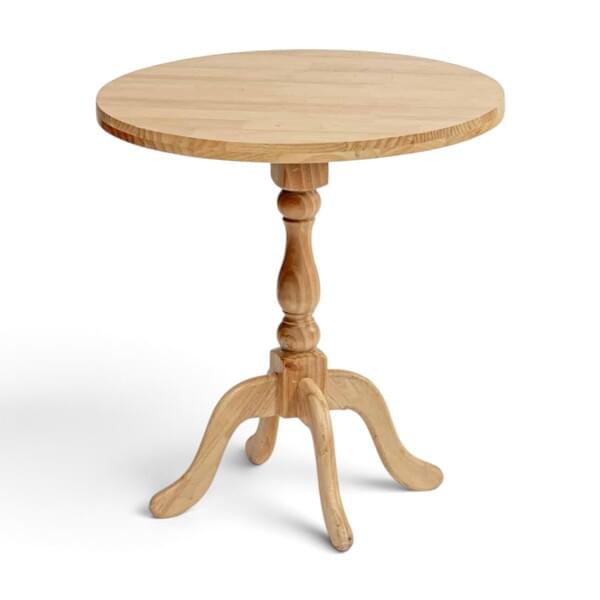
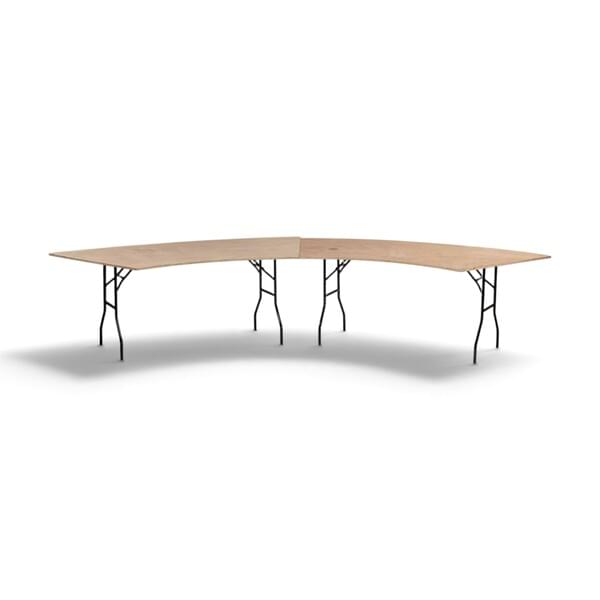
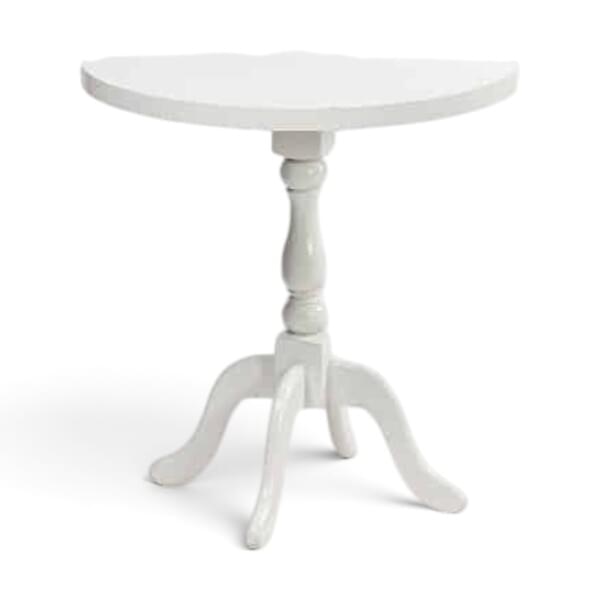
Karma
השכרת ציוד בוטיק לאירועים
81 items
•
₪25 - ₪220
Sorted by popularity
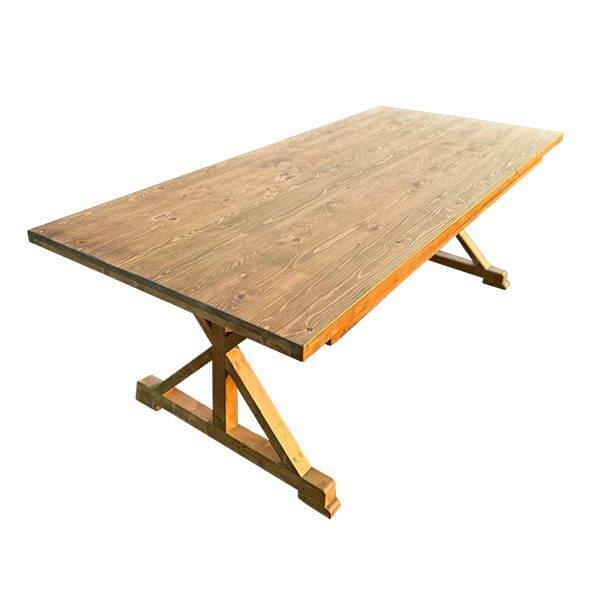
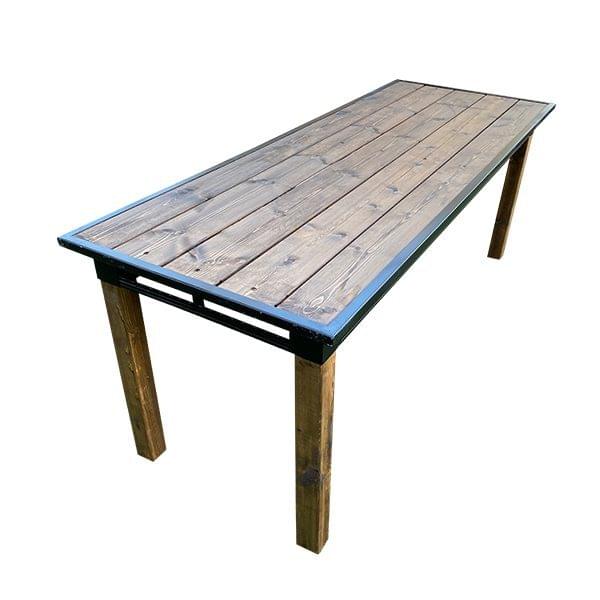
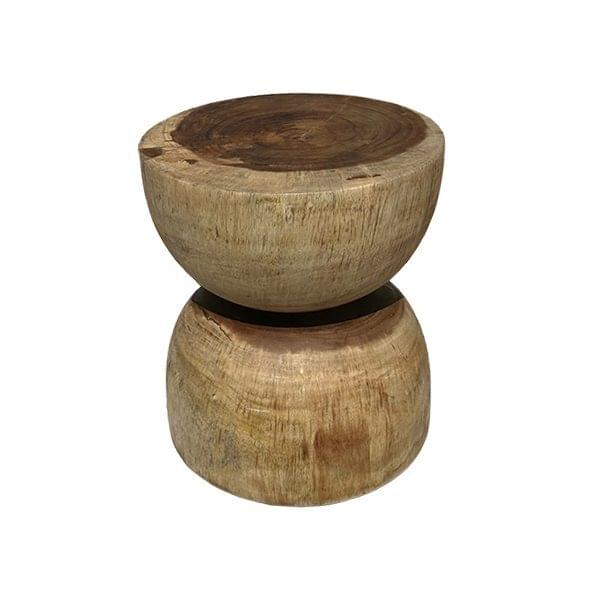
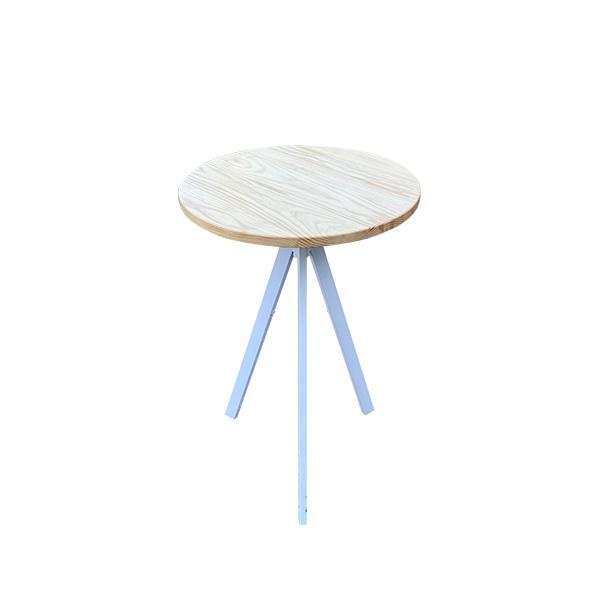
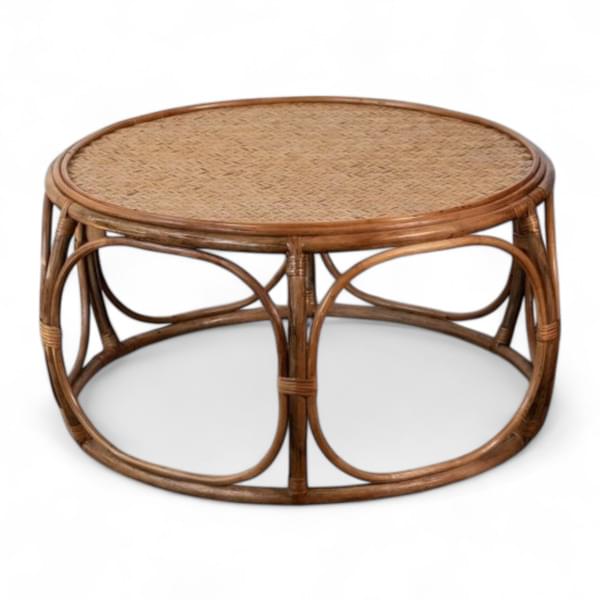
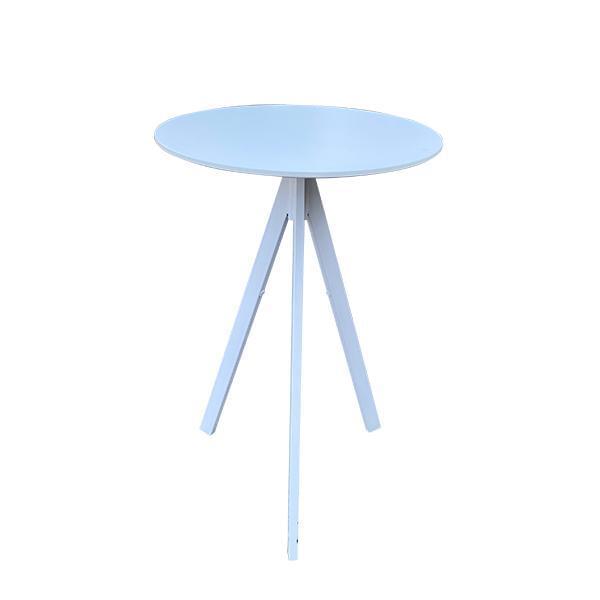
Mr-Mor
31 items
•
₪20 - ₪225
Sorted by popularity
_1.jpg)
Tamir Aruim
ציוד כשר לאירועים
28 items
•
₪25 - ₪250
Sorted by popularity
.jpg)
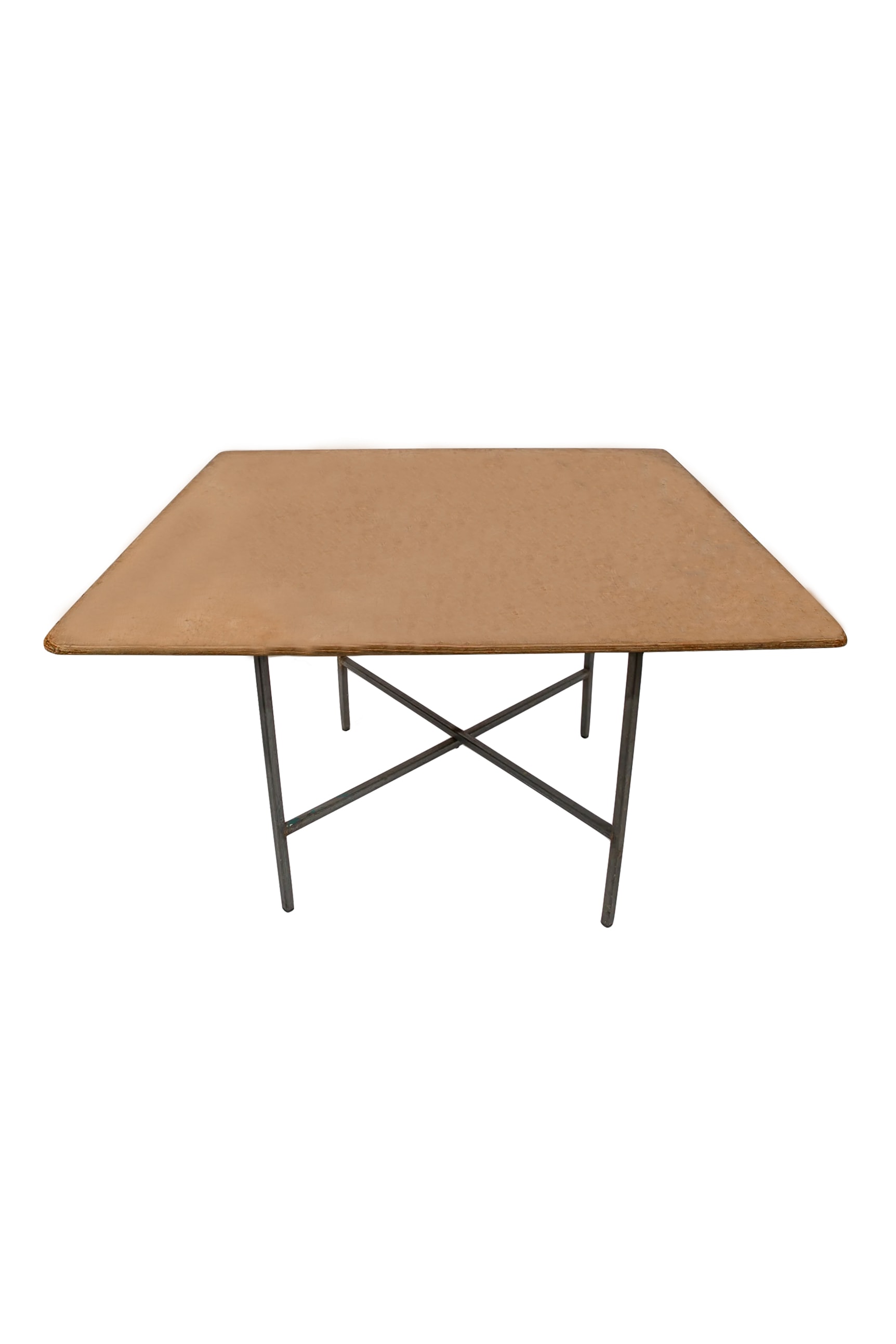
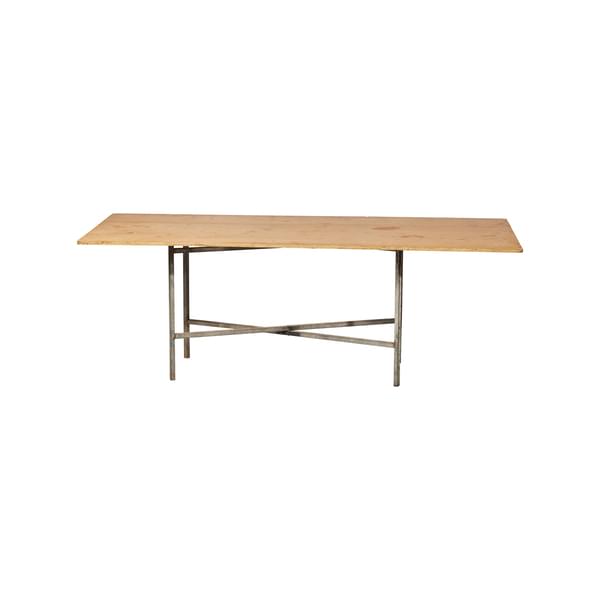
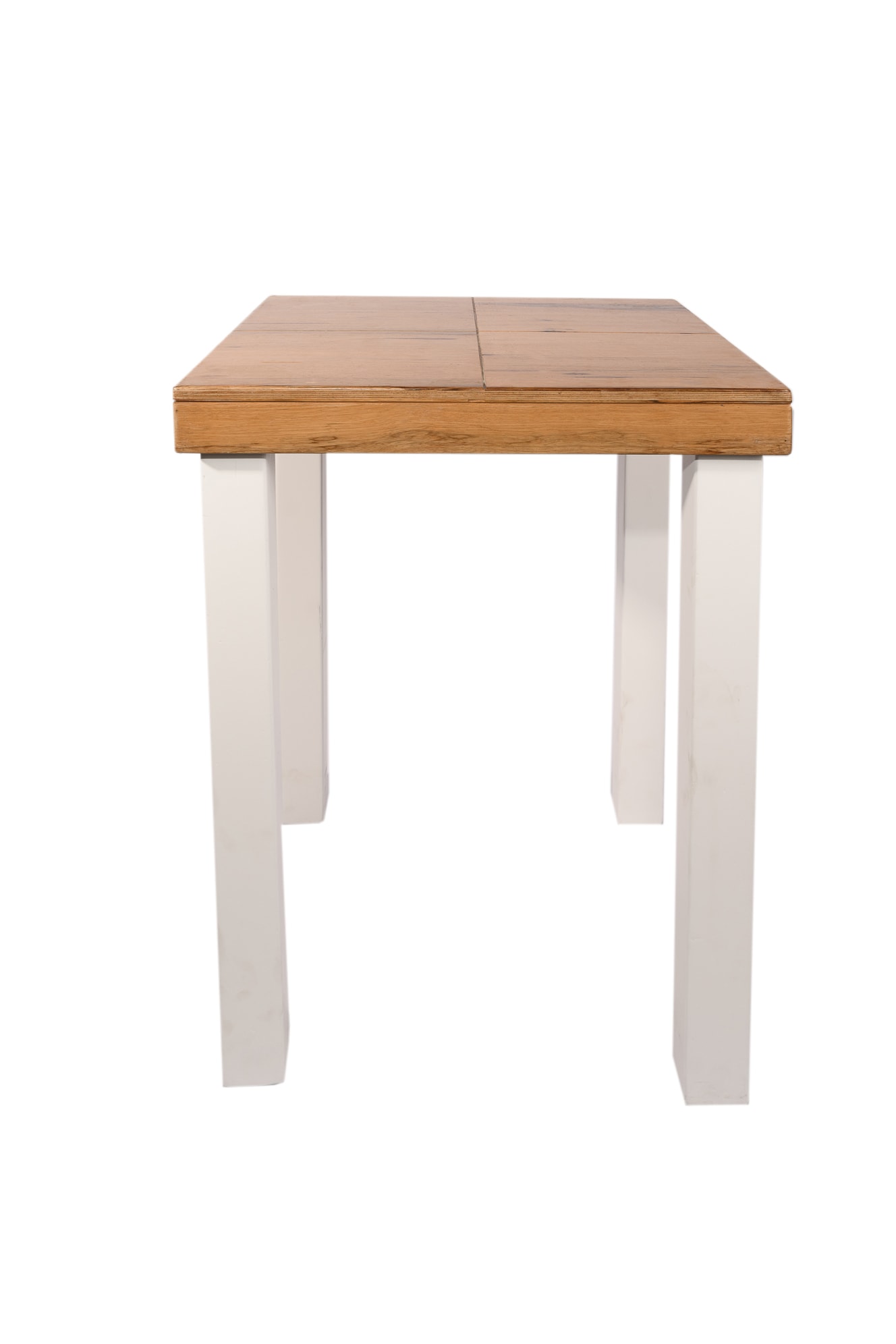
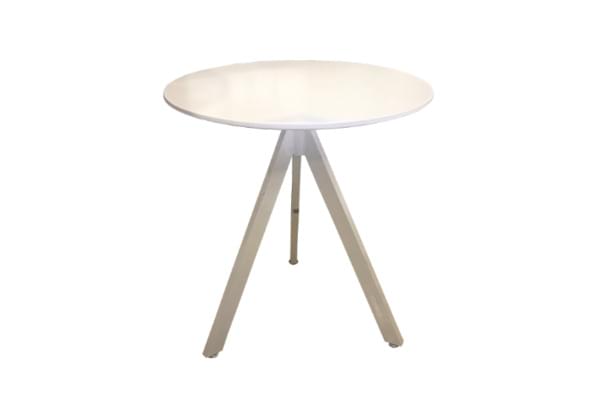


Anwar
השכרת ציוד לאירועים Rent your event
24 items
•
₪25 - ₪150
Sorted by popularity
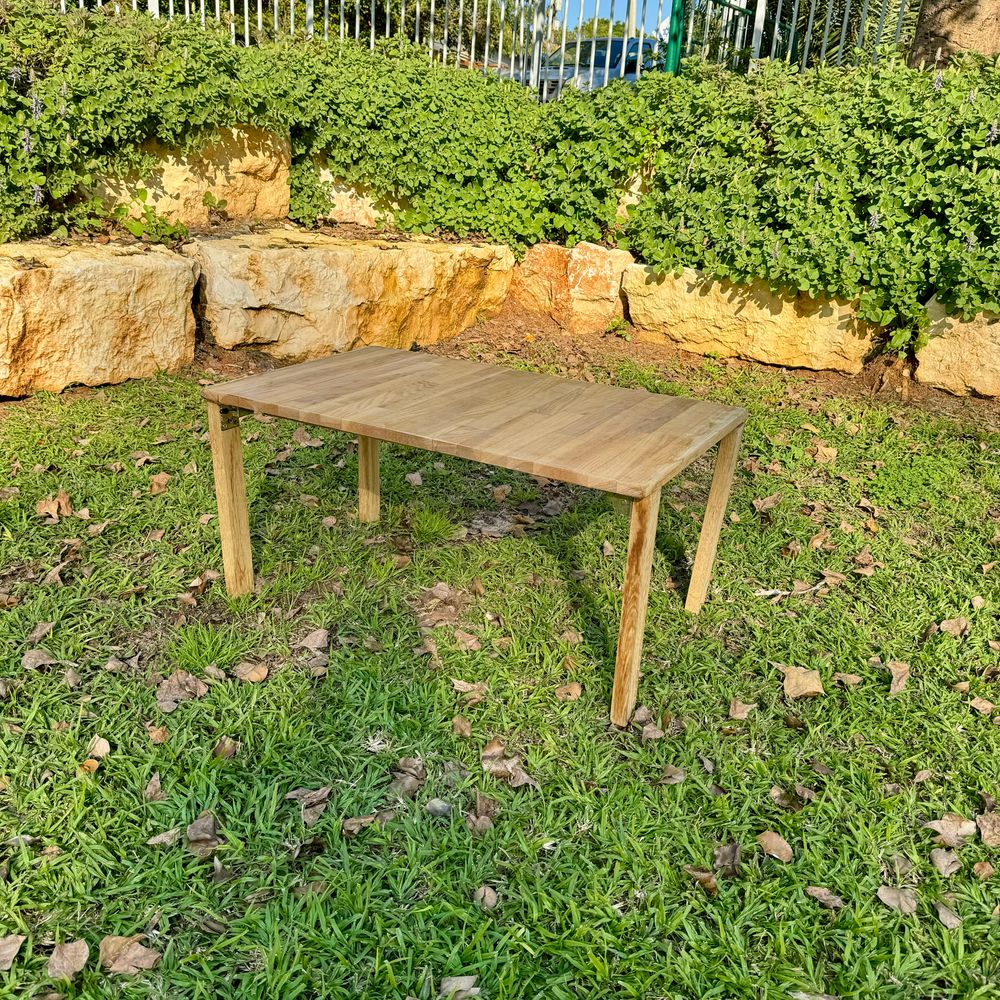
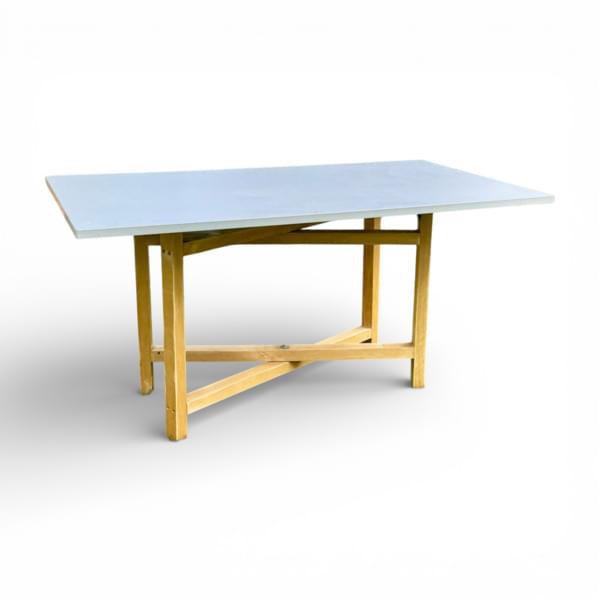
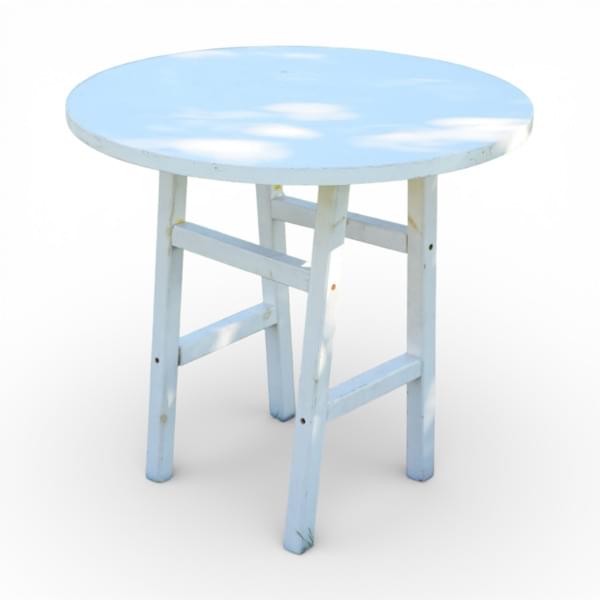
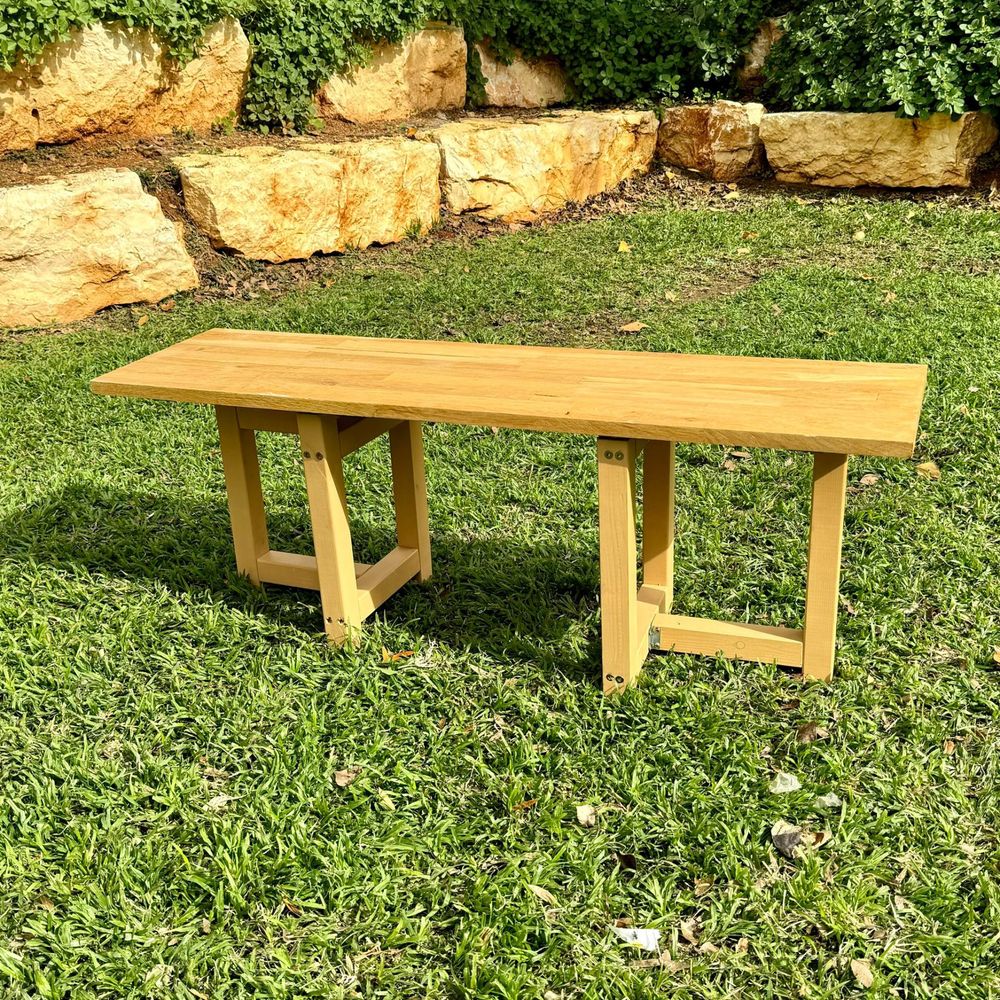
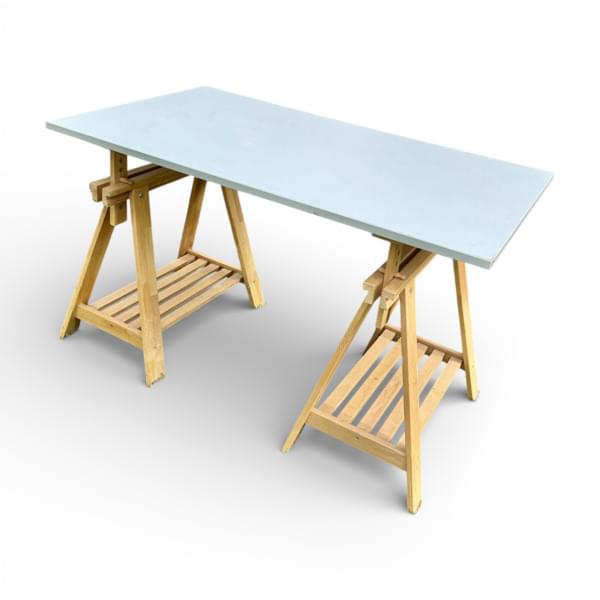
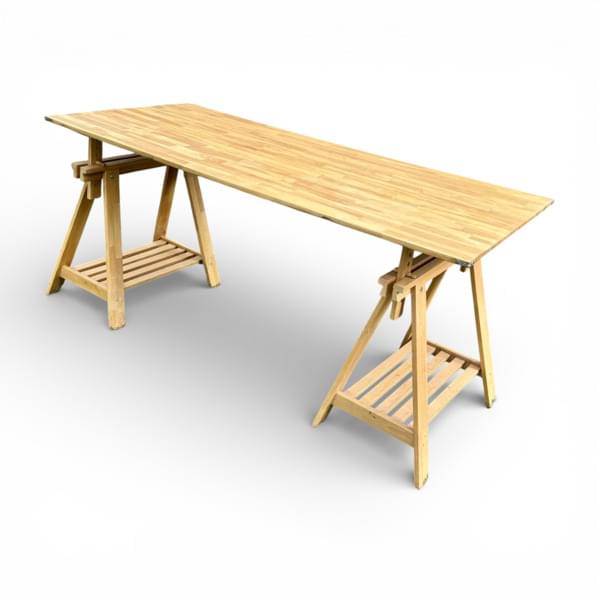
Galore Events
השכרת ציוד וכלים לאירועים
17 items
•
₪30 - ₪200
Sorted by popularity
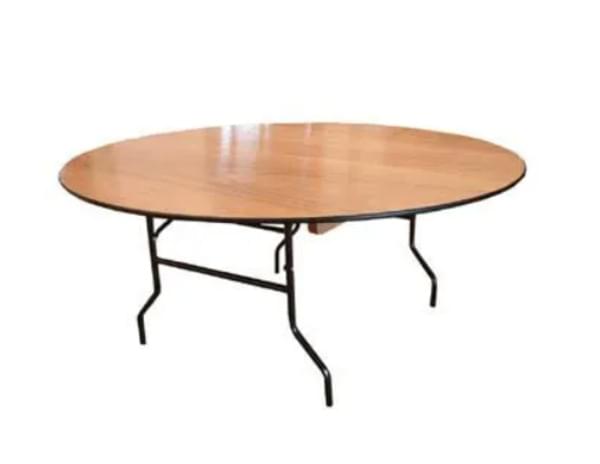
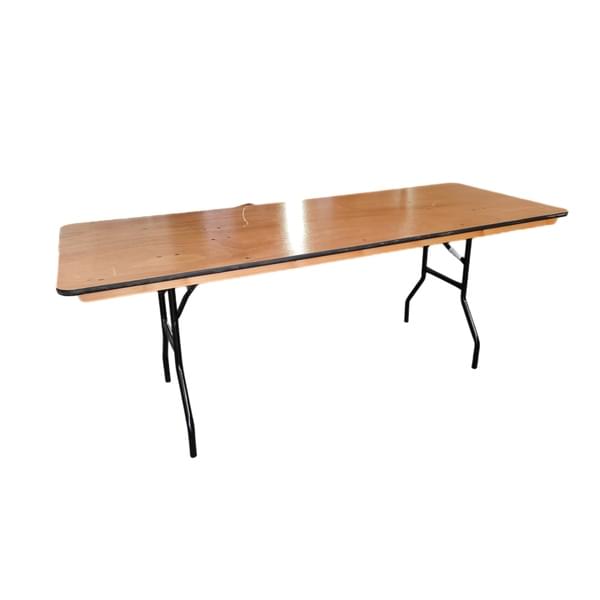
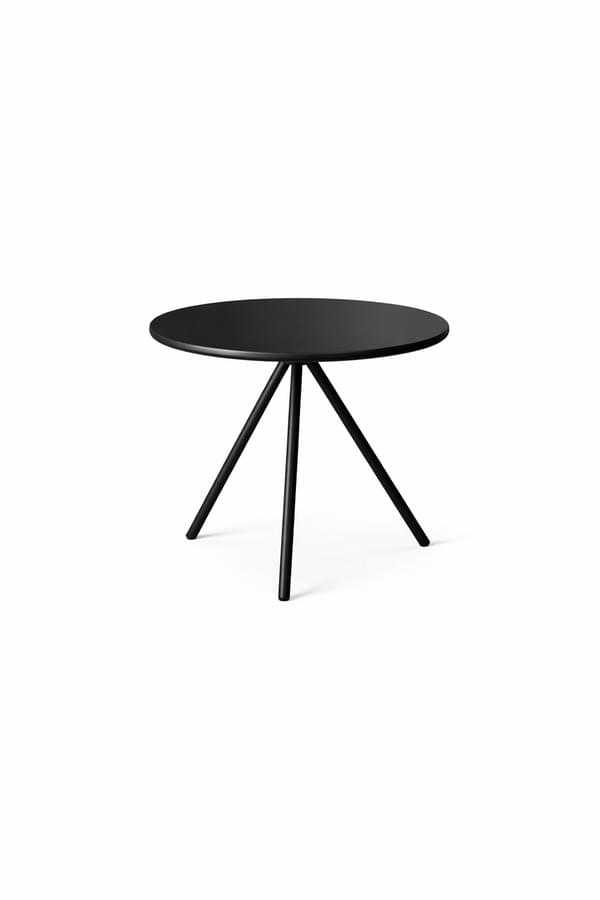
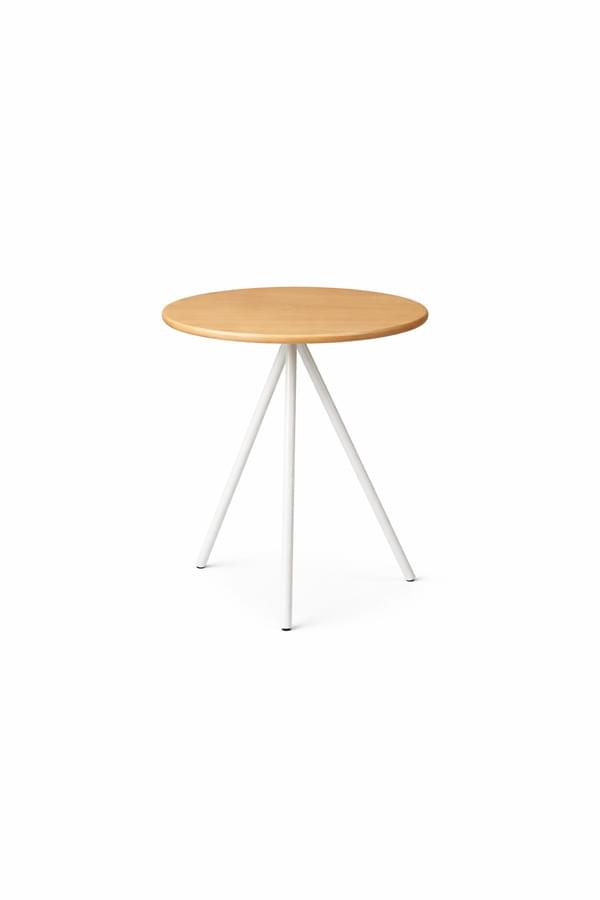
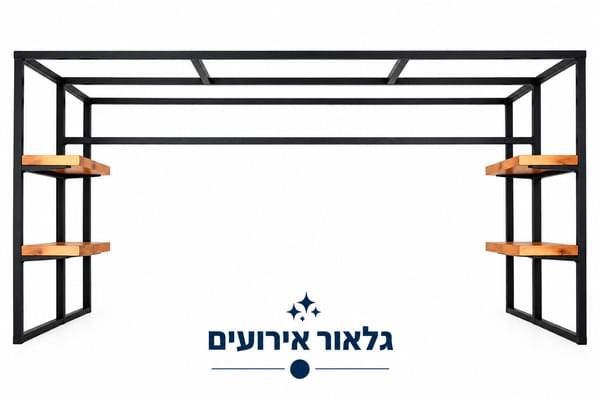
Hodaya
hodaya כל אירוע חוויה
16 items
•
₪30 - ₪150
Sorted by popularity
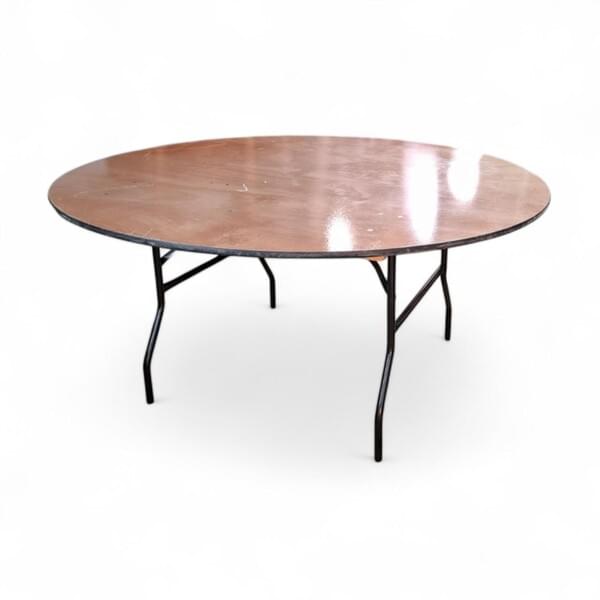
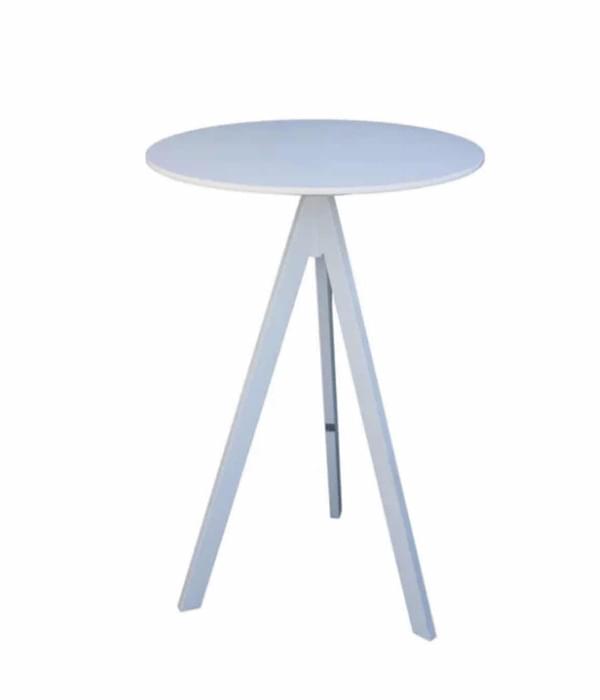
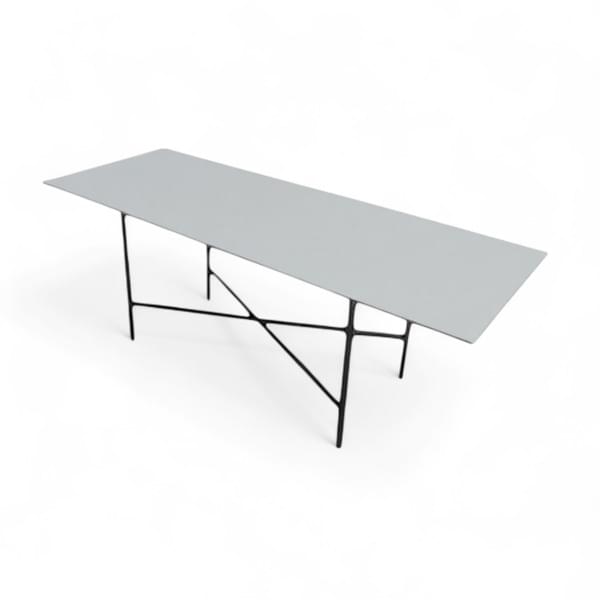

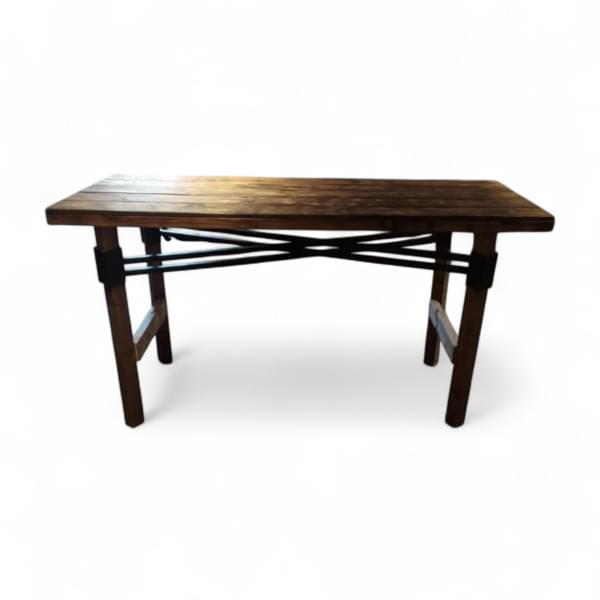
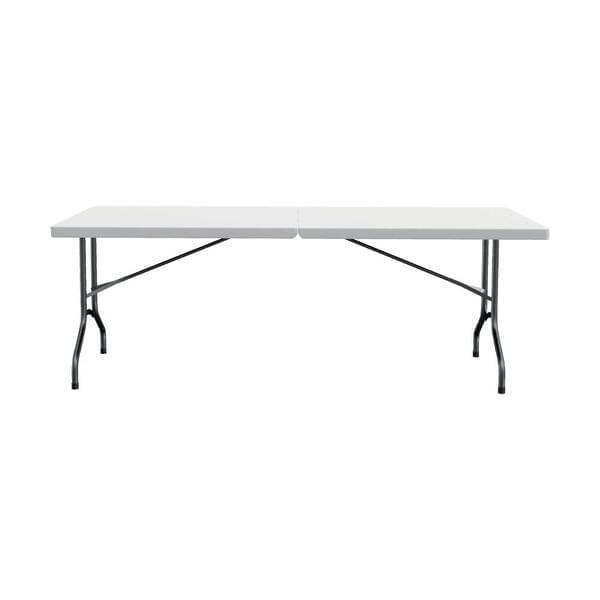
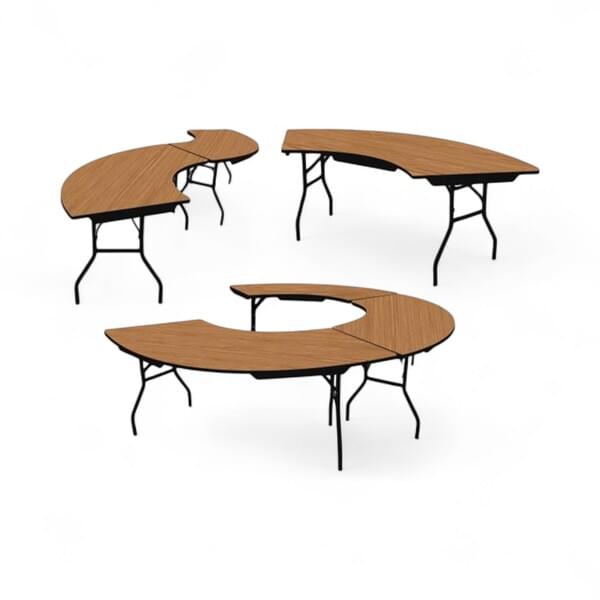
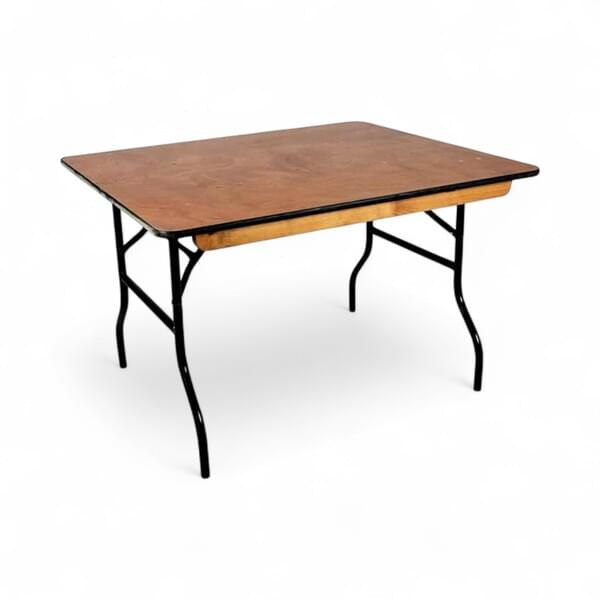
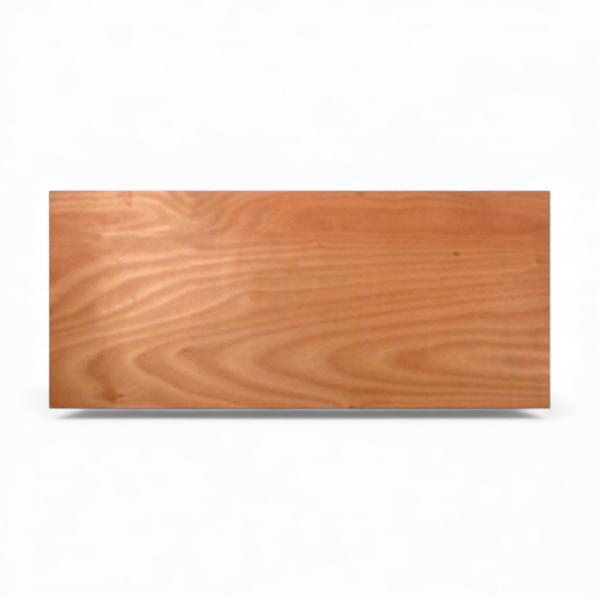
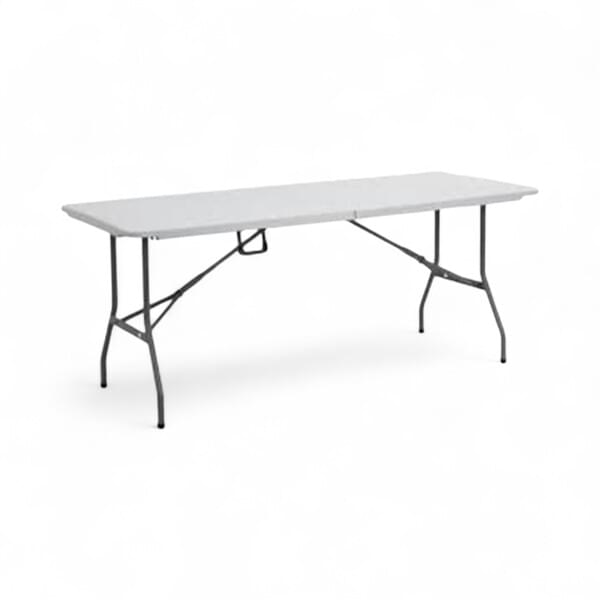
Les Events
שקט נפשי לאירוע שלך
10 items
•
₪39.72 - ₪79.90
Sorted by popularity
.jpg)
Idans
אטרקציות וציוד לאירועים
8 items
•
₪50 - ₪250
Sorted by popularity
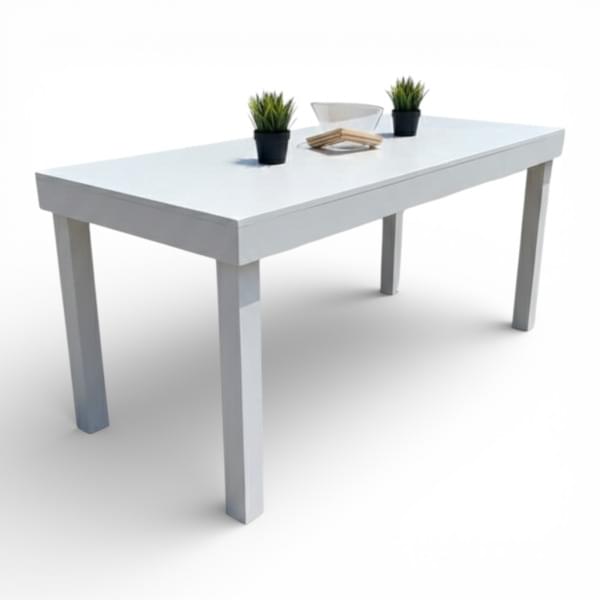
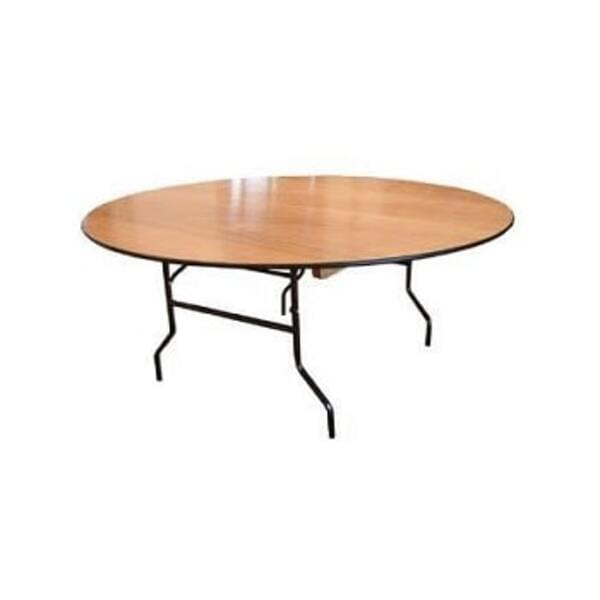
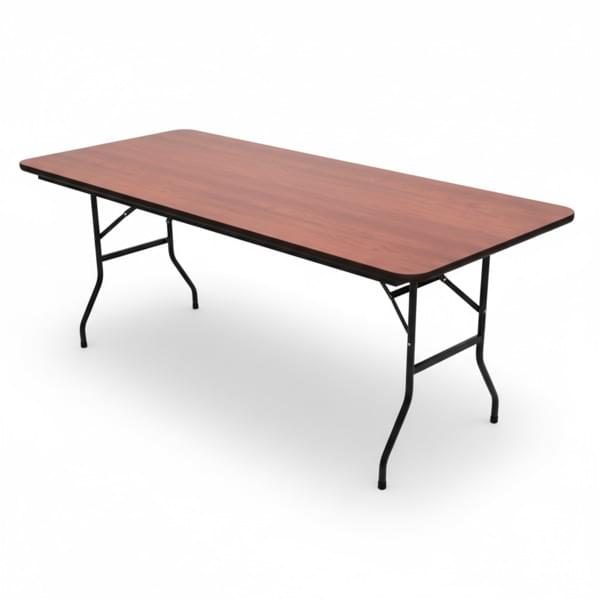
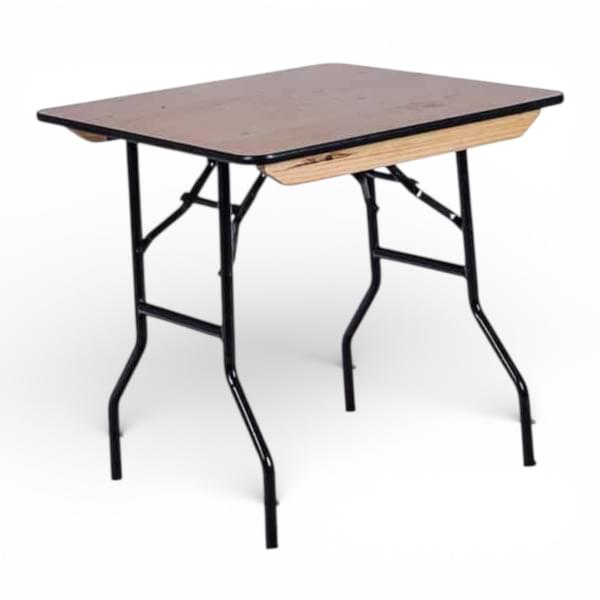
You Might Also Need
About Tables Rentals
Tables are the structural backbone of any event layout. They define the floor plan, dictate the flow of service, and set the visual tone for every guest's experience — from a 300-person wedding in the Galilee to a 50-seat corporate dinner in Tel Aviv. Choosing the right table type, size, and quantity affects everything: how many guests fit comfortably, how servers navigate the room, and how your centerpieces and tableware come together.
In Israel's event market, round tables remain the gold standard for weddings and bar mitzvahs — they encourage conversation and create elegant symmetry. Knights' tables (shulchan avarim) have surged in popularity for rustic and boho-themed celebrations, especially at kibbutz and garden venues. Bar and cocktail tables are essential for the extended cocktail hours that define Israeli event culture, while buffet tables handle the elaborate food stations common at local celebrations.
Renting tables is far more practical than buying, particularly for large events. A 200-guest wedding needs 20+ dining tables, plus head tables, buffet stations, gift tables, and cocktail tables for the reception area. Purchasing and storing all of that is impractical for a one-time event. Renting gives you access to exactly the style, size, and quantity you need — and someone else handles the heavy lifting.
On Rentlyz, every supplier is verified and offers transparent pricing in Israeli Shekels. You can compare delivery costs, minimum order quantities, and package deals upfront. Many suppliers offer full-service packages that include delivery, setup, leveling, and post-event teardown. Bundling tables with chairs, linens, or tent rentals may save you money compared to renting items separately — actual savings vary by supplier.
Israel's geography creates logistics considerations that matter for heavy items like tables. Narrow access roads in Jaffa, Jerusalem's Old City, and Tzfat can limit truck size. Outdoor venues on grass or sand — beach weddings in Herzliya or Caesarea, garden venues in the Sharon region — may require table leveling or floor protection. Heritage sites may restrict table types to protect stone or marble surfaces. Most Rentlyz suppliers plan for all of this.
Whether you're hosting an intimate dinner for 30 or a celebration for 500, Rentlyz helps you find the right tables from the right supplier. Compare side by side, check real-time availability, and request quotes — all in one place.
Table Rental Pricing in Israel
Table rental prices in Israel vary by type, size, material, and season. Here's a pricing guide with typical Israeli market rates to help you budget. Delivery, setup, and teardown fees are usually charged separately — starting from ₪300, depending on the distance from the business.
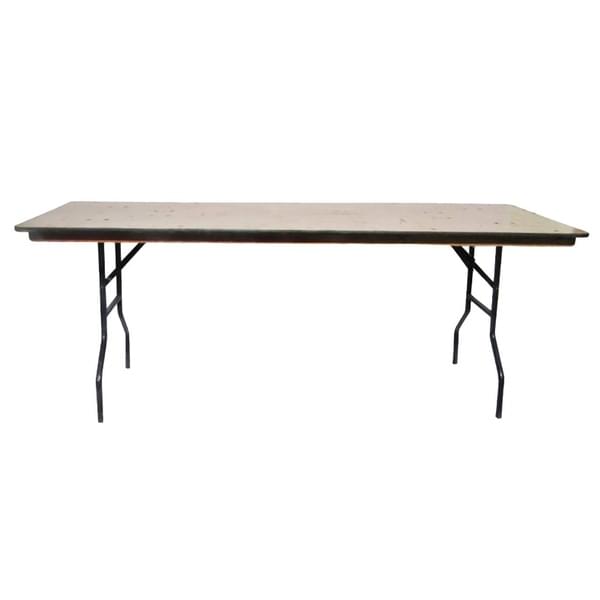
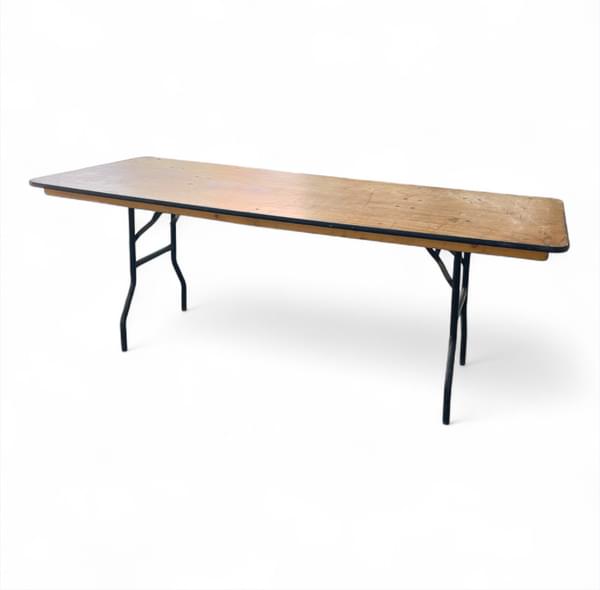
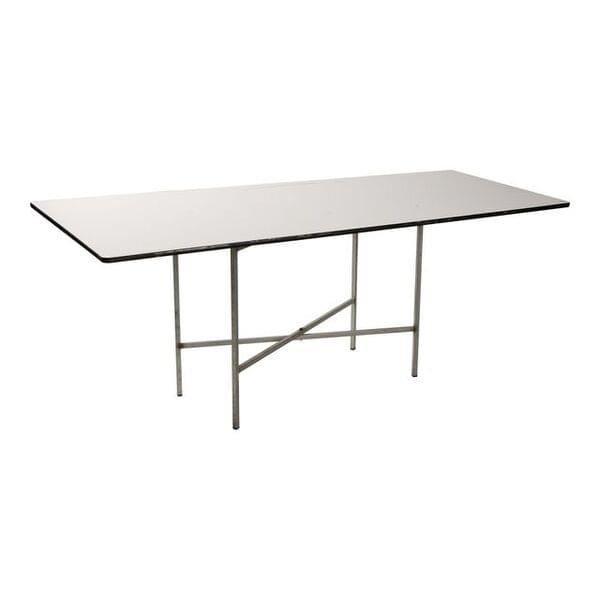
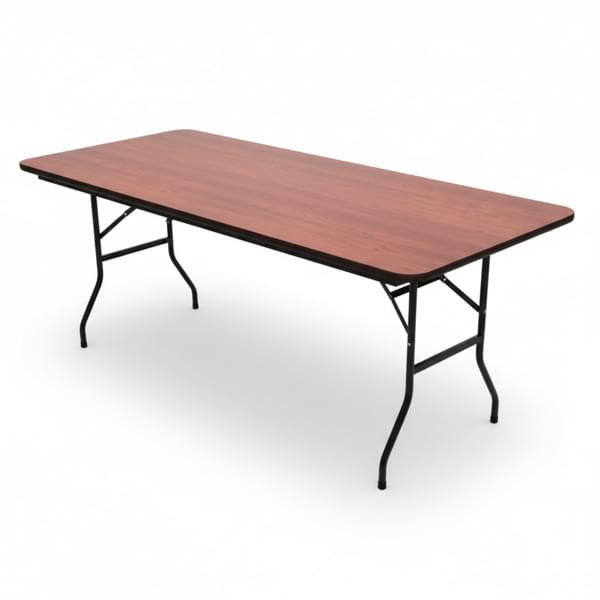
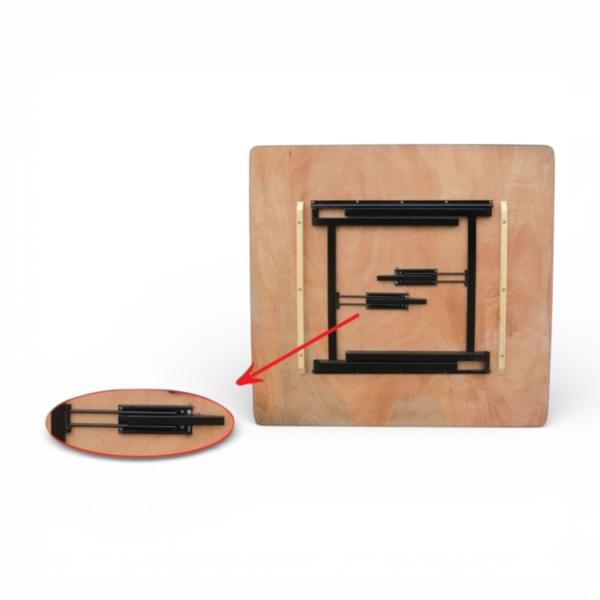
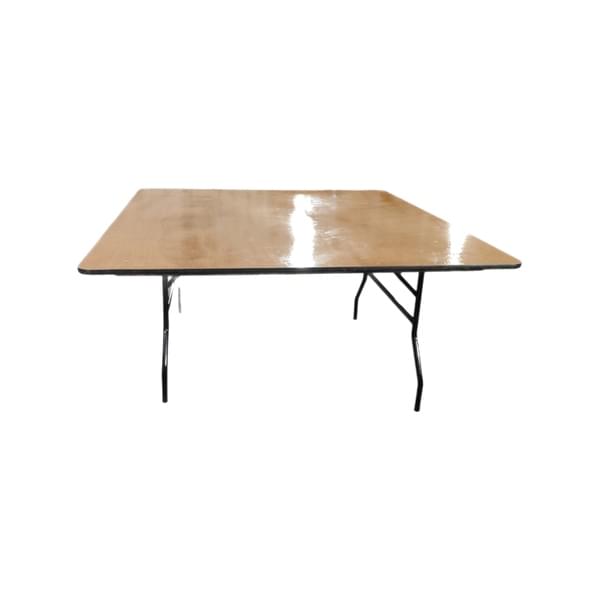
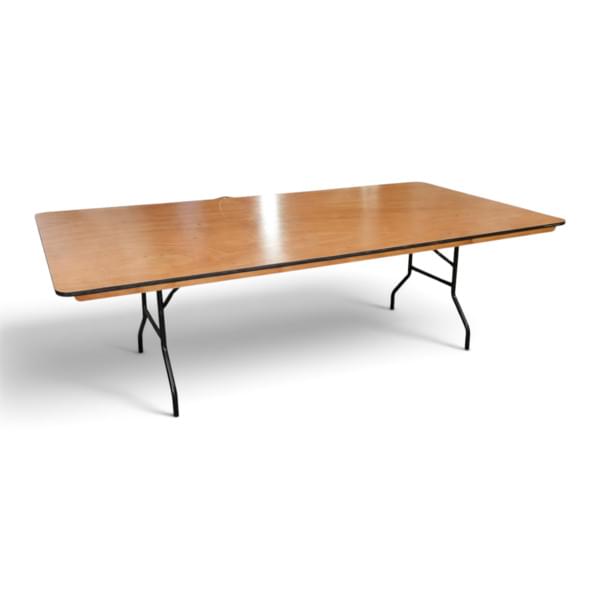
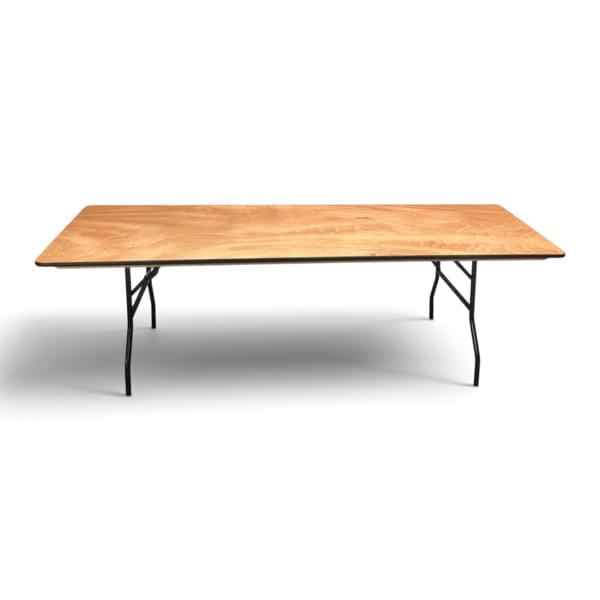
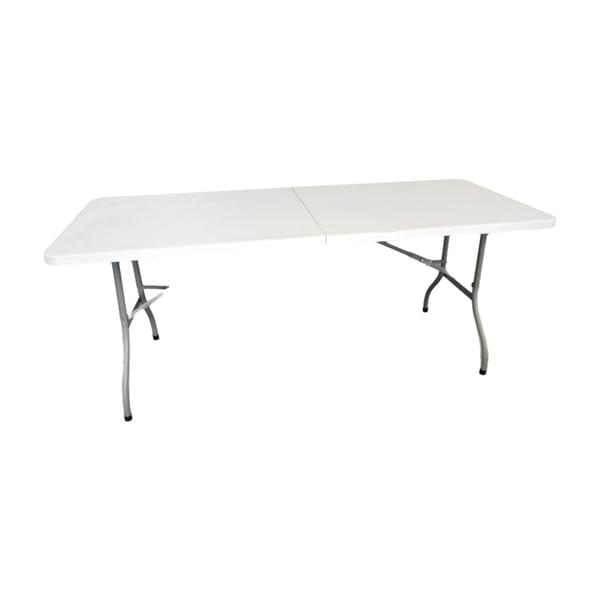
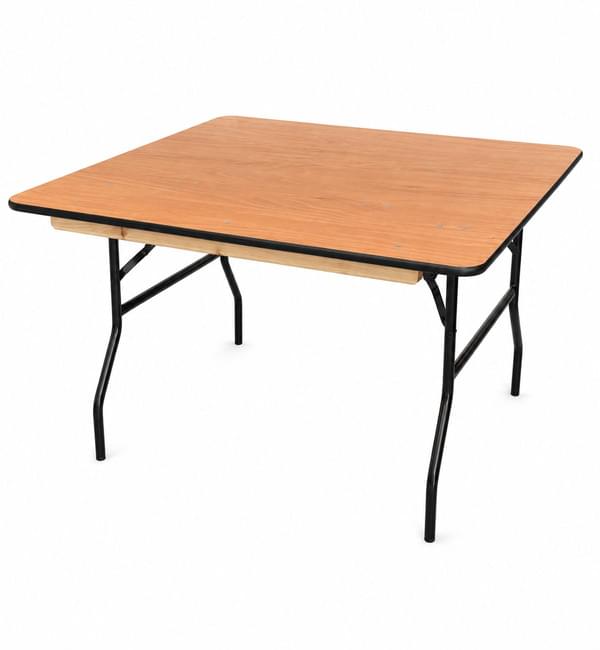
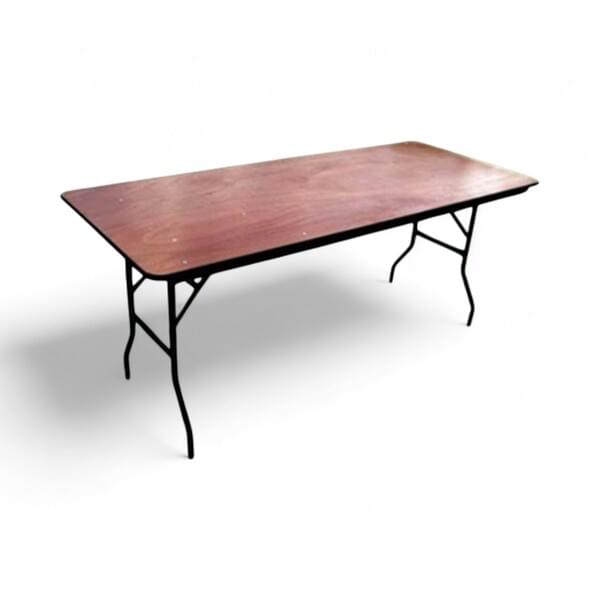
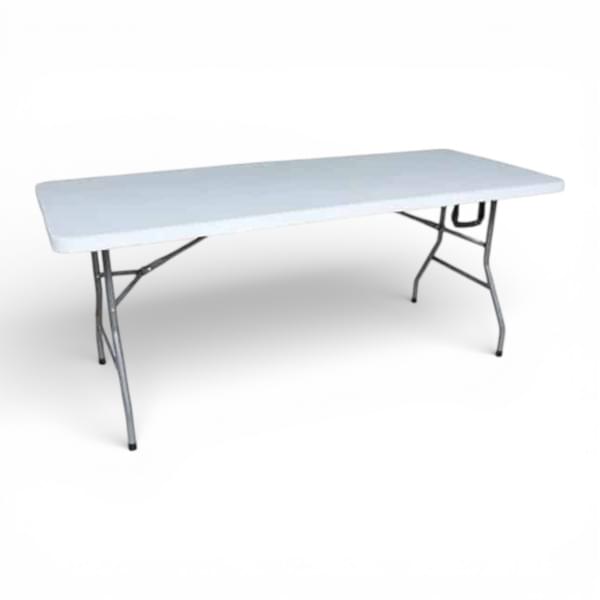
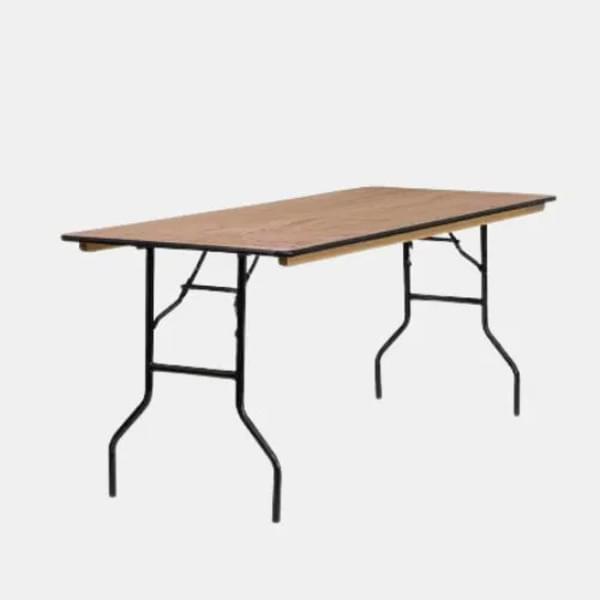
Plastic folding tables (180×75 cm) — ₪20 to ₪30 per table. The most affordable and widely available option. Lightweight, easy to transport, and suitable for large outdoor events, community gatherings, and buffet stations. Can be arranged end-to-end for long banquet-style seating.
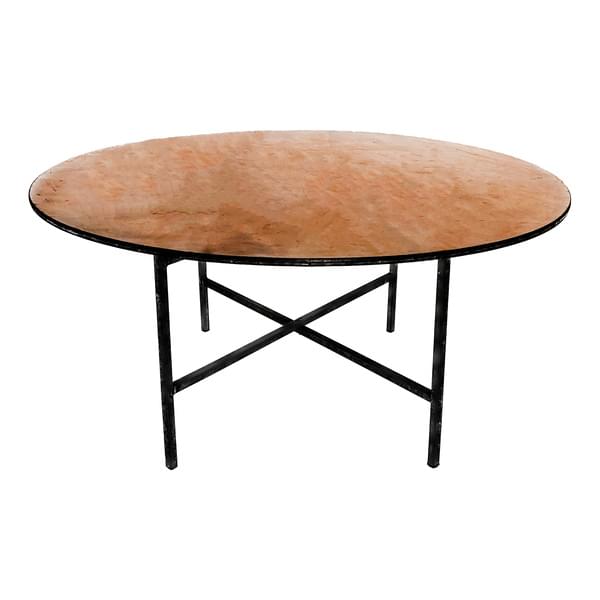
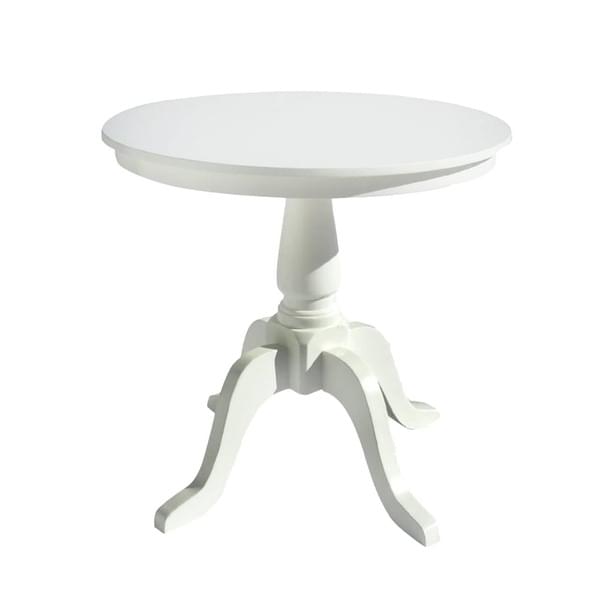
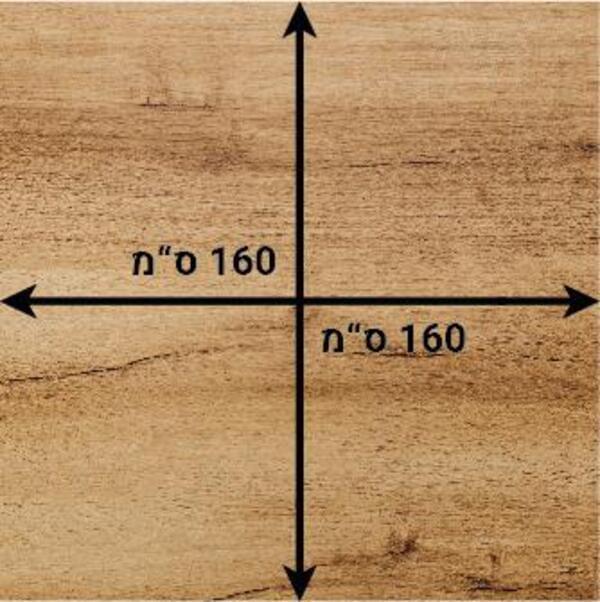
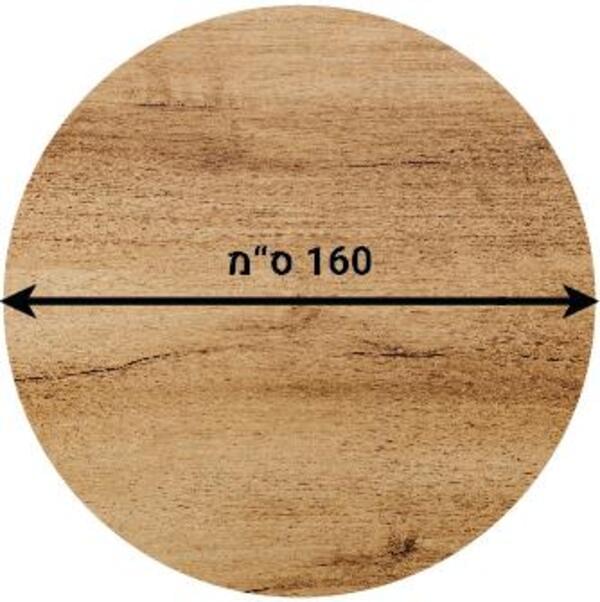
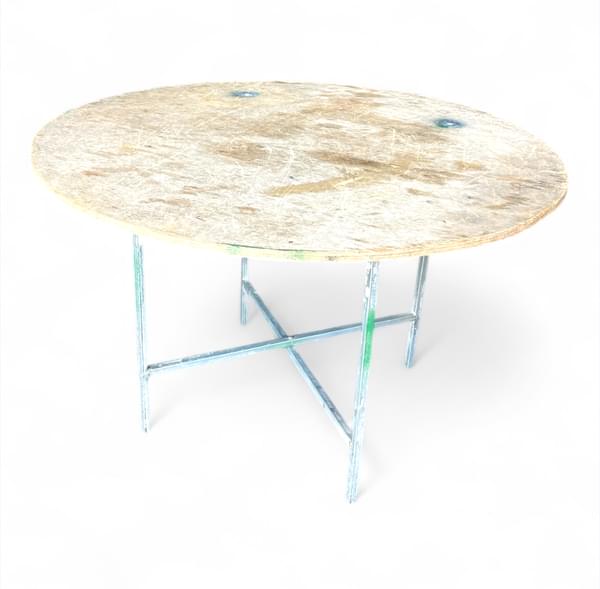
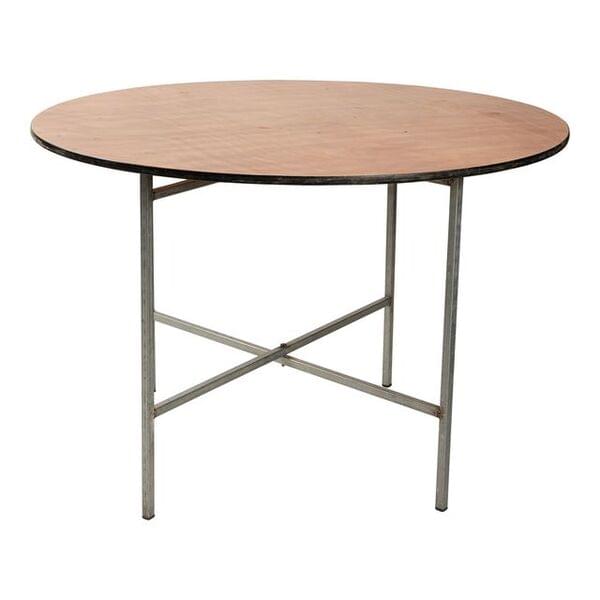
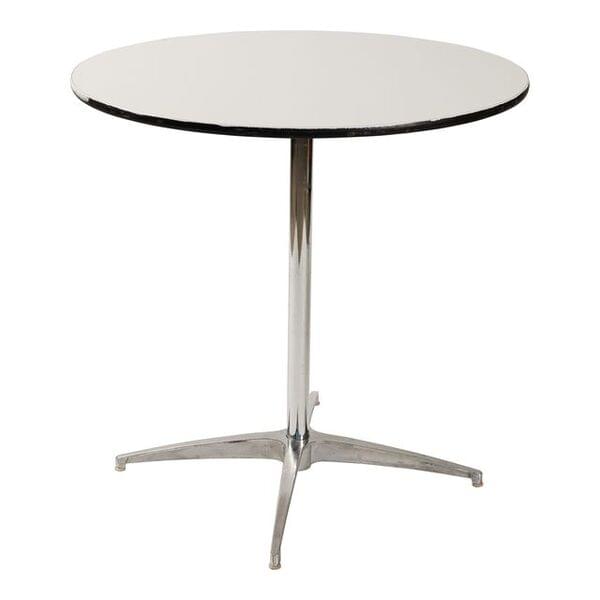
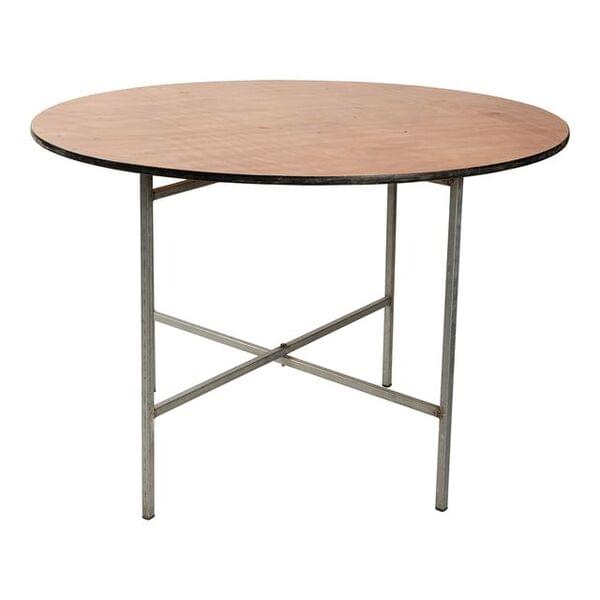
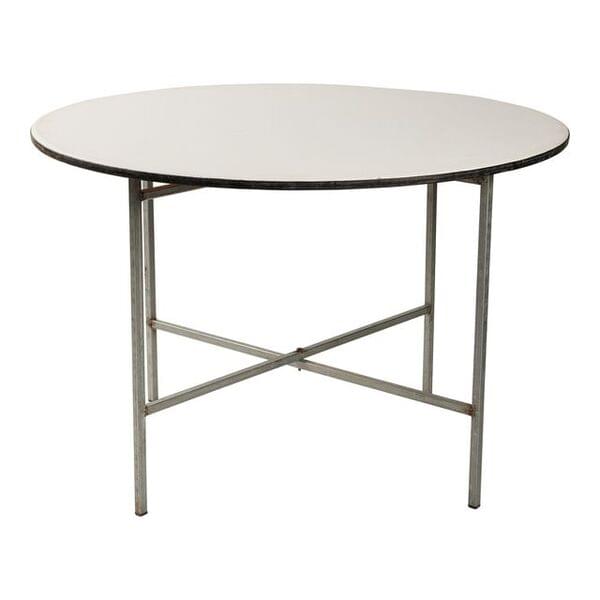
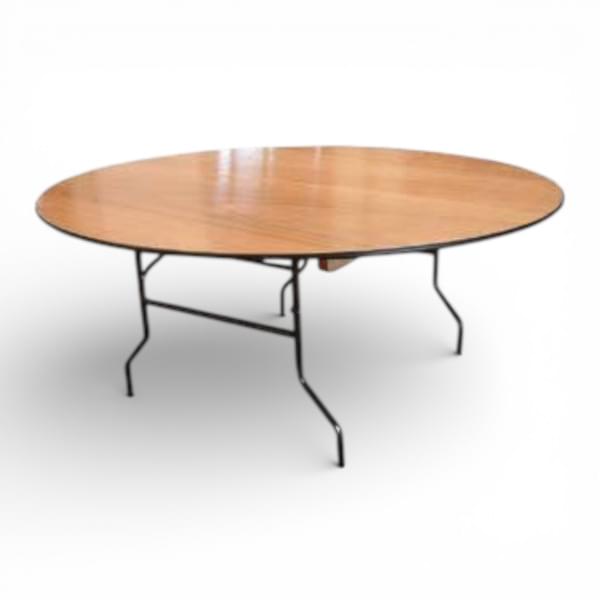
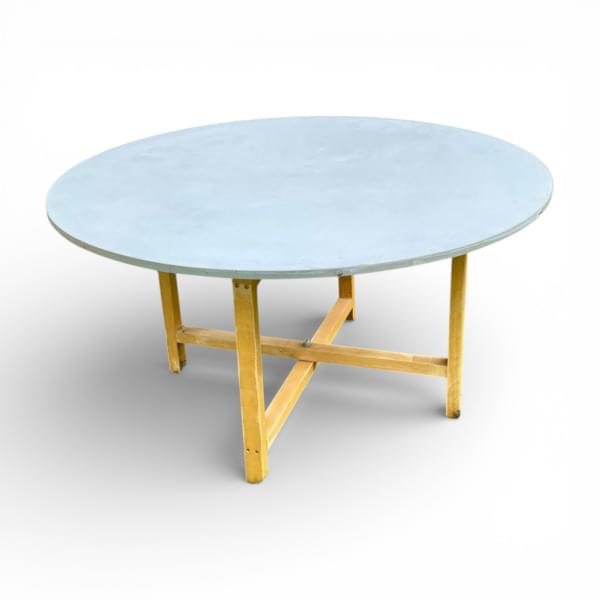
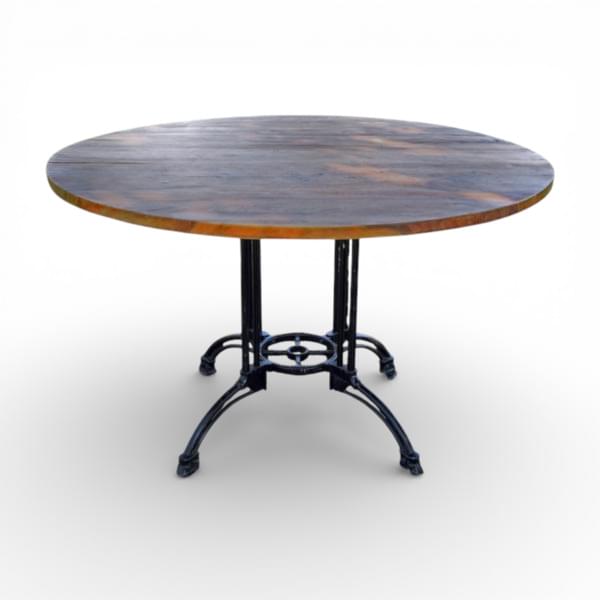
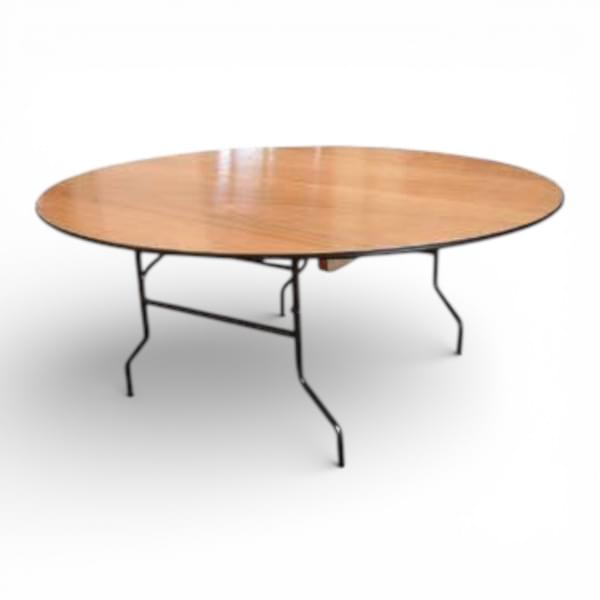
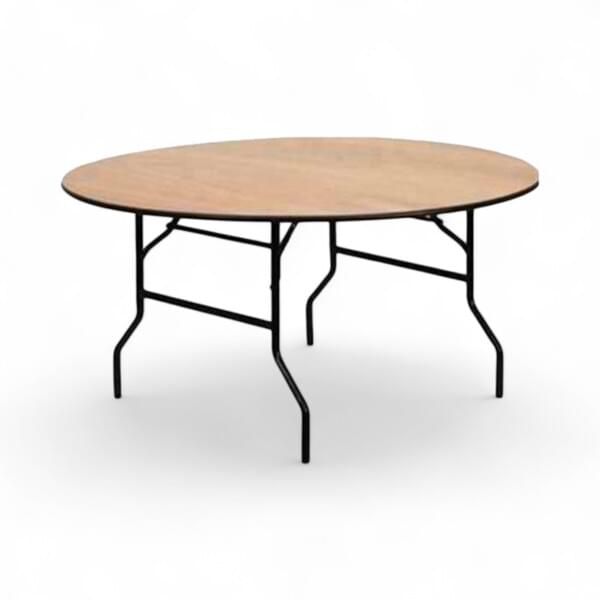
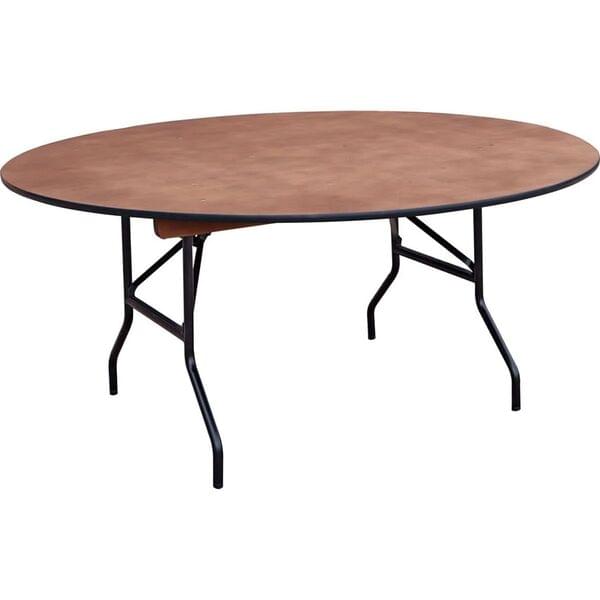
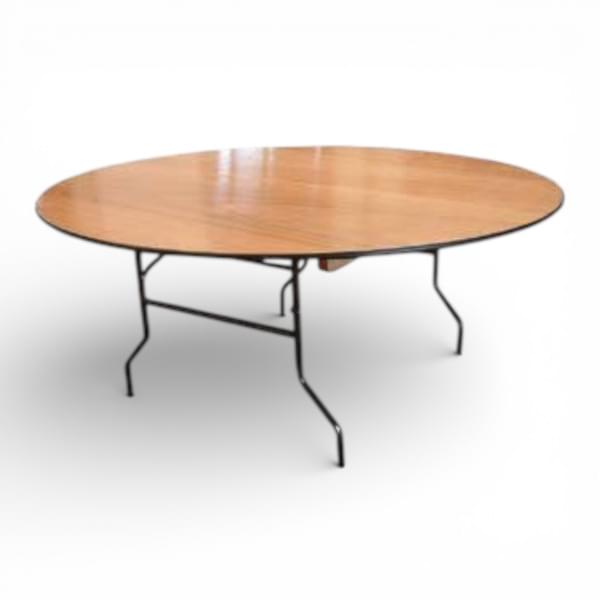
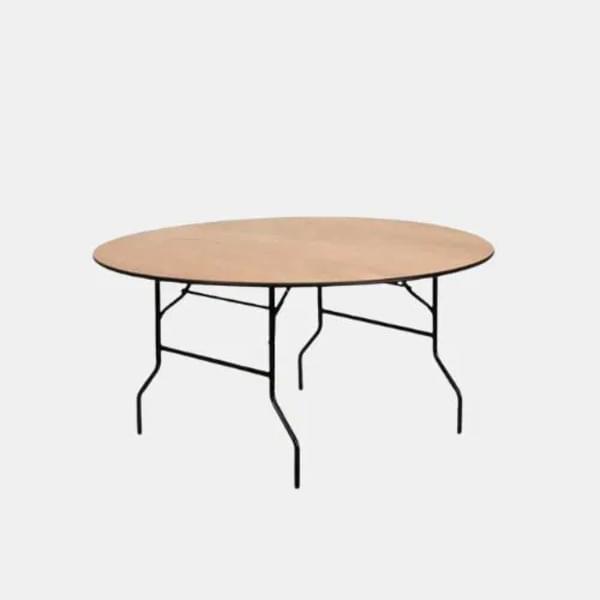
Round tables (160 cm diameter, seats 8–10) — ₪50 to ₪80 per table. The most popular choice for Israeli weddings and bar mitzvahs. Creates elegant, symmetrical layouts and encourages conversation among guests. Available with various base styles.
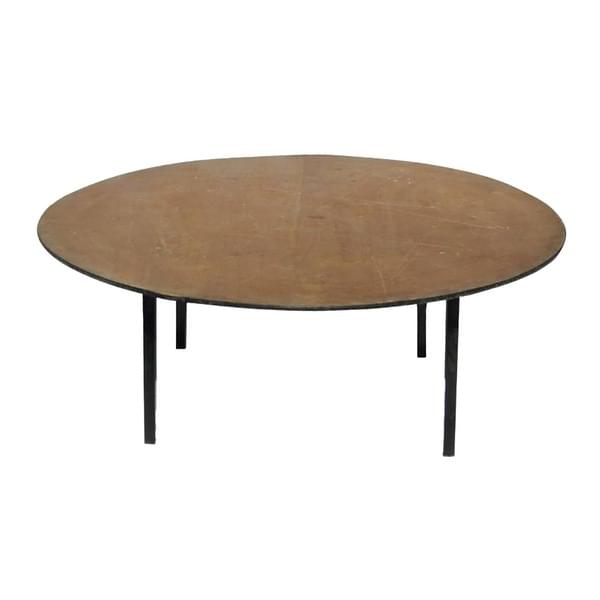
Round tables (180 cm diameter, seats 10–12) — ₪60 to ₪100 per table. The larger round option for spacious venues and bigger guest counts per table. Reduces the total number of tables needed but requires more floor space.
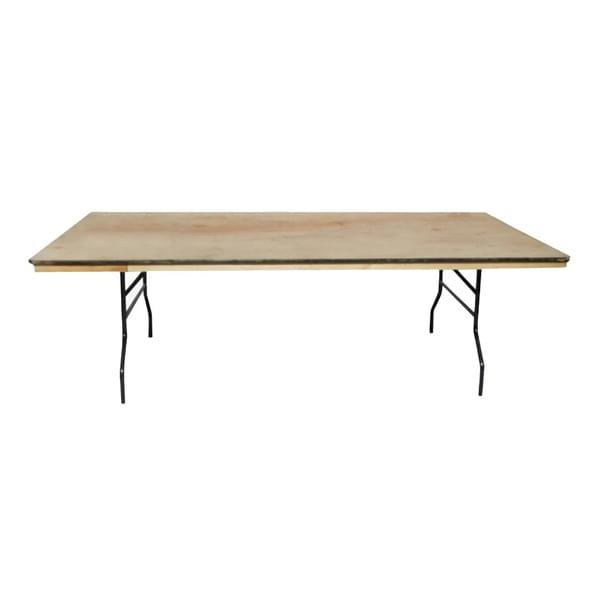
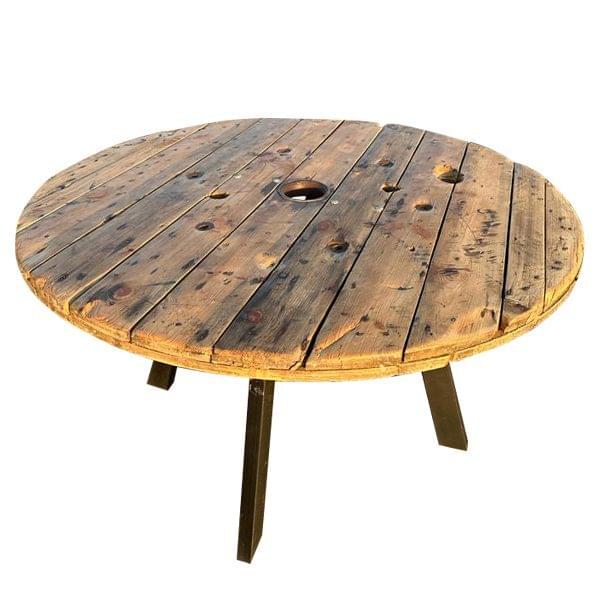
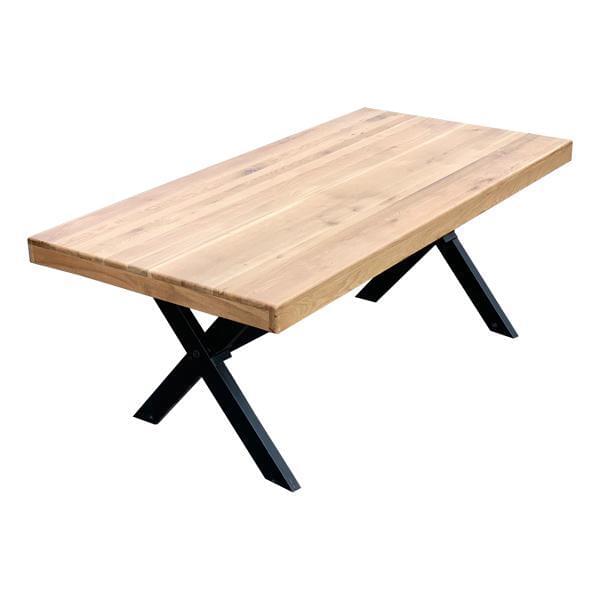
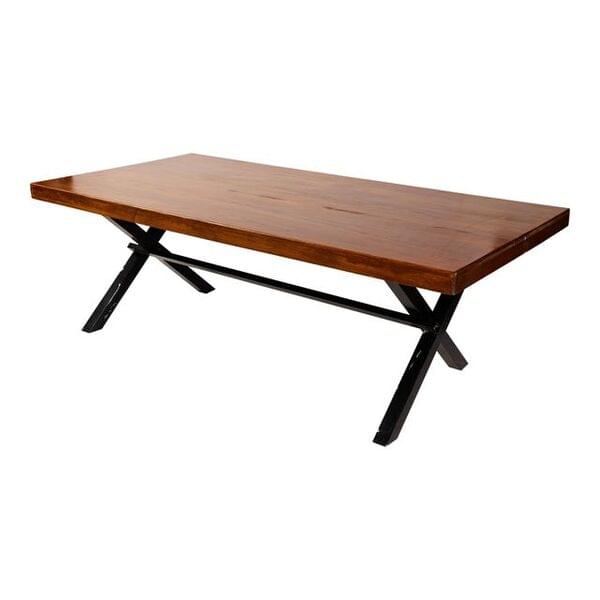
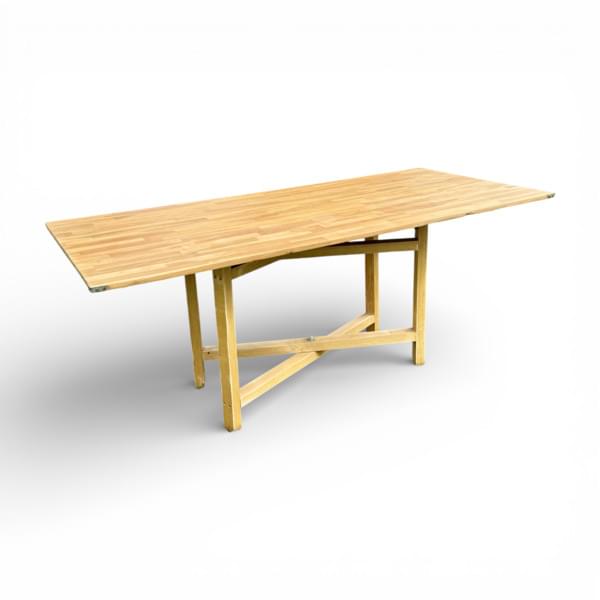
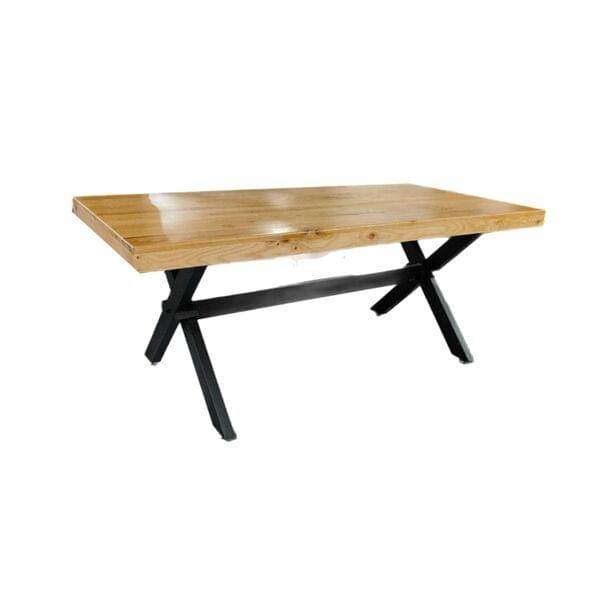
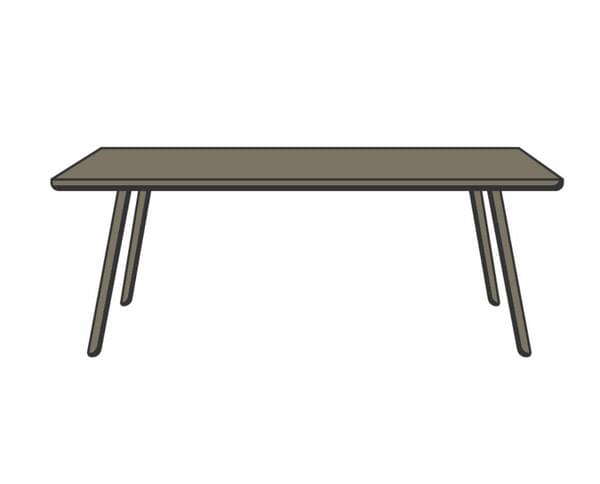
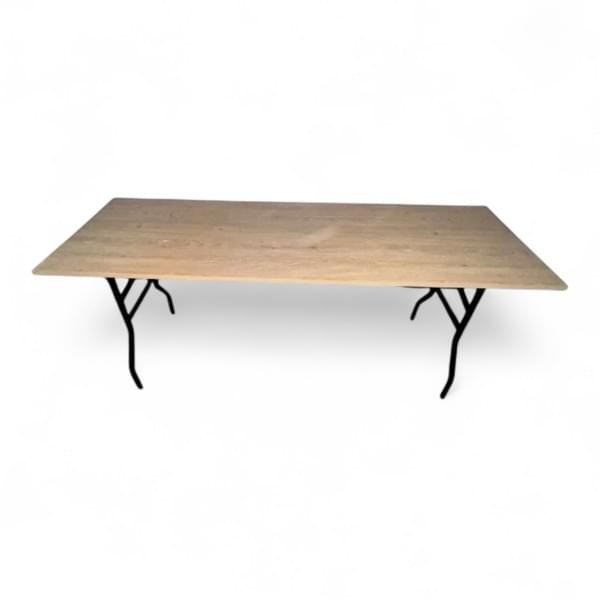
Knights' tables / farm tables (120×240 cm, seats 12–14) — ₪75 to ₪100 per table. Heavy solid wood rectangular tables that have become a staple of rustic and boho-themed Israeli weddings. Two can be joined to create a 360 cm table seating 18–20. Available in light wood, dark wood, and white finishes.
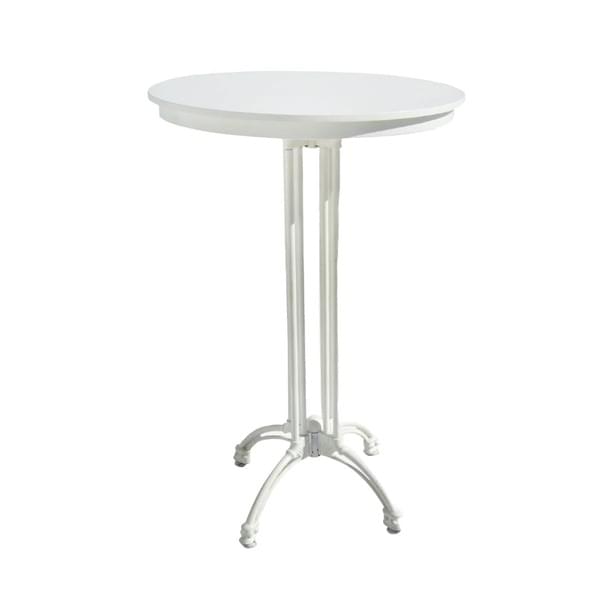
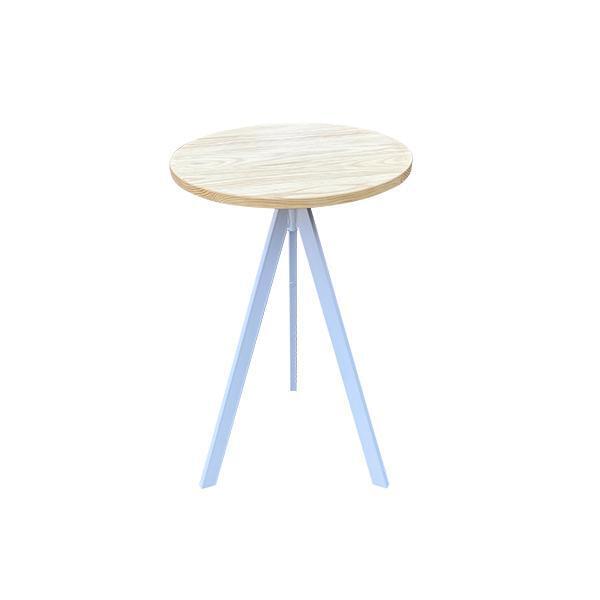
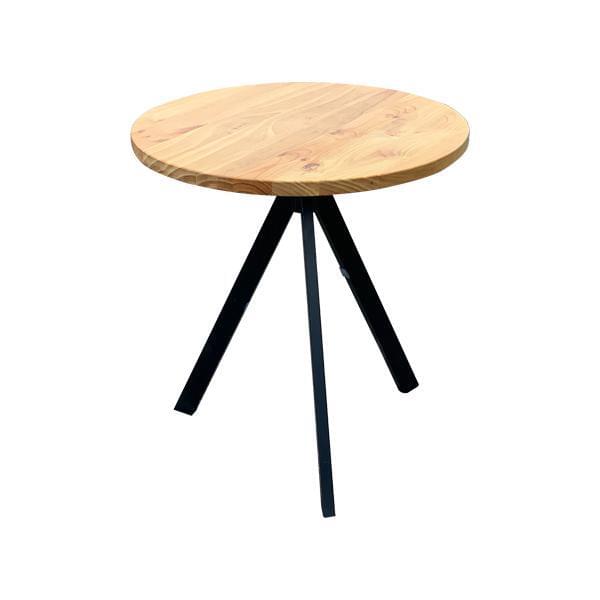
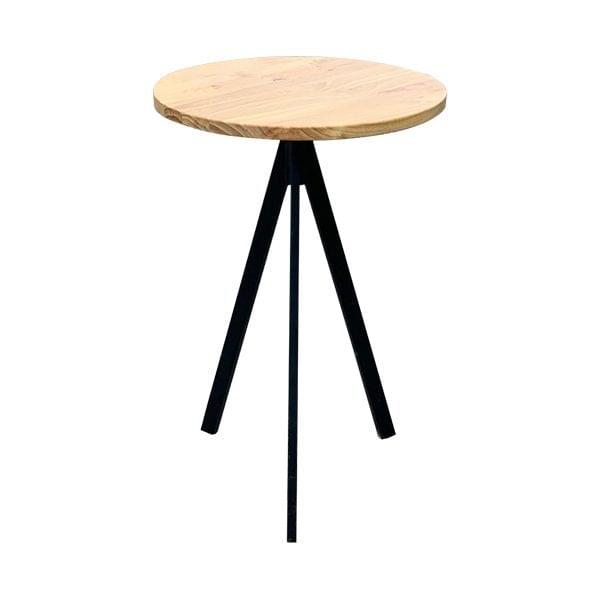
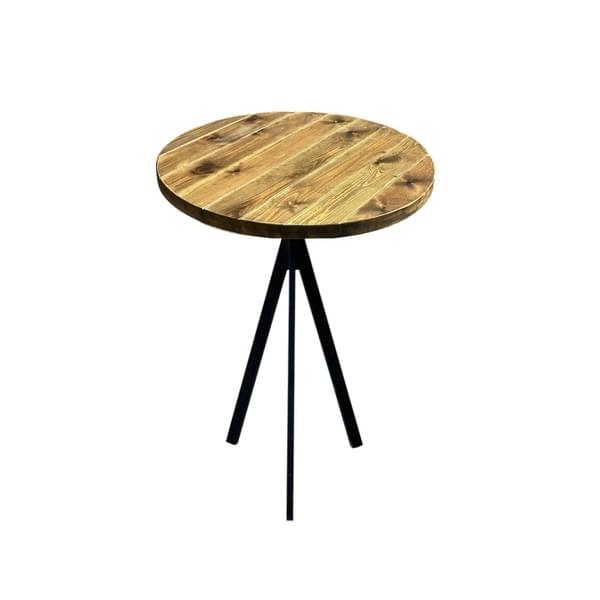
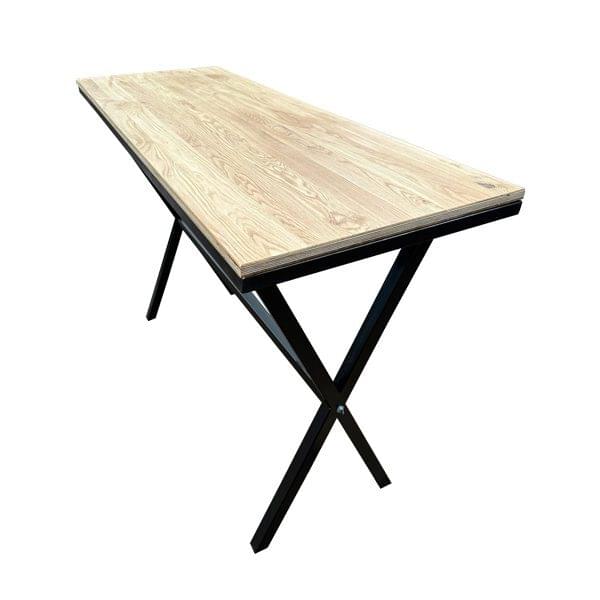
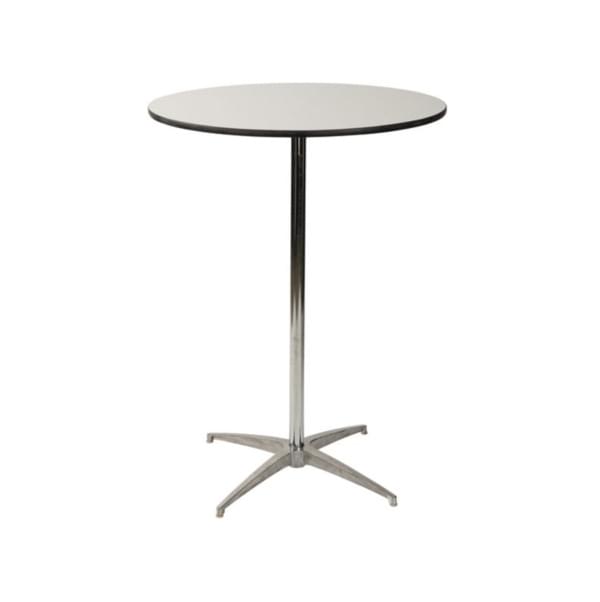
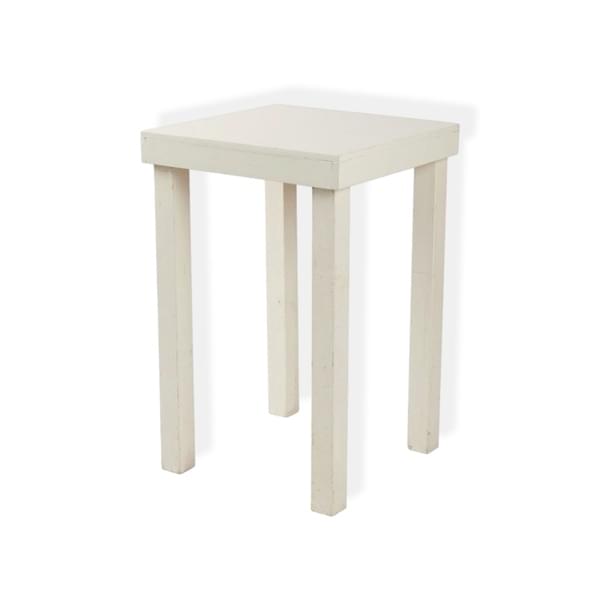
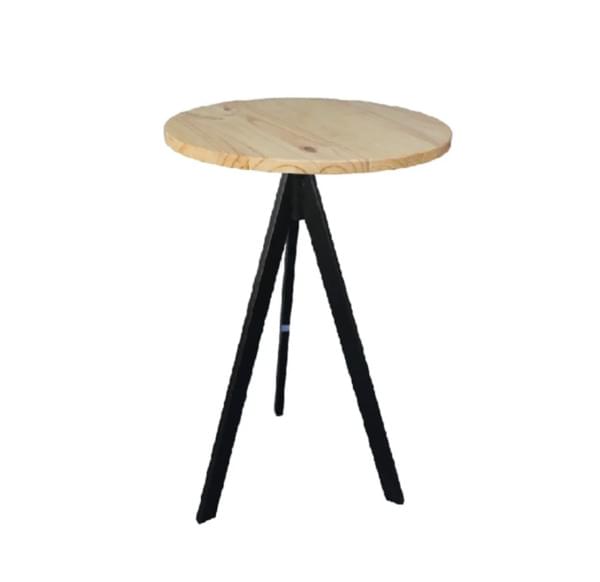
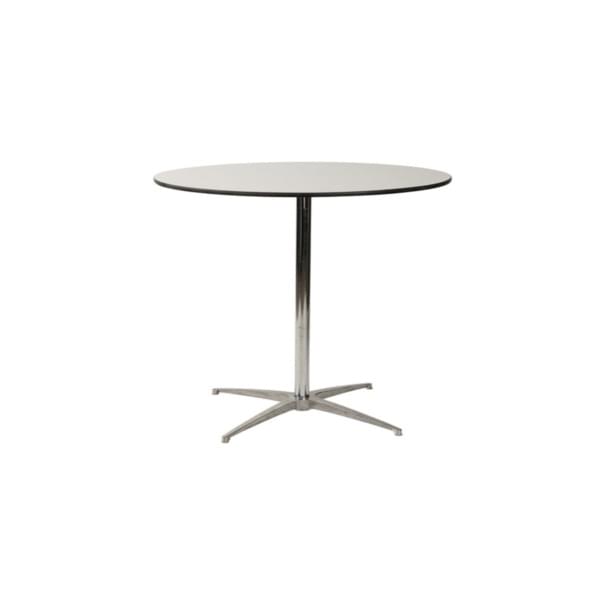
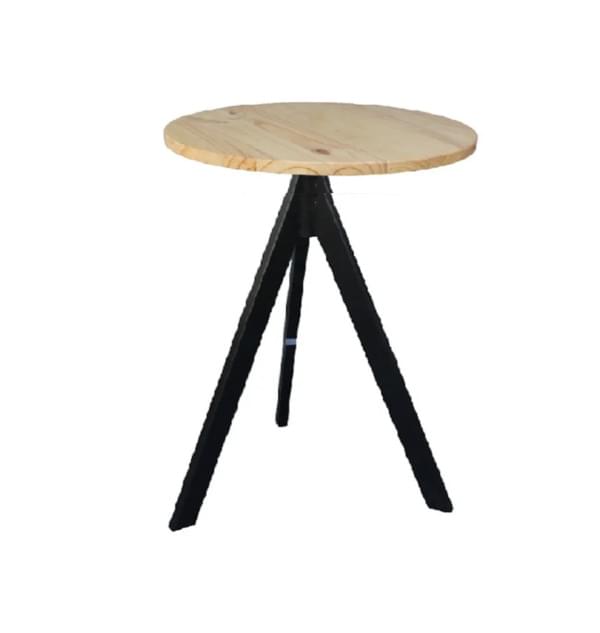
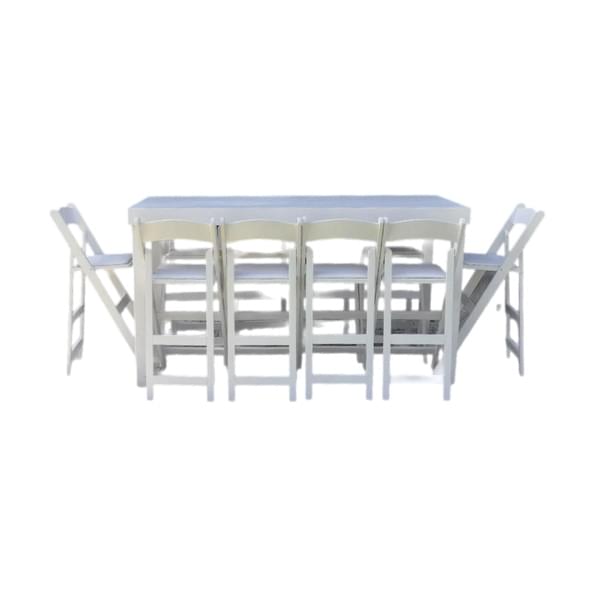
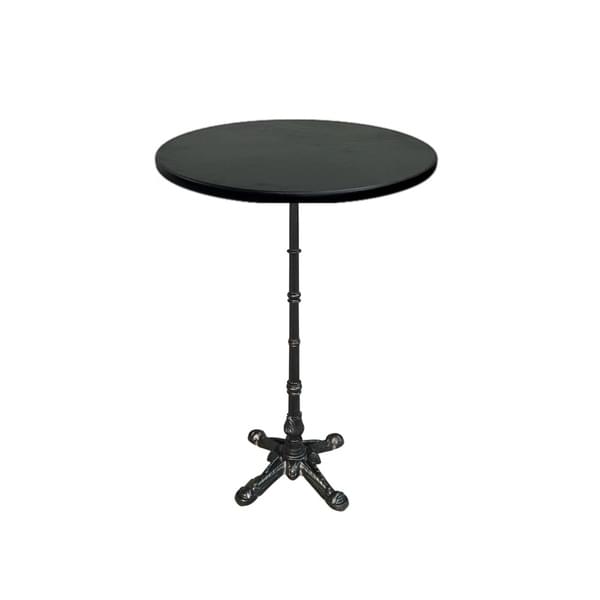
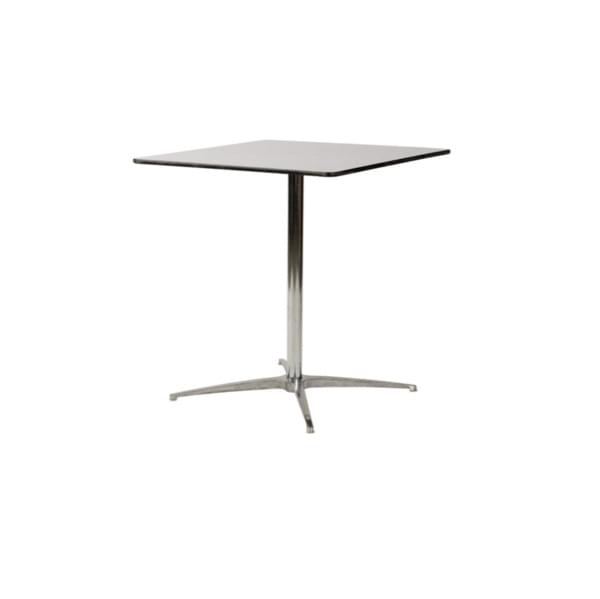
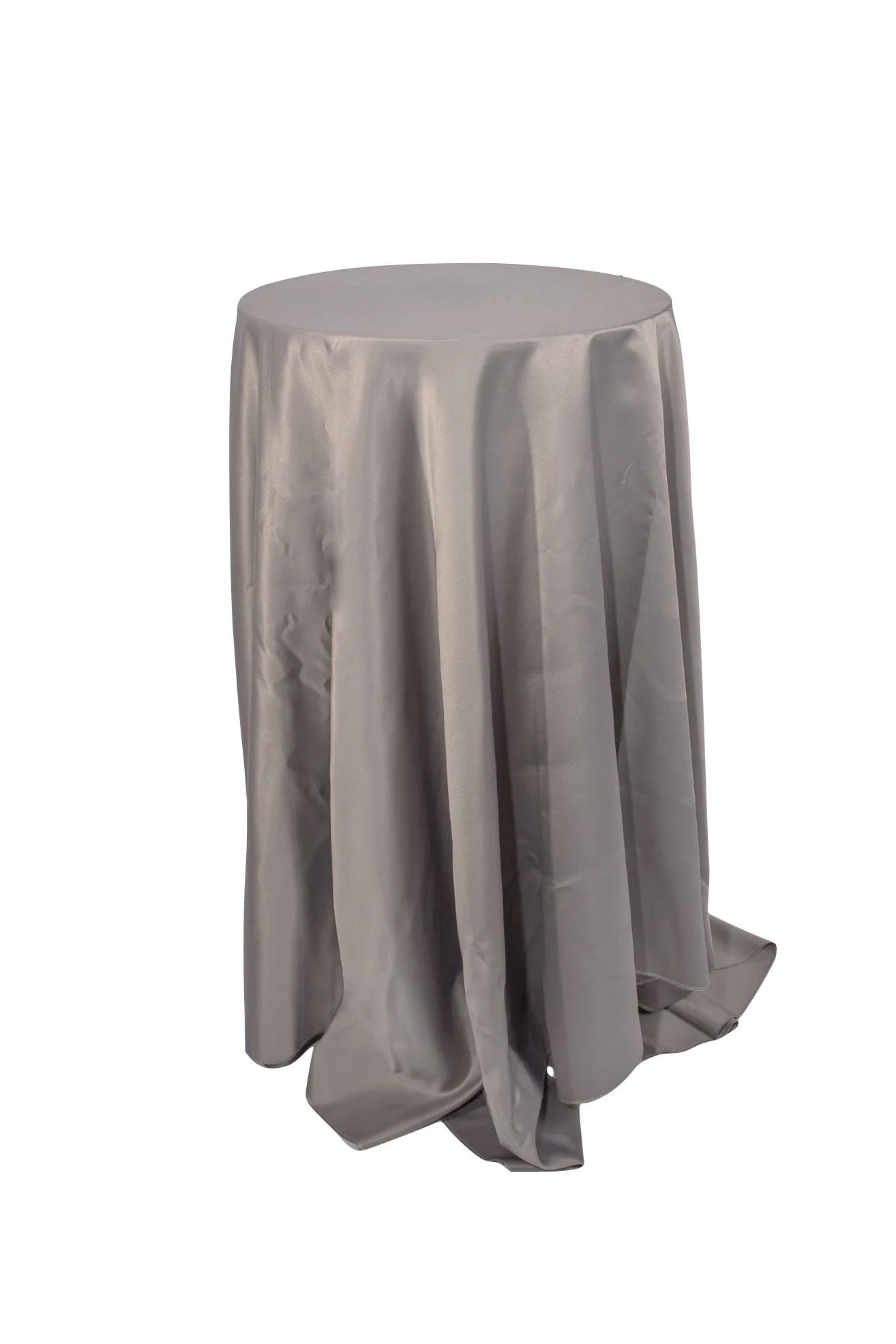
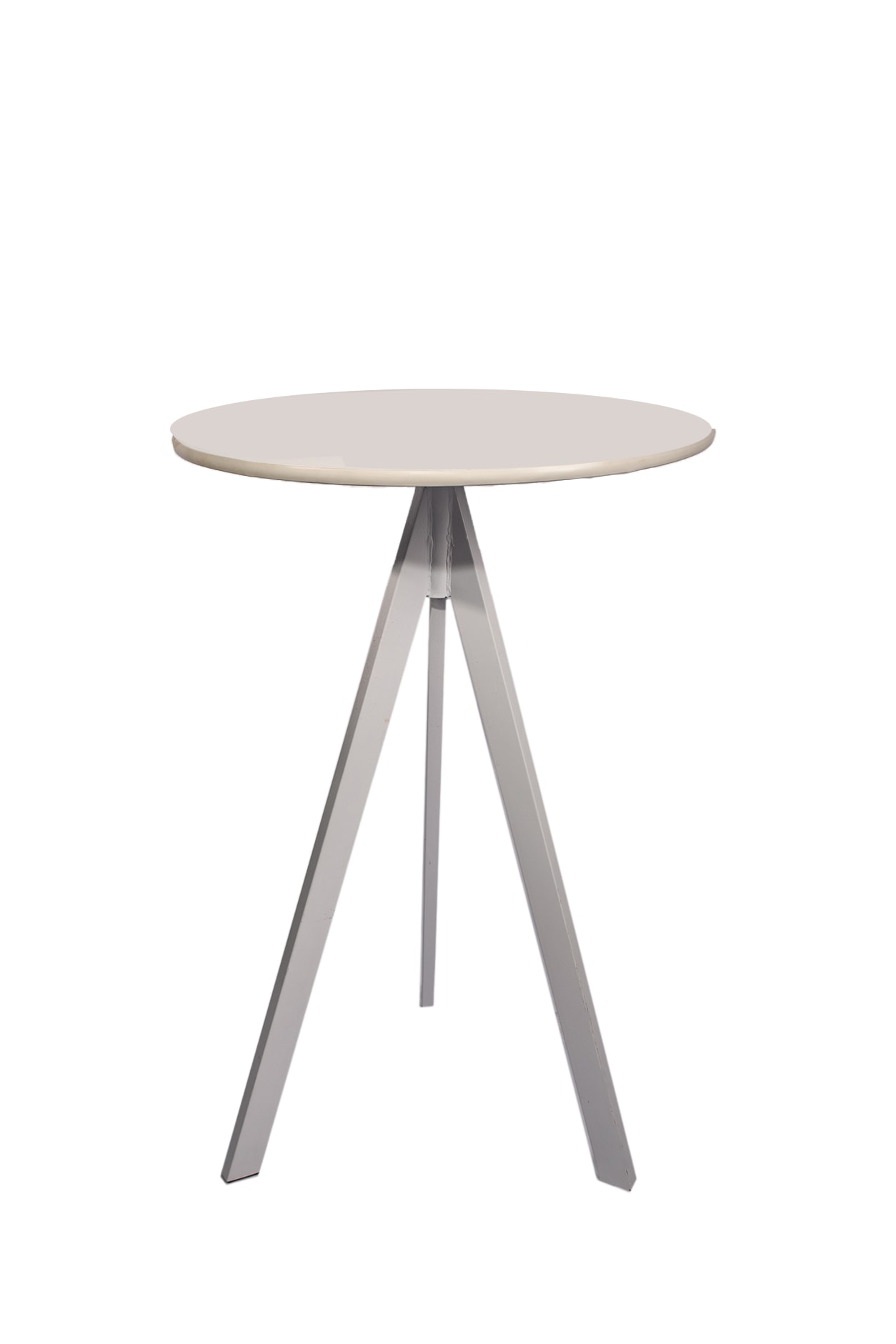
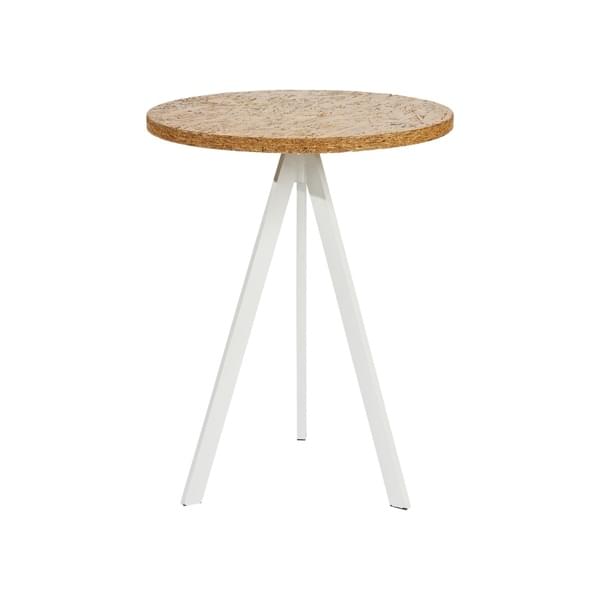
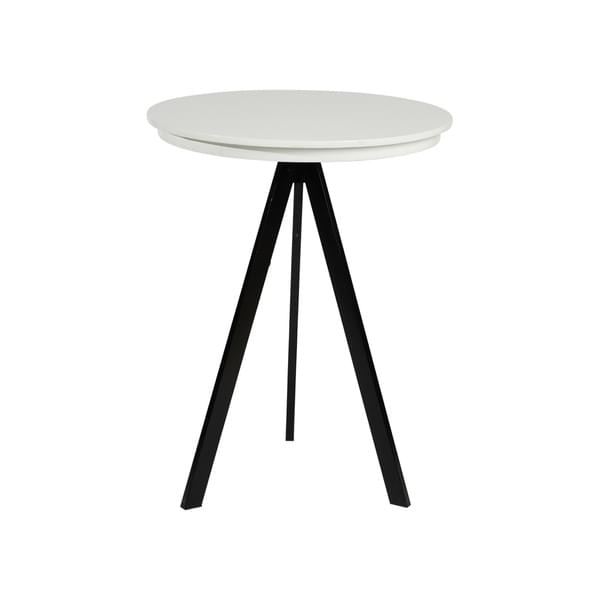
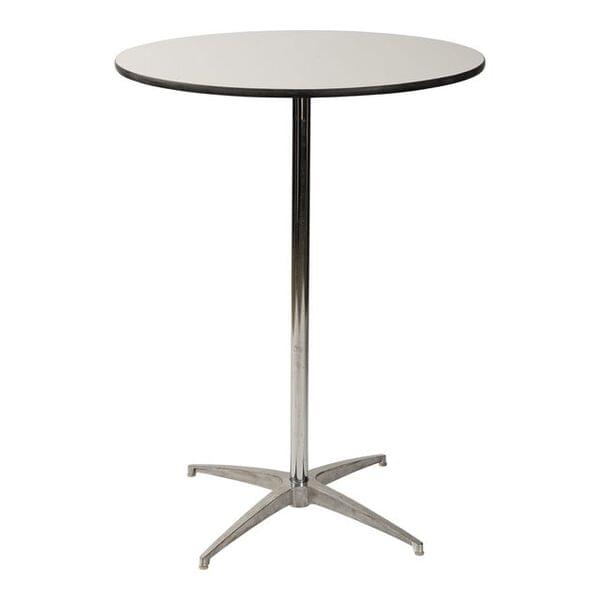
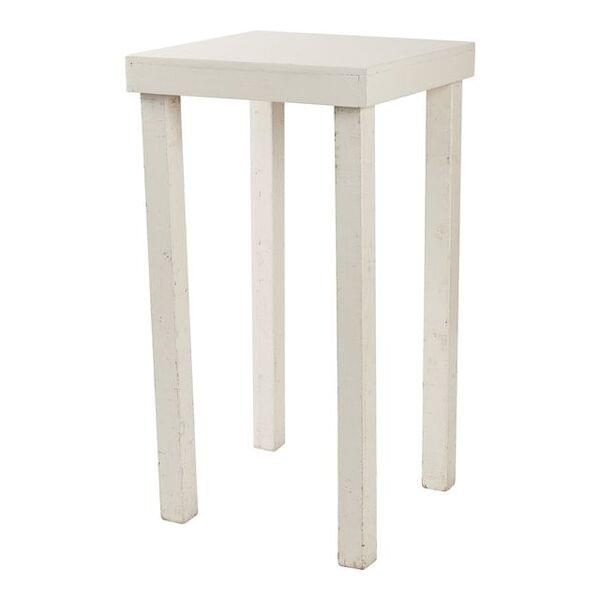
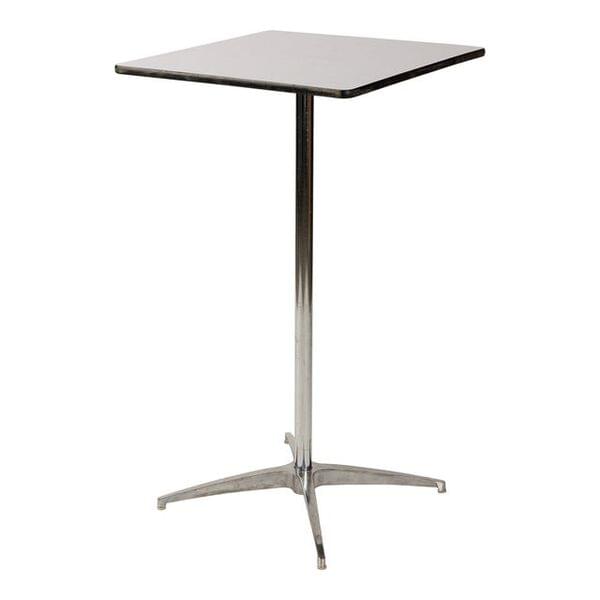
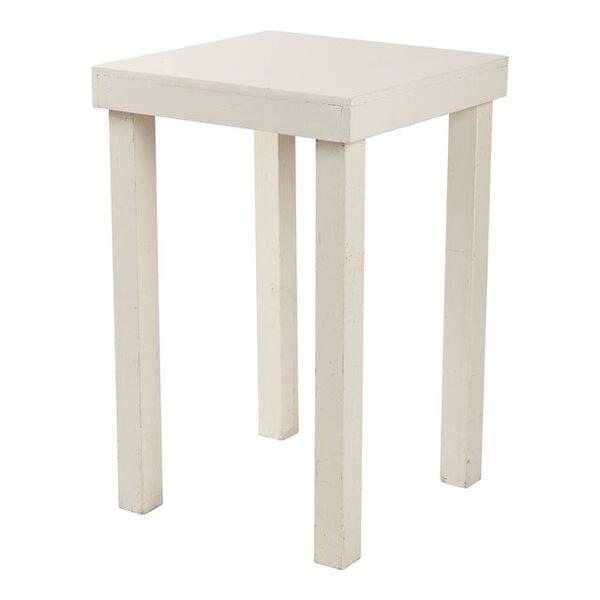
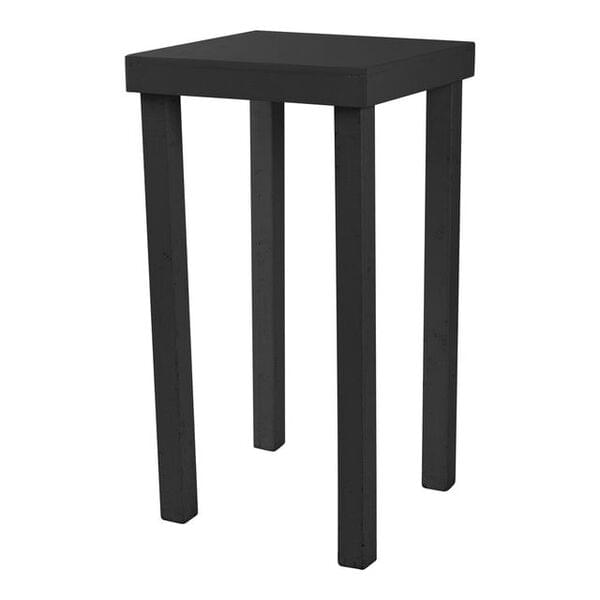
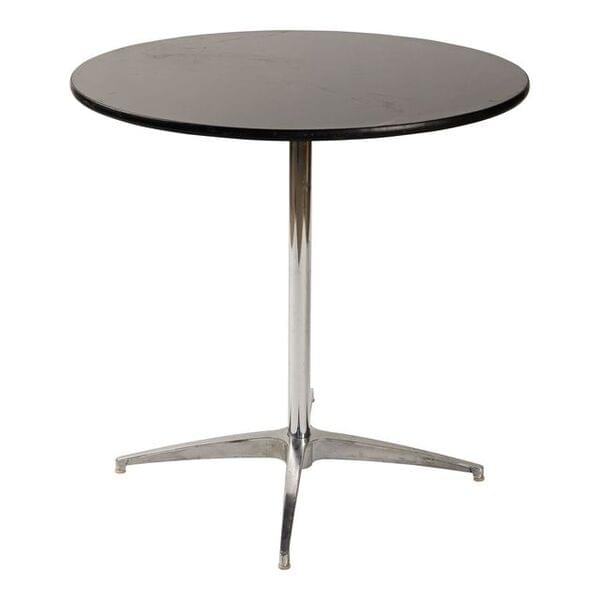
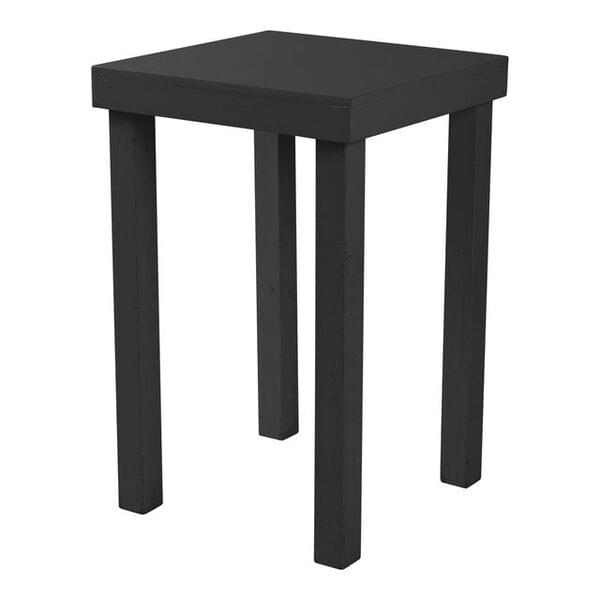
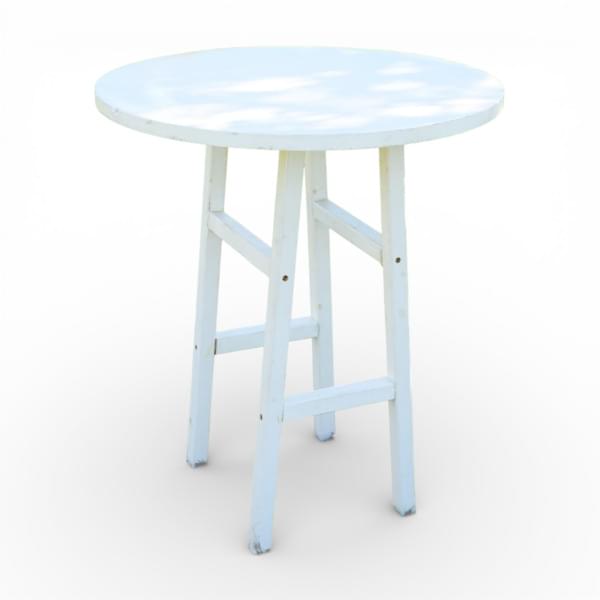
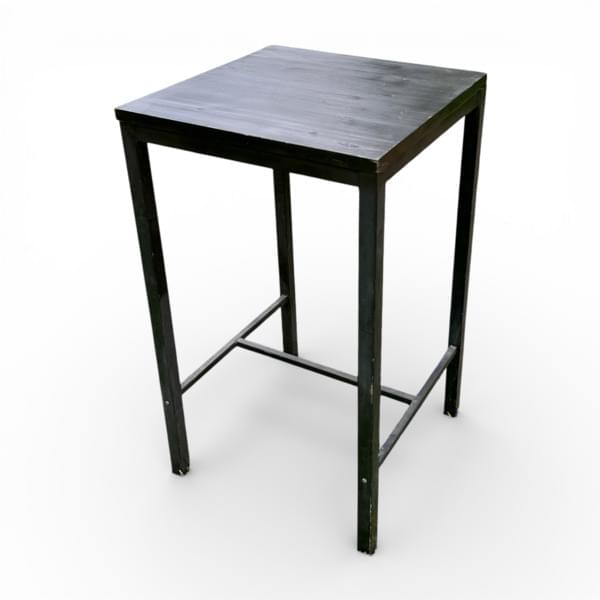
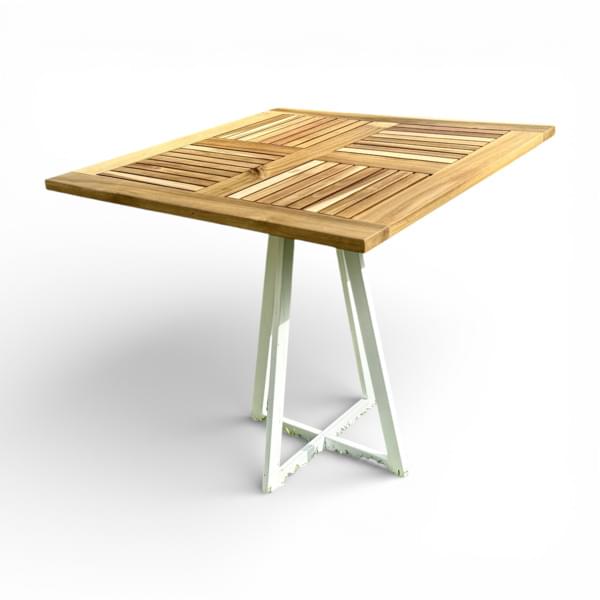
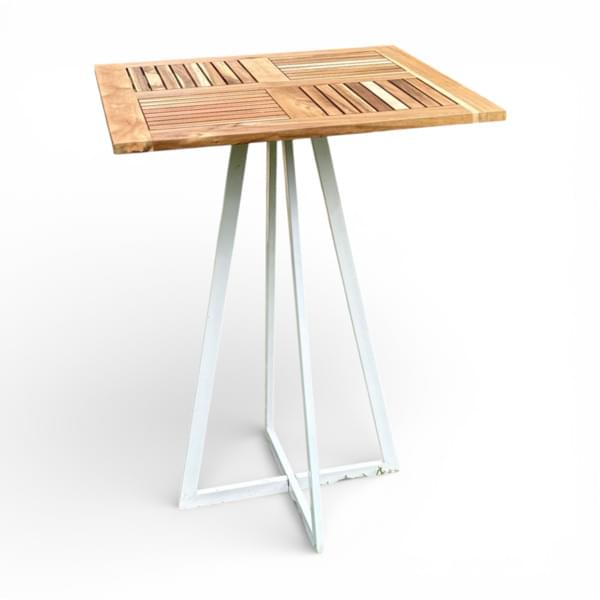
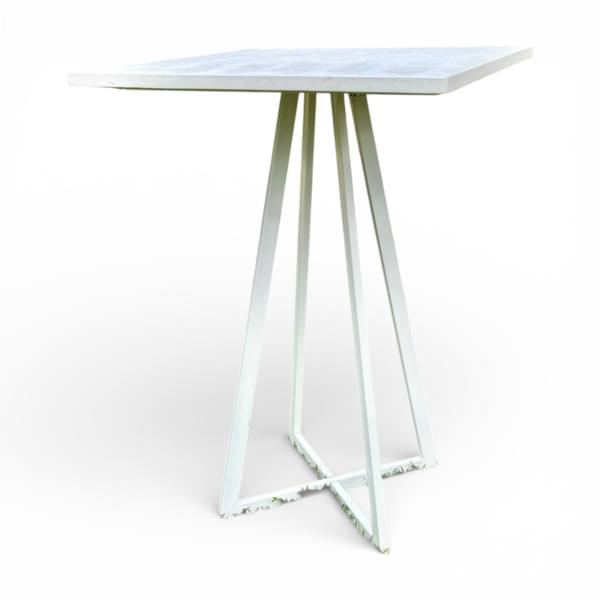
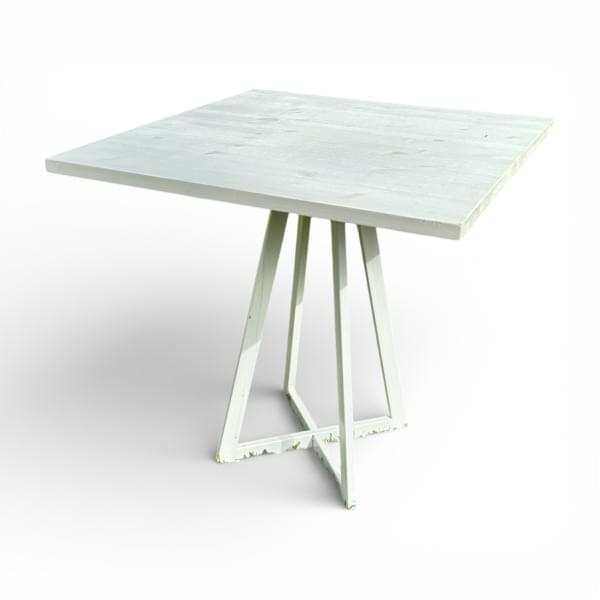
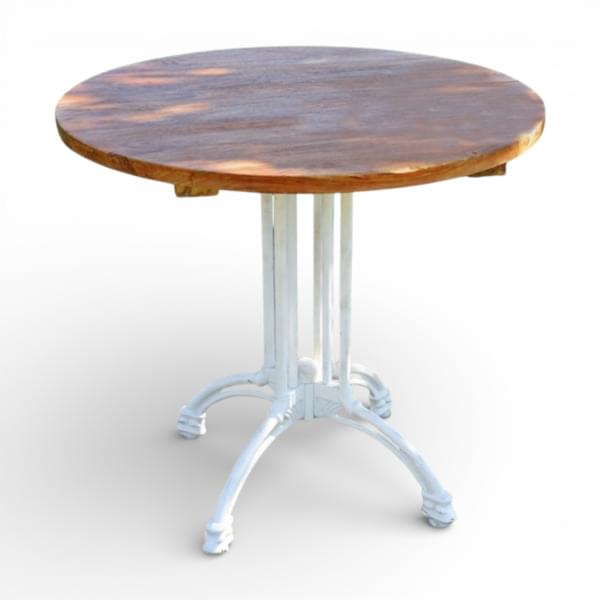
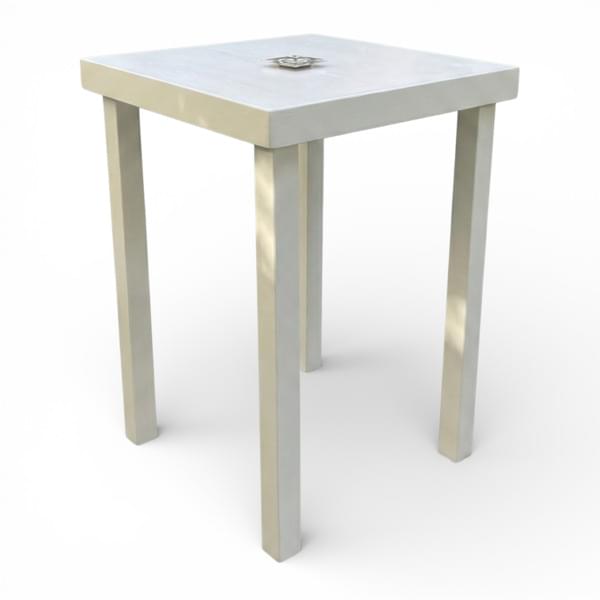
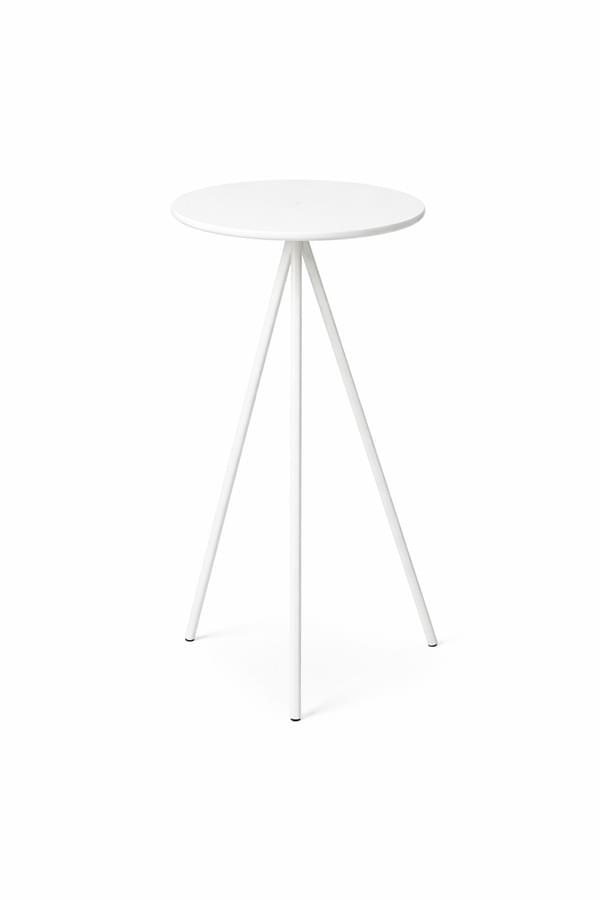
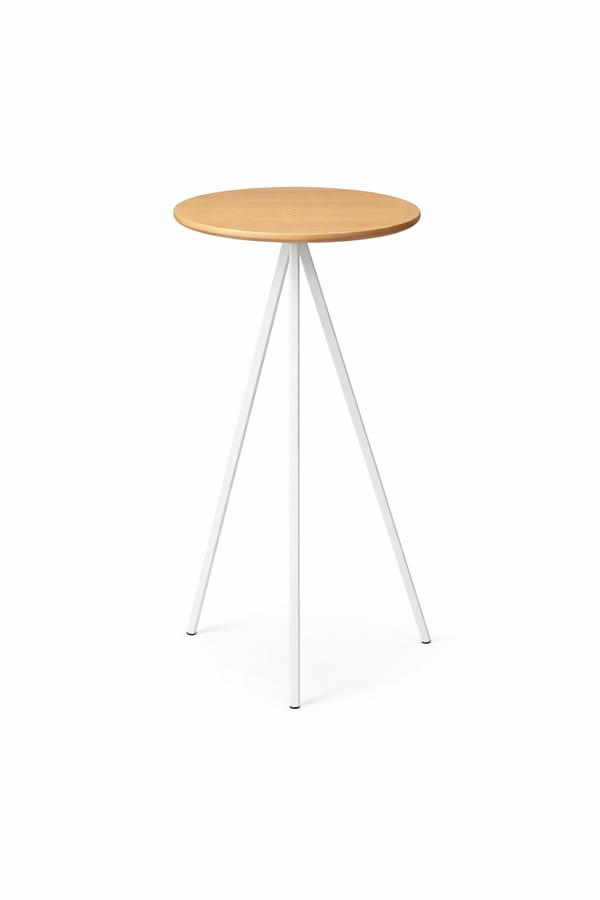
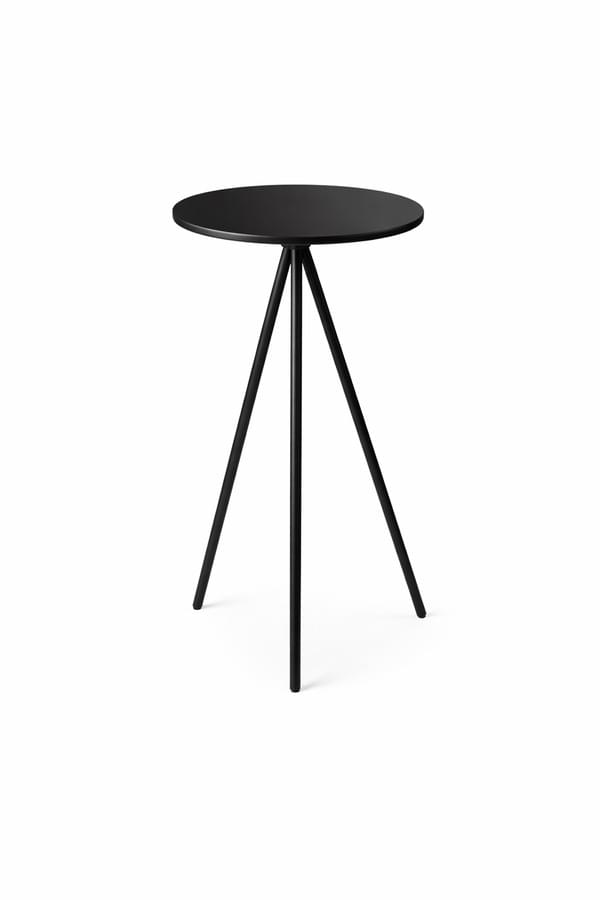
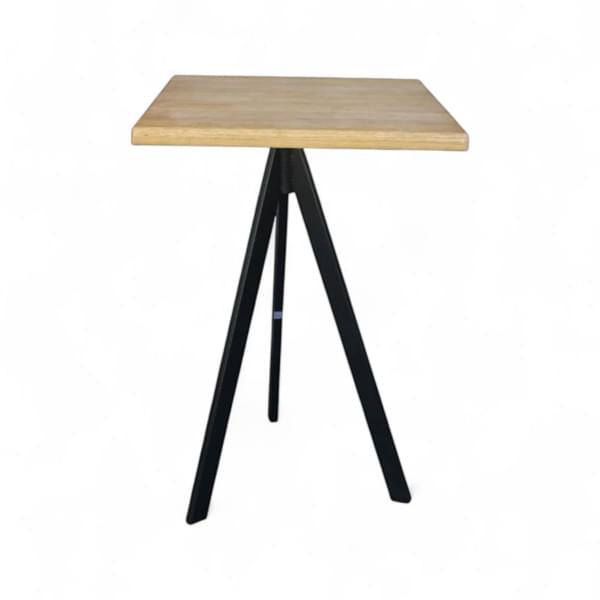
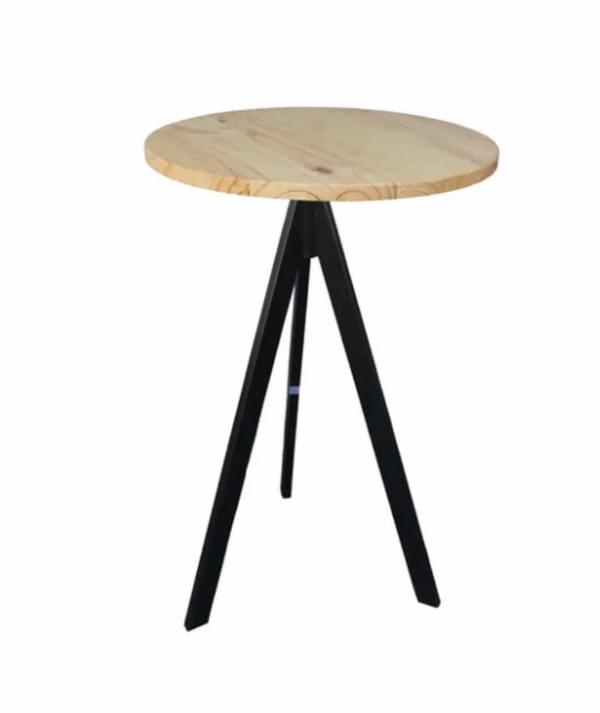
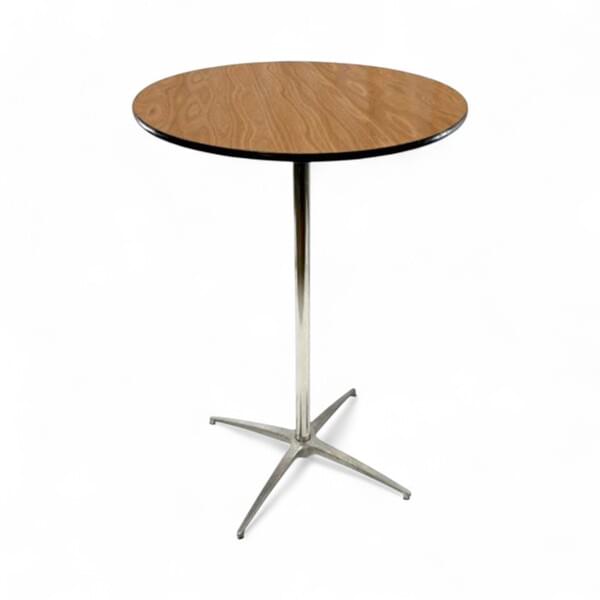
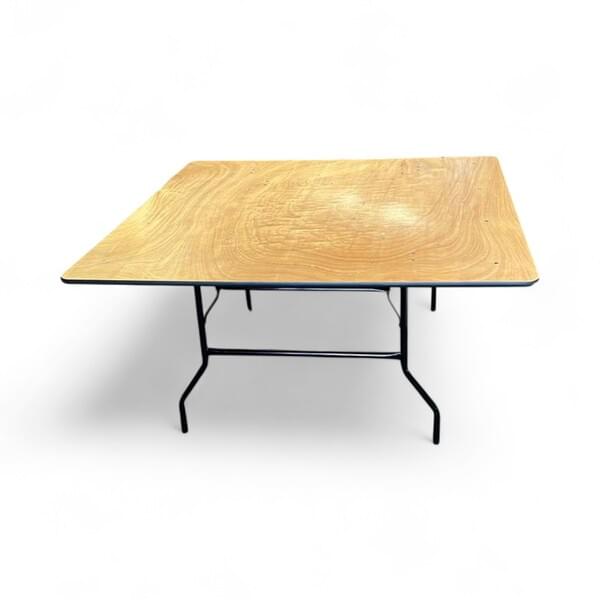
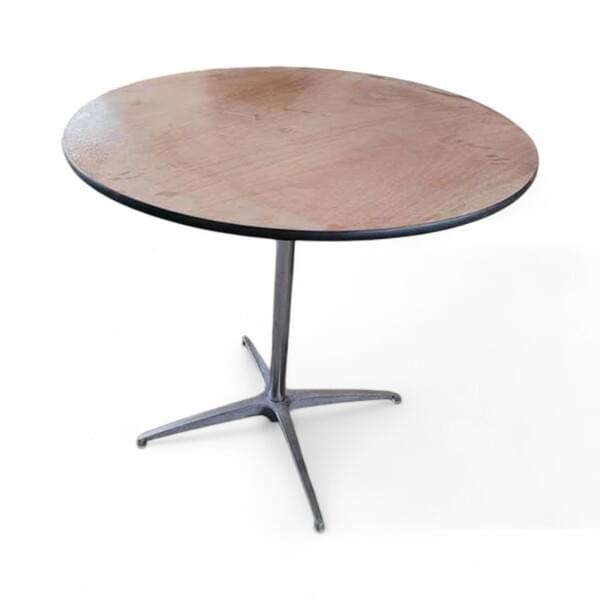
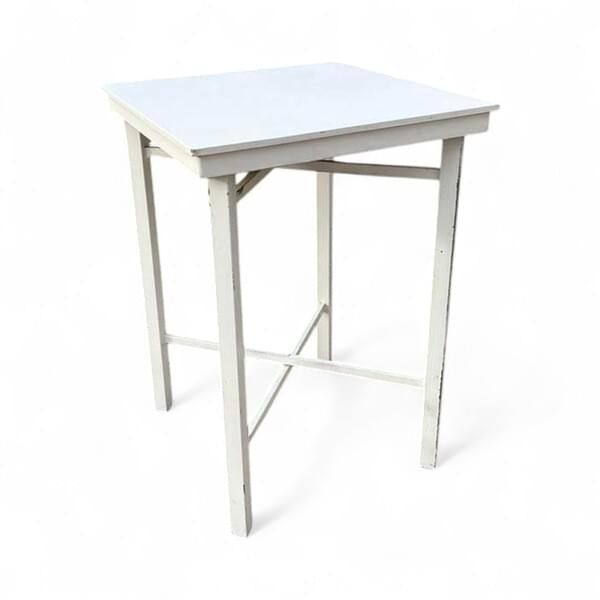
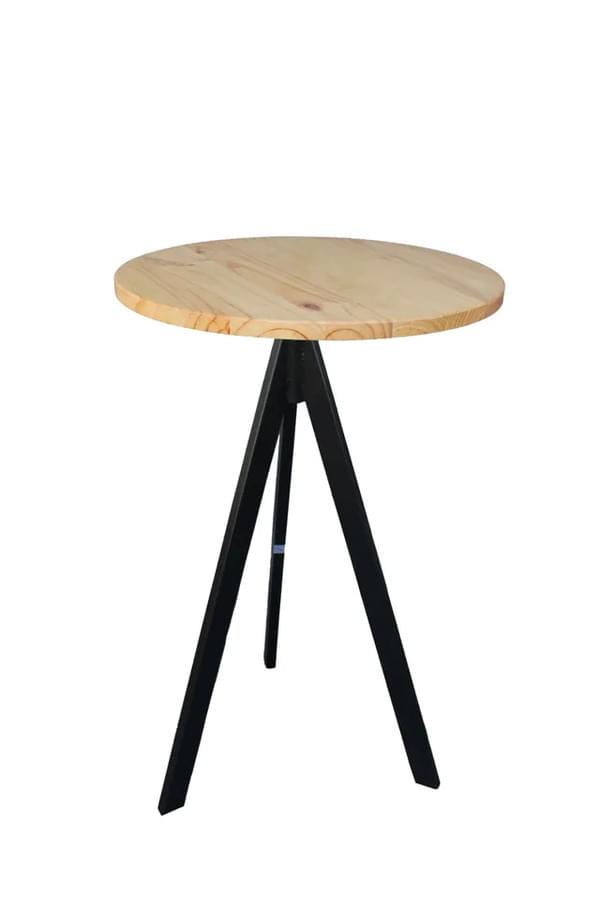
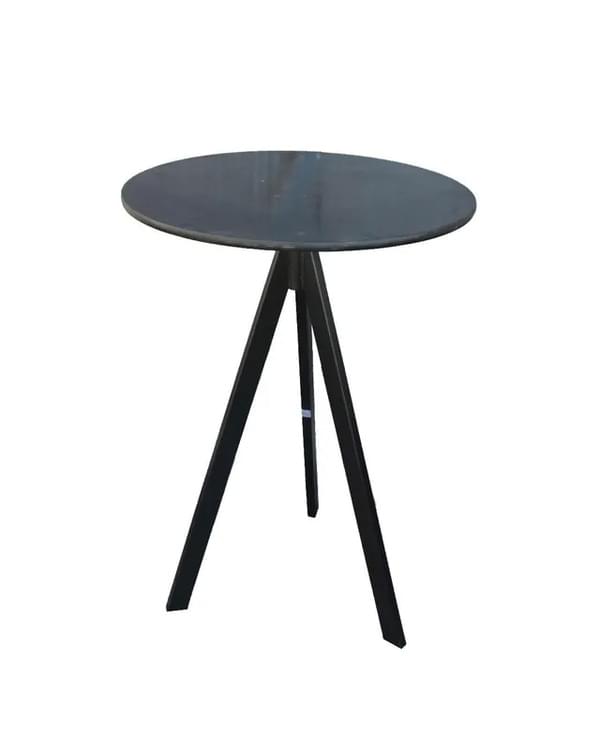
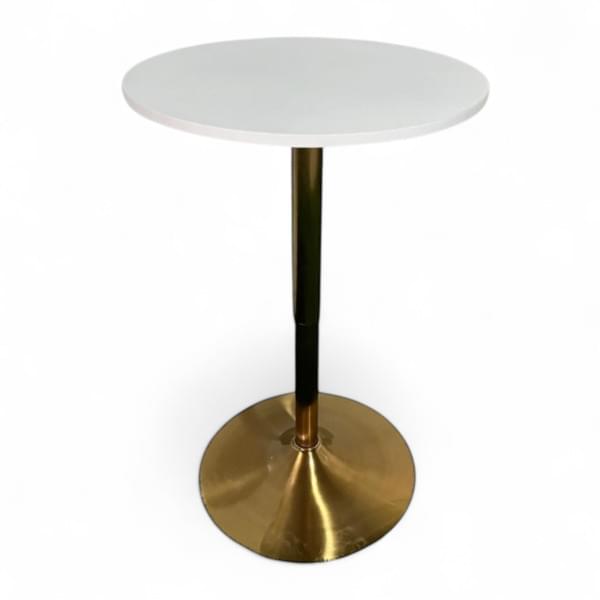
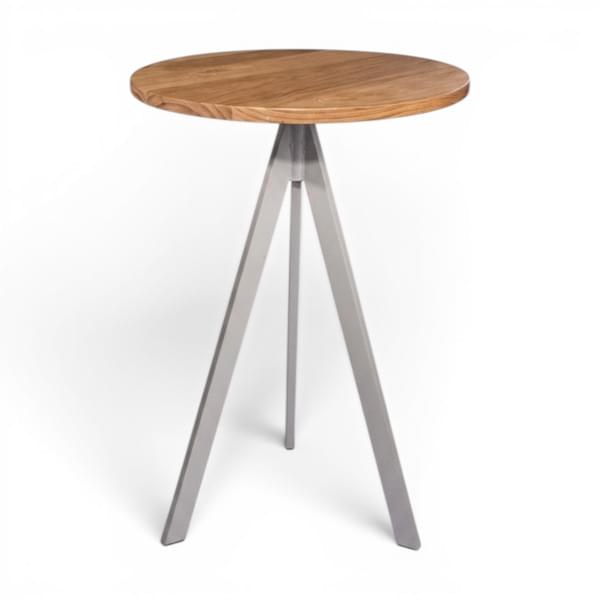
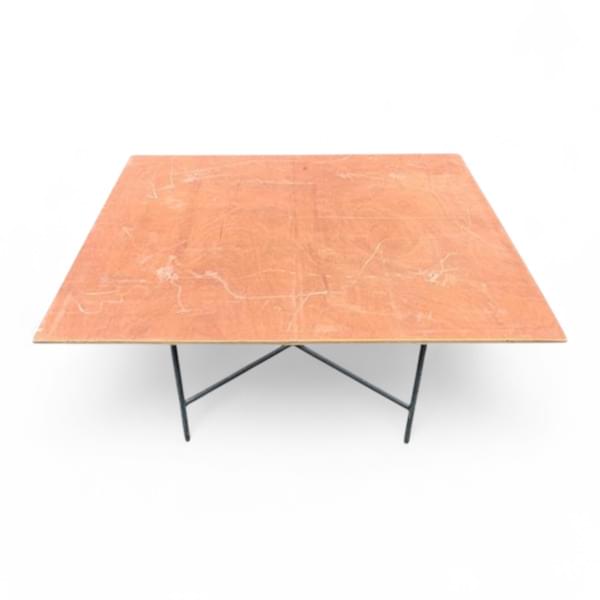
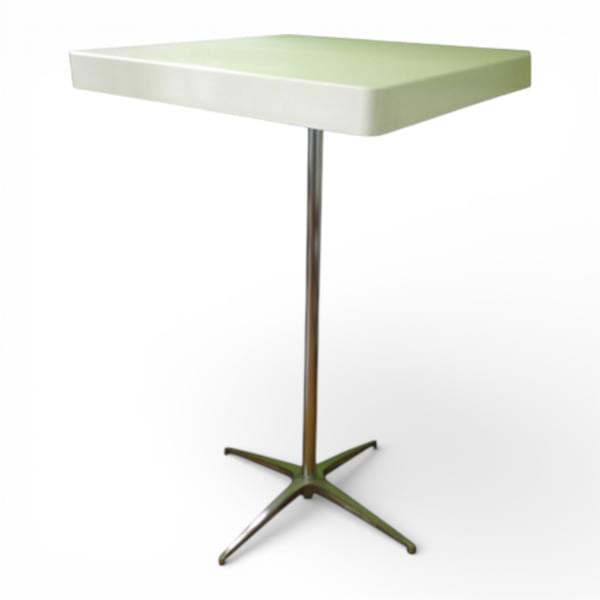
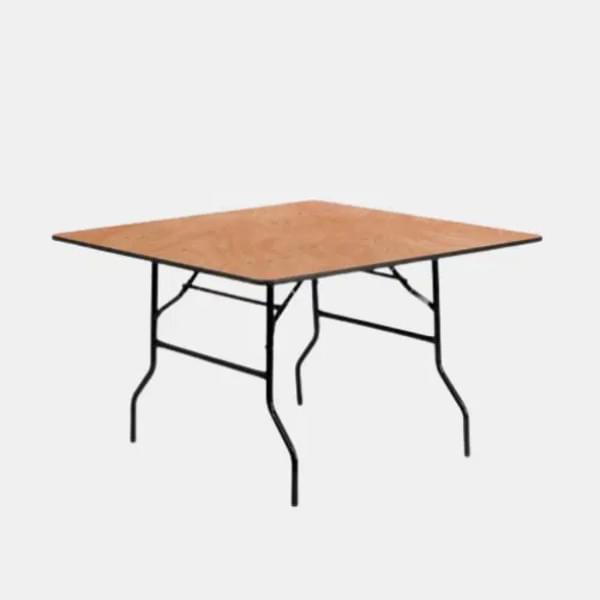
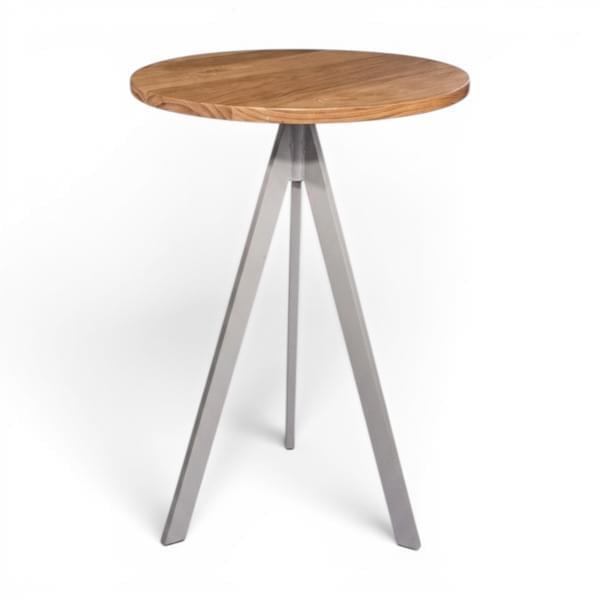
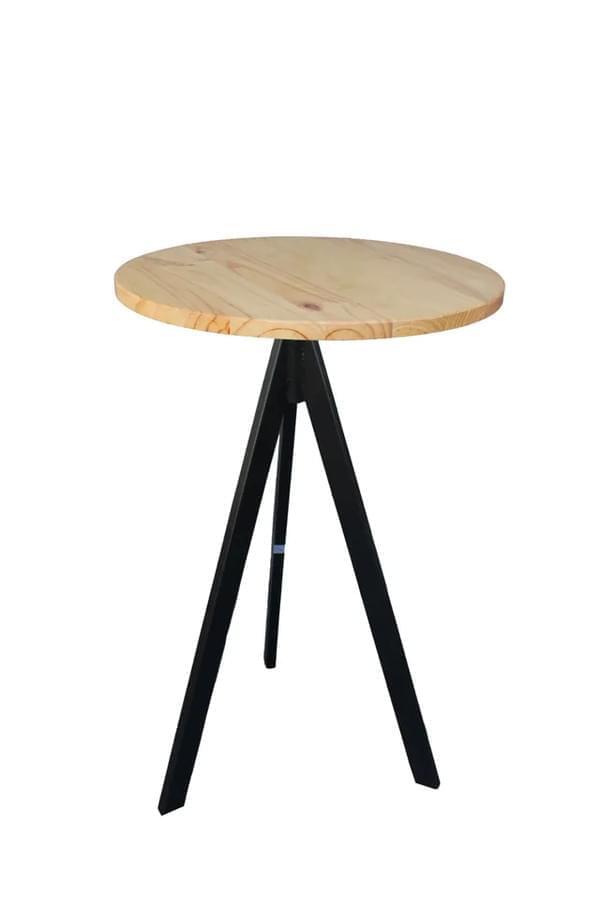
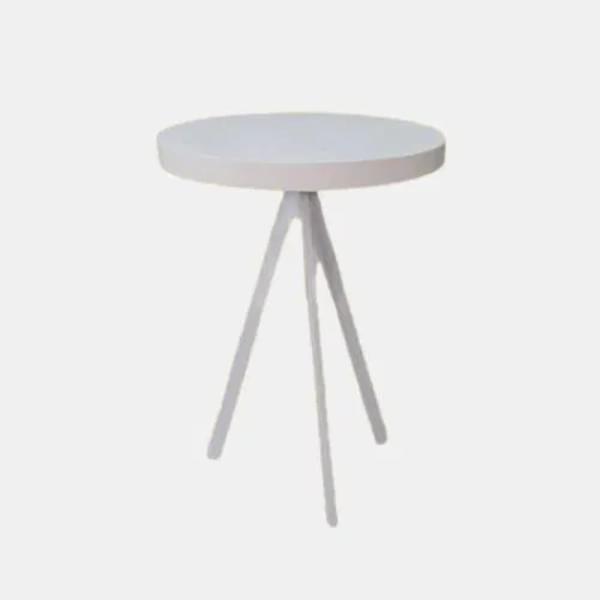
Bar / cocktail tables — ₪30 to ₪100 per table. Standing-height tables (~105 cm) for cocktail hours and reception areas. Round tops (60–80 cm diameter) or square (75×75 cm). Basic metal-frame models start at ₪30; premium wood or designed versions reach ₪100.
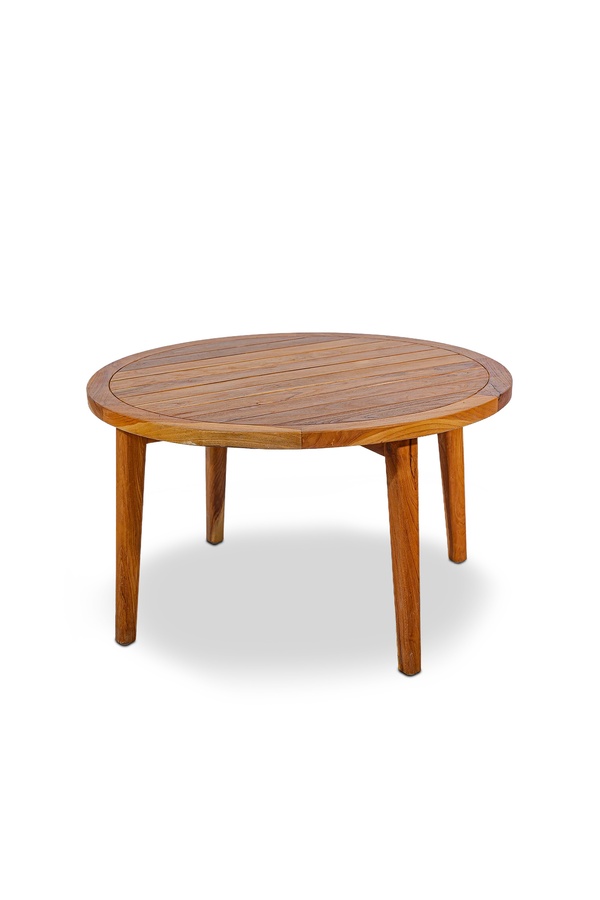
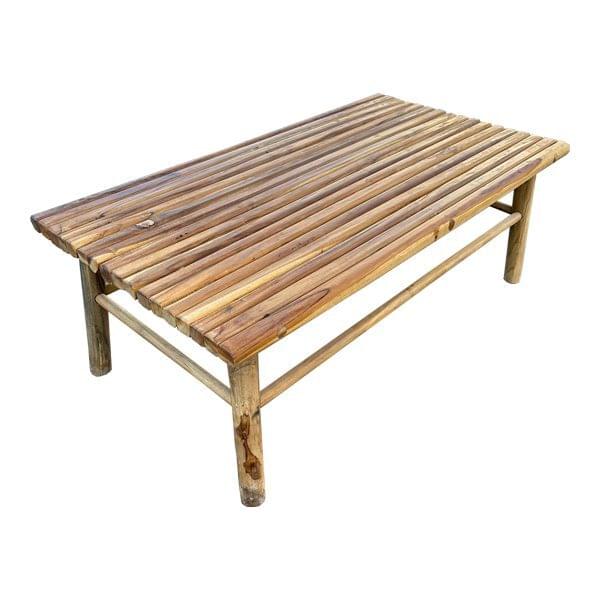
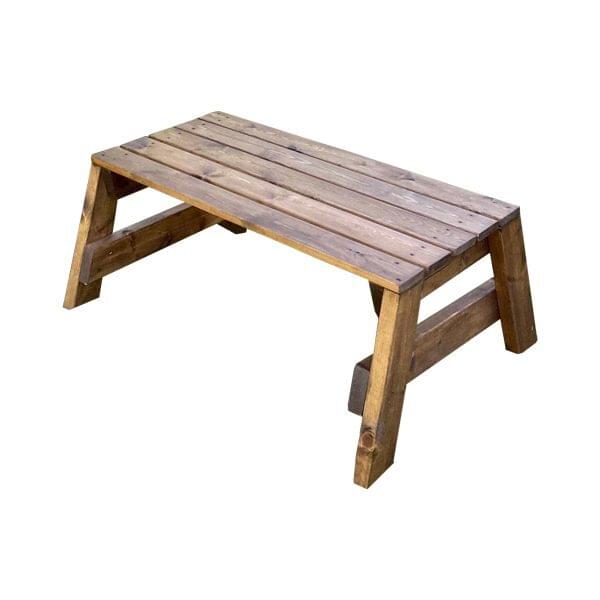
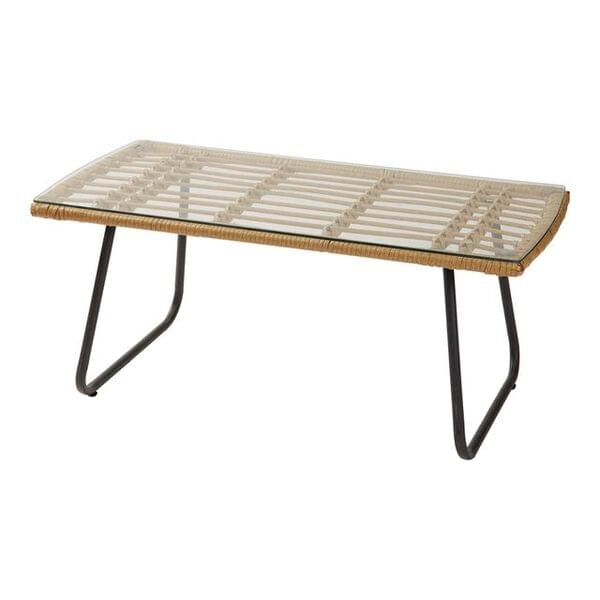
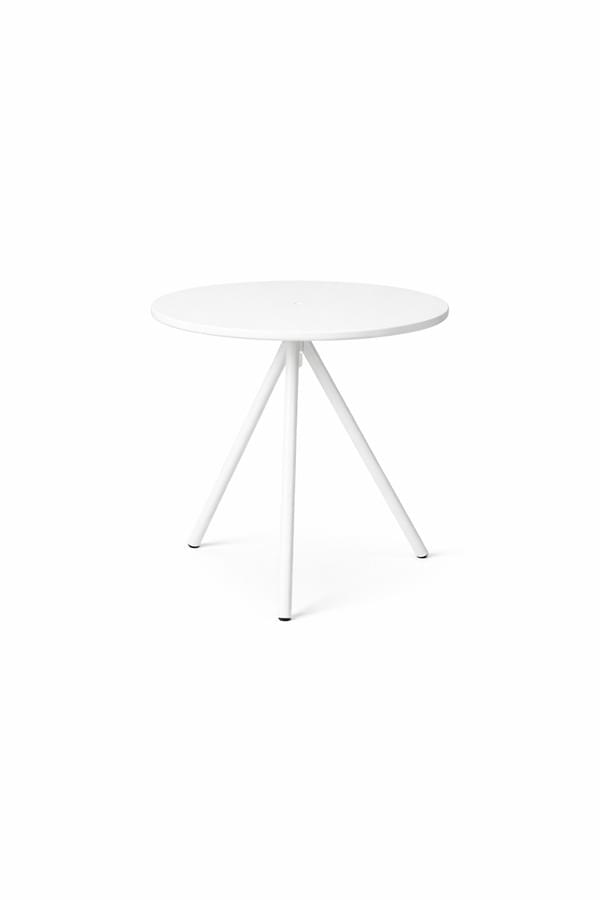
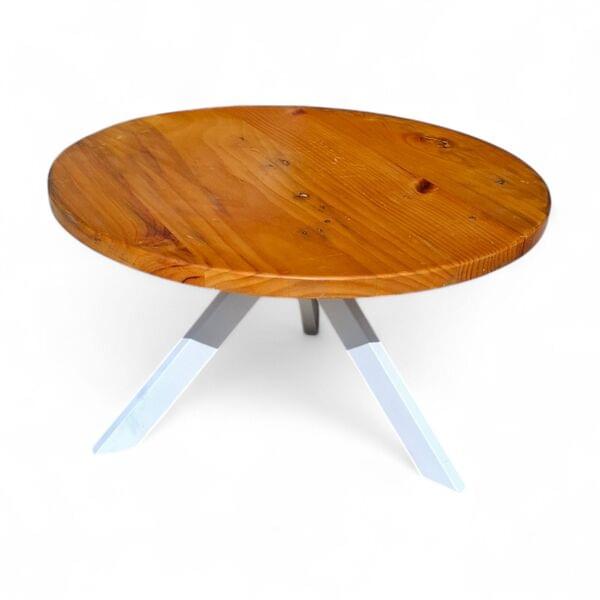
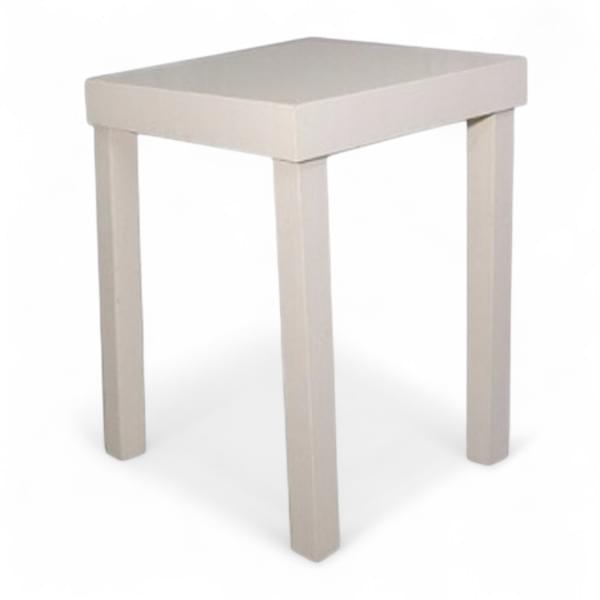
Coffee / low tables — ₪30 to ₪60 per table. For lounge zones and chill-out areas. Available in round, square, and rectangular shapes with various leg styles. Creates a relaxed, Mediterranean vibe popular at Israeli garden events.
Butcher block tables (modular) — from ₪140 per unit. Modular boards that can be assembled into tables of any size and configuration. Maximum creative flexibility for custom layouts. Higher price point but unique visual impact.
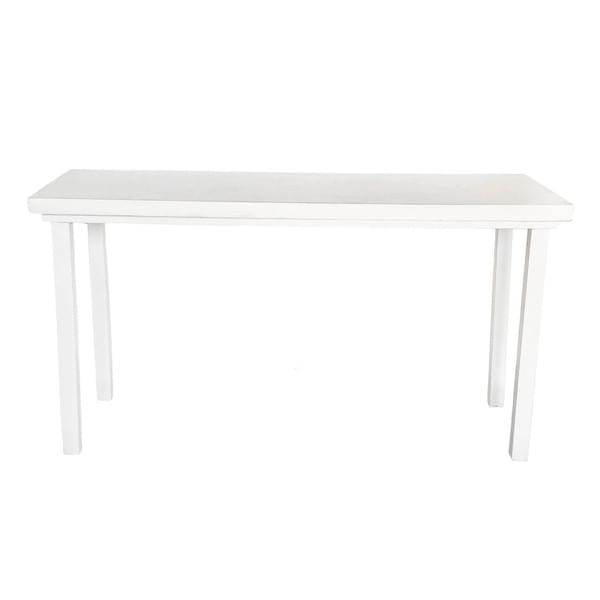
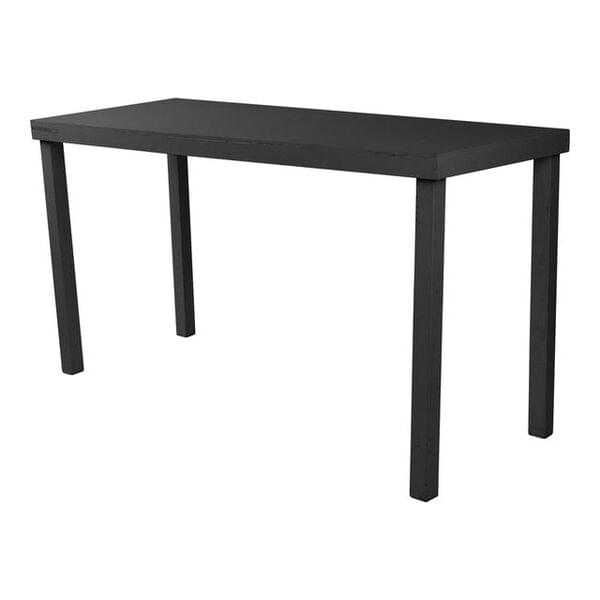
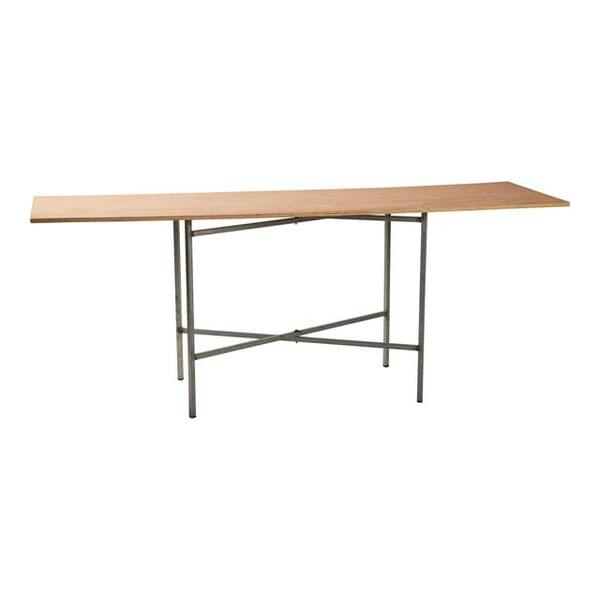
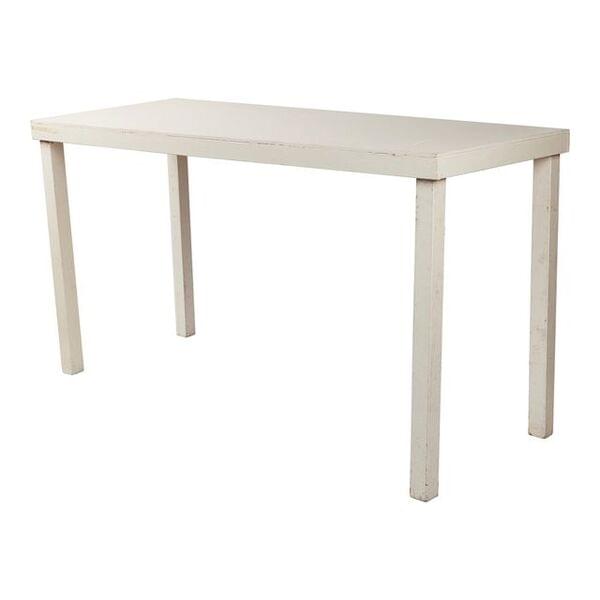
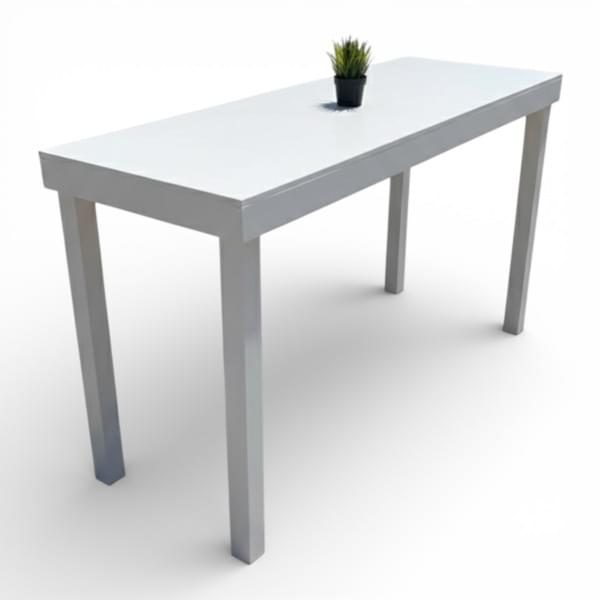
Buffet tables (~330×56 cm) — ₪40 to ₪70 per table. Longer, narrower tables designed for food display stations, dessert bars, and gift tables. Essential for the elaborate food presentations common at Israeli celebrations.
Monks' tables (220×100 cm) — ₪80 to ₪120 per table. Solid wood tables with a rustic aesthetic, similar to knights' tables but with a different leg style. Available in light and dark wood finishes.
Pro tip: many suppliers on Rentlyz offer package pricing when you bundle tables with chairs, linens, or tent rentals — potentially offering a discount compared to renting items separately — savings vary by supplier. Larger orders also drive per-unit prices down significantly. When ordering from multiple suppliers, keep in mind that each has its own delivery, setup, and teardown costs. Delivery prices shown on Rentlyz are estimates — the supplier confirms the final delivery price based on the specific order and venue details.
Table Sizes and Guest Capacity
Choosing the right table size is critical — too small and guests feel cramped, too large and your venue looks empty. Use these Israeli-market standard sizes and capacity guidelines to plan your layout.
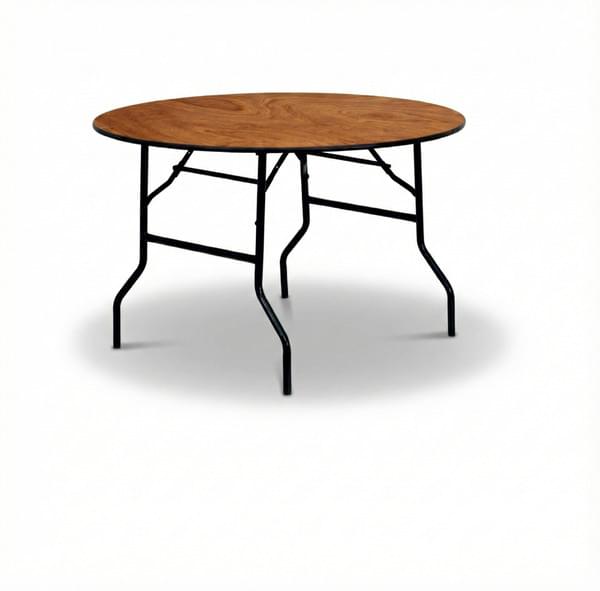
Round tables are measured by diameter. A 120 cm round table comfortably seats 6–7 guests. A 160 cm round (the most common at Israeli weddings) seats 8–10 guests. A 180 cm round seats 10–12 guests and is ideal for spacious venues where you want fewer, larger tables.
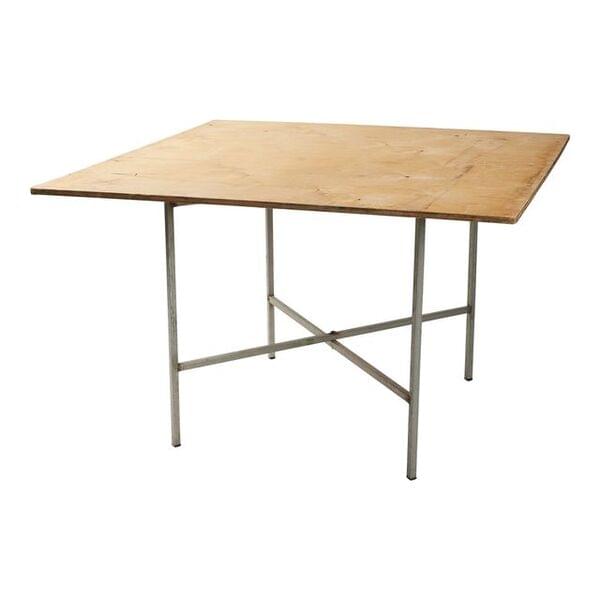
Rectangular tables vary by length and width. Standard plastic folding tables (180×75 cm) seat 6–8 guests — three per long side plus one at each end. Knights' tables (240×100 cm) seat 12–14 guests comfortably. Two knights' tables joined end-to-end create a 360 cm surface seating 18–20 guests.
Allow 60–75 cm of table edge per guest for comfortable dining. For formal events with multiple courses, lean toward 75 cm. Leave at least 1.5 meters between tables for guest movement and server access — more in venues with wheelchair accessibility requirements.
Quantity formulas by guest count (using 160 cm round tables at 10 guests each): 100 guests = 10 tables. 200 guests = 20 tables. 300 guests = 30 tables. The average Israeli wedding hosts 200–350 guests, so plan for 20–35 dining tables as a baseline.
Beyond dining tables, budget for special-purpose tables: one head table or sweetheart table for the couple, 1–2 gift and card tables, 1–3 buffet or food station tables, and cocktail tables for the reception area (one per 10 standing guests). A kids' corner may need 2–3 smaller tables.
Always add a 5–10% buffer to your table count for last-minute guest additions and layout adjustments. It's easier to remove an extra table on setup day than to scramble for one you don't have.
Seasonal Booking Tips for Israel
The Israeli event calendar follows a distinct rhythm shaped by climate, holidays, and the Jewish calendar — and this directly affects table rental availability and pricing.
Peak season (May through October): wedding season and outdoor event season overlap heavily. Large items like knights' tables and round tables can sell out weeks in advance, especially in the central region around Tel Aviv, Herzliya, and the Sharon area. Outdoor venues — kibbutz gardens, beaches, nature settings — are booked solid during these months. Reserve tables three to six months ahead during peak season to lock in your preferred styles and quantities.
Off-peak savings (November through March): aside from a brief spike around Hanukkah and New Year's corporate events, winter months are the quietest period for Israeli rental companies. Many suppliers offer discounts on table rentals. If your event date is flexible, shifting to off-peak can free up budget for premium table styles like butcher block or designed sweetheart tables.
Jewish calendar gaps: weddings are traditionally not held during the Omer period (between Passover and Shavuot) or the Three Weeks (mid-summer mourning period). These gaps create intense demand spikes on the dates immediately before and after, making early booking critical.
Weekday vs. weekend: in Israel, Tuesday and Wednesday evenings are the most popular wedding nights. Thursday events are common too. Saturday night (Motzaei Shabbat) events require setup to begin only after Shabbat ends, which compresses the timeline — especially relevant for heavy items like tables that take longer to unload and position. Sunday through Tuesday delivery tends to offer the most scheduling flexibility and sometimes lower delivery fees.
Frequently Asked Questions About Tables Rentals
What types of tables can I rent for my event?
On Rentlyz you can rent round dining tables, rectangular folding tables, knights' (farm) tables, bar and cocktail tables, coffee and low tables, butcher block modular tables, buffet tables, monks' tables, and sweetheart tables. Round tables are the most popular for Israeli weddings and formal events. Knights' tables dominate the rustic and boho segment. Browse suppliers to see the full range of styles, sizes, and finishes available.
How many tables do I need for my event?
Divide your guest count by the number of seats per table. For 160 cm round tables (the Israeli wedding standard), that's 10 guests per table — so 200 guests need 20 tables, 300 guests need 30 tables. Add a head or sweetheart table, 1–2 gift tables, 1–3 buffet tables, and cocktail tables for the reception area. Always add a 5–10% buffer for last-minute RSVPs.
What size round table should I choose?
The 160 cm round table is the most common at Israeli events, seating 8–10 guests comfortably. Choose 180 cm rounds for spacious venues where you want fewer, larger tables (seats 10–12). The smaller 120 cm round works well for intimate settings seating 6–7 guests. Allow 60–75 cm of table edge per guest and at least 1.5 meters between tables.
How much does it cost to rent tables in Israel?
Prices range from ₪20 per table for basic plastic folding tables to ₪140+ for premium butcher block tables. Round dining tables (160 cm) cost ₪50–₪80, knights' tables run ₪75–₪100, bar tables range ₪30–₪100, and buffet tables cost ₪40–₪70. Delivery and setup fees start from ₪300, depending on the distance from the business. On Rentlyz you can compare exact pricing from multiple suppliers. When ordering from multiple suppliers, keep in mind that each has its own delivery, setup, and teardown costs. Delivery prices shown on Rentlyz are estimates — the supplier confirms the final delivery price based on the specific order and venue details. Actual setup, teardown, and carrying costs may vary depending on venue accessibility — stairs, elevators, and distance from the unloading point to the event area can all affect the final price.
Can I rent tables and chairs together as a package?
Yes. Many suppliers on Rentlyz offer bundled table-and-chair packages at a potentially discounted rate, potentially offering a discount compared to renting separately — savings vary by supplier. Some also bundle linens, tent rentals, and other event equipment. When comparing suppliers, check each supplier's page for package deals and volume discounts. When ordering from multiple suppliers, keep in mind that each has its own delivery, setup, and teardown costs.
What is a knights' table?
A knights' table (shulchan avarim in Hebrew) is a heavy, solid wood rectangular table measuring approximately 120×240 cm that seats 12–14 guests. It's become one of the most popular table styles at Israeli weddings, especially for rustic, boho, and farm-style themes. Two knights' tables can be joined end-to-end to create a 360 cm surface seating 18–20 guests. Available in light wood, dark wood, and white-washed finishes.
How far in advance should I book table rentals?
During peak season (May through October), book three to six months ahead — popular styles like round tables and knights' tables sell out fast, especially in the Tel Aviv metro area. For off-peak events (November through March), four to eight weeks is usually enough. Many suppliers offer discounts during winter months. Check real-time availability on Rentlyz to secure your preferred style and quantity.
Do table rental suppliers offer setup and teardown?
Most suppliers on Rentlyz offer full-service packages that include delivery, setup, leveling, and post-event teardown. This is especially important for heavy items like knights' tables and large round tables. You can compare these services and their costs directly on each supplier's page. Setup typically includes placing tables according to your floor plan and ensuring they are level and stable. Delivery prices shown on Rentlyz are estimates — the supplier confirms the final delivery price based on the specific order and venue details. Actual setup, teardown, and carrying costs may vary depending on venue accessibility — stairs, elevators, and distance from the unloading point to the event area can all affect the final price.
Can I rent tables for an outdoor event?
Yes. Plastic folding tables, knights' tables, and round tables all work well outdoors. For events on grass, sand, or uneven terrain — common at beach weddings in Herzliya or Caesarea, or garden venues in the Sharon region — table leveling is essential. Ask your supplier about adjustable feet or leveling shims. Heritage venues in Jerusalem, Jaffa, and Akko may restrict table types to protect stone floors.
What happens if a rented table gets damaged?
All rented items are expected to be returned in good condition. The supplier inspects the equipment upon return and determines whether any damage requires additional payment. Charges depend on the type and extent of the damage — from minor repairs to full replacement if an item is returned in unusable condition or not returned at all. Each supplier sets their own damage terms, so review the policy on their Rentlyz page before booking.
From intimate dinners to large-scale celebrations, Rentlyz is the easiest way to find and compare table rentals in Israel. With verified suppliers, hundreds of table options, and real-time availability, you can plan your event layout in minutes instead of days. Browse by style, compare pricing side by side, and request quotes — all without the hassle of calling around. Ready to find the perfect tables for your event? Start browsing above.
Company
About us
Terms and conditions
Privacy policy
Resources
Businesses
Item catalog
Packages
Rent event equipment
Chairs
Tables
Silverware
Counters
Plates
Light
Israel
English
© 2026 Rentlyz, Ltd.